
Many of us spend a significant portion of our day sitting at a desk, which can contribute to a sedentary lifestyle. This lack of movement is often linked to various health concerns, including weight gain and a slower metabolism. The good news is that you don’t have to accept this as an unavoidable part of your workday. There are numerous simple yet effective ways to introduce more physical activity into your routine without ever leaving your workspace.

Integrating small bursts of movement throughout your day can make a substantial difference in your overall well-being and calorie expenditure. By making conscious choices to move more, you can counteract the negative effects of prolonged sitting, boost your energy levels, and support your fitness goals. This guide on how to burn calories at your desk will walk you through practical, step-by-step strategies to turn your desk into a subtle hub of activity, helping you burn more calories and feel better.
8 Simple Step-by-step Guidelines on How to Burn Calories at Your Desk:
Step 1: Optimize Your Workspace for Movement
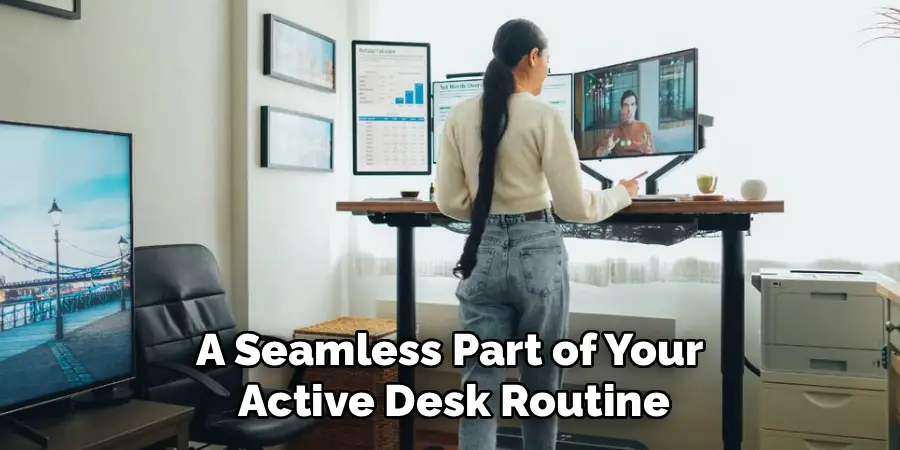
The first step toward a more active workday is to set up your environment for success. Consider investing in a standing desk or a standing desk converter, which allows you to easily switch between sitting and standing. Standing naturally engages more muscles than sitting, including your legs, core, and back, which in turn burns more calories. Aim to stand for at least 30 minutes every hour. If you’re new to standing desks, ease into it by starting with shorter periods and gradually increasing the duration as your body adapts. You can set a timer to remind yourself when it’s time to stand up.
Beyond a standing desk, think about the placement of your office essentials. Arrange items like your printer, scanner, or water bottle just far enough away that you have to get up and walk to reach them. This simple change forces you to take brief, frequent walking breaks throughout the day. It might seem minor, but these small trips add up, breaking the cycle of continuous sitting and contributing to your daily step count. The goal is to build movement into your natural workflow, making it an automatic habit rather than a chore.

Step 2: Incorporate Desk-Friendly Exercises
You don’t need a full gym to get a workout in; your desk chair and workspace offer plenty of opportunities for resistance and stretching exercises. You can perform simple movements like chair squats by standing up and sitting back down repeatedly without fully resting on the chair. Try this for 15-20 repetitions. Another great option is seated leg raises: while sitting, extend one leg straight out and hold for a few seconds before lowering it. Alternate between legs to strengthen your quadriceps and engage your core. Desk push-ups, performed by placing your hands on the edge of a sturdy desk and leaning in, are excellent for your chest and arms.
To make these exercises a consistent part of your routine, schedule them into your calendar just as you would a meeting. For instance, you could dedicate five minutes at the top of every hour to a specific exercise. Perform tricep dips using your chair, making sure it’s stable and won’t roll away. Sit on the edge of the chair, place your hands on either side of you, and slide your hips forward. Lower your body a few inches and then push back up. Combining these small activities can create a surprisingly effective mini-workout that keeps your muscles engaged and your metabolism active.
Step 3: Take Active Breaks
Regular breaks are crucial not only for your mental clarity but also for your physical health. Instead of using your break time to scroll through social media while sitting, make a conscious effort to move. Set a reminder to get up and walk around for at least five minutes every hour. You can use this time to walk to the breakroom, do a lap around the office floor, or simply march in place next to your desk. The key is to interrupt long periods of sitting and get your blood flowing.
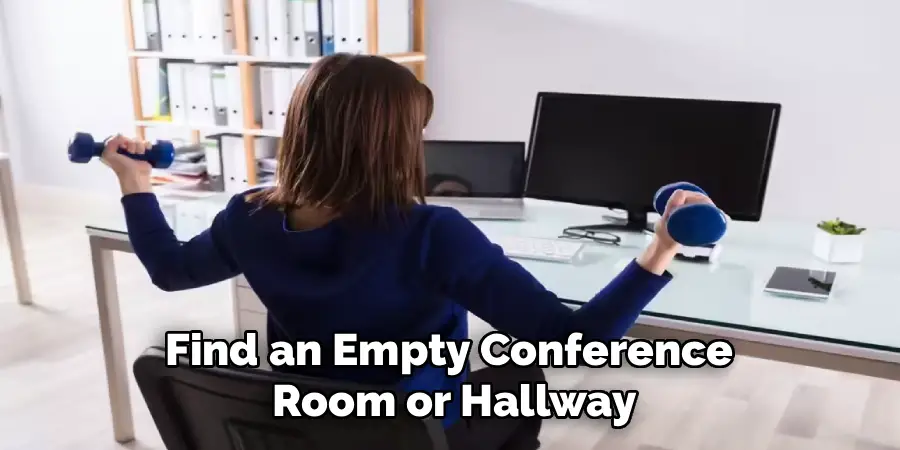
Use your longer lunch break as a prime opportunity for more significant physical activity. If possible, go for a brisk 15- to 20-minute walk outside. The fresh air and change of scenery can also do wonders for your focus and mood. If you’re unable to leave the building, find an empty conference room or hallway to walk up and down. Some office buildings have stairwells that are perfect for a quick, high-intensity workout. Even a few flights of stairs can elevate your heart rate and burn a surprising number of calories, making it an efficient use of your break time.
Step 4: Fidget with Purpose
While fidgeting is often seen as a sign of restlessness, it can actually be a beneficial way to burn extra calories, a concept known as Non-Exercise Activity Thermogenesis (NEAT). Instead of trying to sit perfectly still, allow yourself to fidget purposefully. Tap your feet, bounce your knee, or shift your position in your chair frequently. These small, almost subconscious movements keep your body in a state of low-level activity and can collectively burn a few hundred extra calories throughout the day compared to sitting completely motionless.
You can also use simple tools to encourage this type of movement. An under-desk elliptical or pedal exerciser allows you to discreetly cycle while you work, turning your desk into a mini-gym. Resistance bands can be used for gentle leg and arm exercises while you’re on a call or reading emails. Even something as simple as squeezing a stress ball can engage your hand and forearm muscles. The idea is to find subtle ways to keep your body moving that don’t distract from your tasks but prevent you from falling into a completely static state.
Step 5: Embrace the Power of Hydration
Staying hydrated is essential for overall health, but it can also be a clever tool for encouraging more movement. Make it a goal to drink plenty of water throughout the day. This not only keeps you hydrated, which is important for metabolism and energy levels, but it also necessitates more frequent trips to the restroom. Each walk to the water cooler to refill your bottle and each subsequent trip to the bathroom add to your daily step count and provide a natural, recurring reason to get up from your chair.
To maximize this strategy, use a smaller water bottle or glass instead of a large one. A 16-ounce bottle will require more frequent refills than a 32-ounce one, forcing you to get up more often. This simple trick turns a basic health habit into a seamless part of your active desk routine. Furthermore, proper hydration can help prevent feelings of fatigue and a drop in cognitive function, making you more productive. It’s a win-win situation that supports both your physical activity goals and your work performance.

Step 6: Master Seated Stretches
Stretching is not only great for flexibility and relieving muscle tension, but it also burns calories and keeps your body engaged. You can perform a wide variety of effective stretches right from your chair. For your neck, gently tilt your head from side to side, holding each stretch for 15-30 seconds to relieve tension. For your shoulders, perform shoulder rolls by lifting them up toward your ears, rolling them back, and then down. You can also do a torso twist by sitting tall and gently twisting your upper body to one side, using the armrest for a deeper stretch.
Incorporate stretches for your wrists and back as well, as these areas are prone to strain from typing and sitting. Extend your arms forward and rotate your wrists in circles, then gently flex and extend them. To stretch your back, sit at the edge of your chair and slowly bend forward, reaching your hands toward your feet. Another great stretch is the seated cat-cow: place your hands on your knees, and as you inhale, arch your back and look up. As you exhale, round your spine and drop your chin to your chest. Performing these stretches throughout the day will prevent stiffness and keep your muscles pliable.
Step 7: Conduct Walking or Standing Meetings
Rethink the way you conduct meetings. Not every discussion needs to happen in a boardroom or over a video call while seated. If you have a one-on-one meeting or a small group discussion, suggest a “walking meeting.” Walking can stimulate creativity and lead to more dynamic conversations, all while you get your steps in. If a walking meeting isn’t practical, propose a standing meeting instead. Standing meetings tend to be shorter and more focused, as people are less likely to get comfortable and let the discussion drag on.
For phone calls or virtual meetings where you don’t need to be on camera, use them as an opportunity to move. Put on a headset and pace around your office or home workspace while you talk. This is an easy way to accumulate thousands of steps without dedicating extra time to exercise. By changing the default format of your meetings from sitting to moving, you can seamlessly integrate significant amounts of physical activity into your work schedule. This cultural shift can also inspire your colleagues to adopt more active habits.
Step 8: Focus on Your Posture
Maintaining good posture is a form of active engagement for your muscles. When you slouch, you disengage your core and back muscles, putting strain on your spine. By sitting or standing up straight, you actively use your core muscles to support your upper body. To find the right posture, sit with your back straight, shoulders relaxed and back, and your feet flat on the floor. Imagine a string pulling the crown of your head up toward the ceiling. This alignment requires constant, subtle muscle contraction, which burns more calories than slouching.
To help maintain good posture, consider using an ergonomic chair or adding a lumbar support cushion to your existing chair. You can also try sitting on an exercise ball for short periods. The instability of the ball forces your core muscles to work harder to keep you balanced, providing a low-intensity workout while you sit. Regularly check in with your posture throughout the day and correct it as needed. Over time, maintaining good posture will become second nature, strengthening your core and contributing to your daily calorie burn.
Following these steps on how to burn calories at your desk can also help improve your overall health and well-being. In addition to burning calories, sitting with good posture can reduce back pain and discomfort, increase energy levels, and improve concentration and productivity.
Frequently Asked Questions
Q1: How Can I Stay Consistent With These Activities?
A1: Consistency is built through habits. Start small by picking just one or two activities, such as taking a five-minute walk every hour or standing for part of your day. Use calendar reminders or phone alarms to prompt you. Once these actions become second nature, gradually add more. Pairing a new habit with an existing one, like doing chair squats right after you hang up from a call, can also make it easier to remember. Sharing your goals with a coworker can create a sense of accountability and make the process more enjoyable.

Q2: Will These Small Activities Really Make a Difference?
A2: Absolutely. While one set of desk push-ups won’t transform your physique overnight, the cumulative effect of these small activities is significant. This concept, known as NEAT (Non-Exercise Activity Thermogenesis), accounts for all the calories you burn from activities other than formal exercise. By consistently incorporating more movement into your workday, you can burn hundreds of extra calories each day, which adds up to a substantial amount over weeks and months. It also helps counteract the metabolic slowdown associated with a sedentary lifestyle.
Q3: Can I Do These Exercises if I Work in an Open Office?
A3: Yes, you can. Many of these exercises are discreet enough for an open-plan office. Seated leg raises, ankle rotations, and core engagement through good posture are virtually unnoticeable to others. For more visible activities like stretching or walking, you can use your designated break times. Most workplaces are becoming more aware of the importance of wellness and movement, so your colleagues are likely to be supportive. If you feel self-conscious, start with the most subtle movements and find a more private space, like a hallway or empty meeting room, for walking breaks.

Conclusion
Transforming your sedentary workday into an active one doesn’t require drastic changes or a major time commitment. By integrating these simple, step-by-step guidelines on how to burn calories at your desk into your daily routine, you can effectively burn more calories, improve your posture, and boost your energy levels right at your desk. From optimizing your workspace for movement to taking active breaks and performing discreet exercises, every small action contributes to a healthier, more active you.
Start today by choosing one or two tips to implement, and gradually build from there. The most important thing is to make movement a natural and consistent part of your day. Your body will thank you for it, and you may find that your productivity and overall well-being improve as well.
