
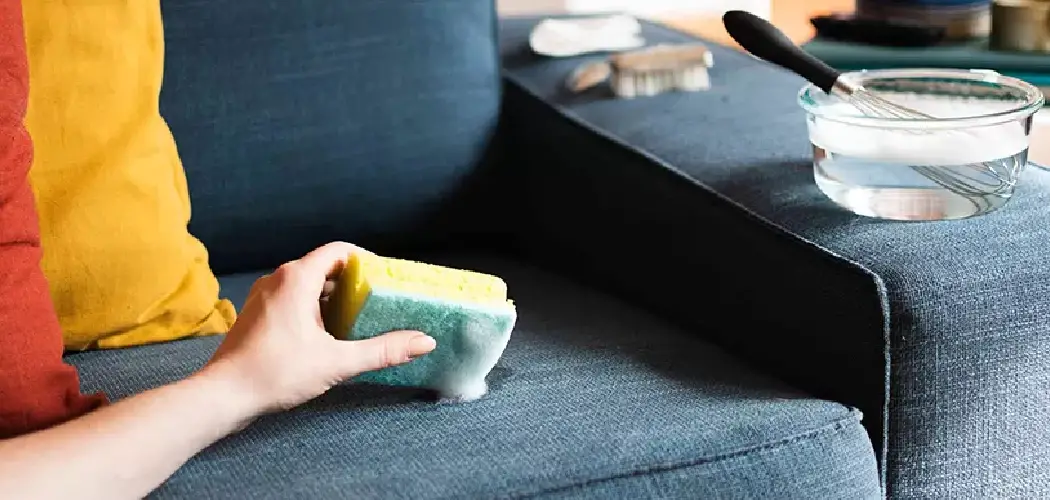
Are you tired of seeing stains and spills on your sofa? Do you avoid using a vacuum because it’s loud or you don’t have one available?
How to clean sofa with baking soda without vacuum can be achieved with the humble ingredient of baking soda. Baking soda is renowned for neutralizing odors and lifting stains, making it a versatile and natural cleaning solution. Whether your sofa has accumulated dust, stains, or smells from regular use, baking soda offers a safe, chemical-free alternative to refresh your furniture.
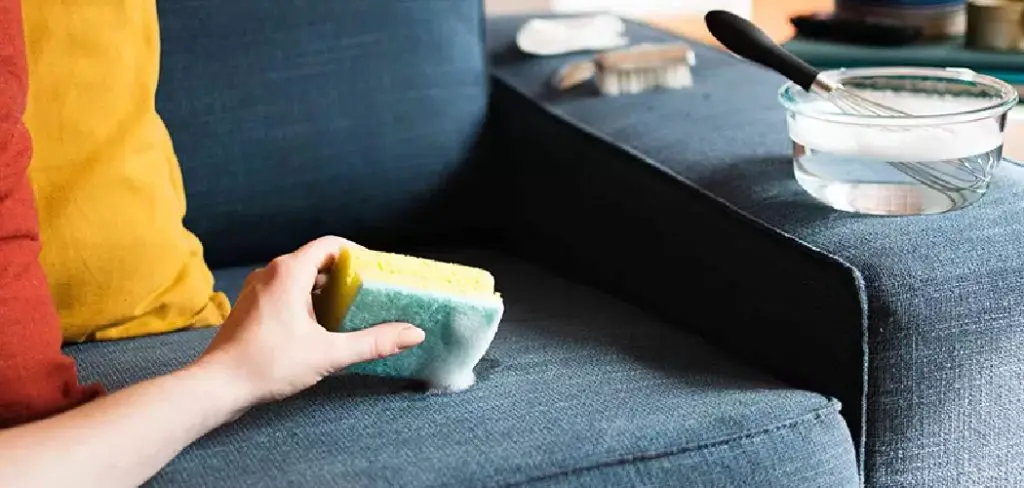
This guide will walk you through the simple steps to clean your sofa using baking soda, ensuring it remains vibrant and inviting without needing specialized equipment. Let’s get started!
What Will You Need?
Before diving into the cleaning process, gathering all the necessary materials is important. These include:
- Baking soda
- A spray bottle filled with water
- A clean cloth or sponge
- A soft-bristled brush (optional)
Once you have these items ready, you can begin cleaning your sofa!
10 Easy Steps on How to Clean Sofa With Baking Soda Without Vacuum
Step 1: Sprinkle Baking Soda on the Sofa
Begin by lightly sprinkling an even layer of baking soda over the entire surface of your sofa. Focus on areas that are heavily soiled or have noticeable odors, as these are likely to benefit most from the absorbent properties of baking soda. It’s essential to ensure a uniform application so that each part of the sofa gets the same level of treatment
You can use a sieve or simply your hand to distribute the baking soda evenly for this task. Allow the baking soda to sit on the sofa for at least 15-20 minutes, giving it ample time to absorb any odors and break down stains. If your sofa is mainly stained or smelly, consider leaving the baking soda on for an hour or more to maximize its effect. After waiting, you will move on to the next step, ready to transform your sofa.
Step 2: Rub the Baking Soda into the Fabric
Once the baking soda has had adequate time to sit, the next step is to rub it into the sofa fabric gently. Use a clean cloth or a soft-bristled brush to work the baking soda into the upholstery fibers carefully. This action will help it to lift any embedded dirt and stains.
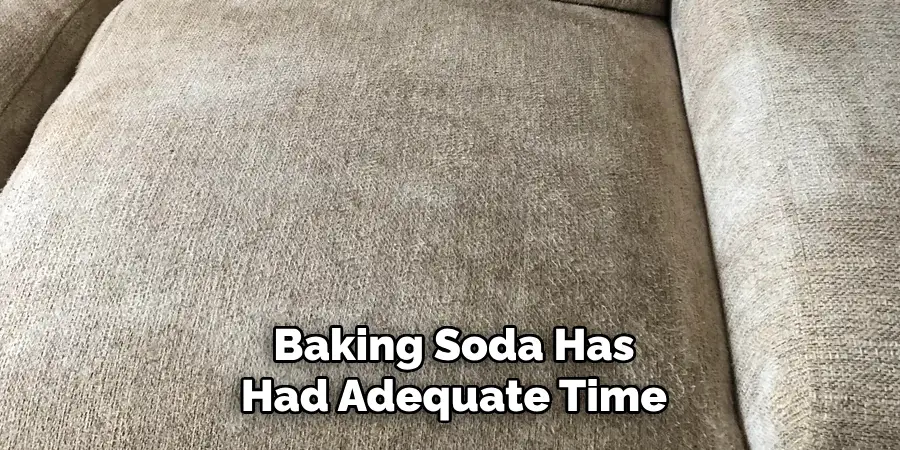
Be sure to use gentle, circular motions to avoid damaging the fabric while encouraging maximum absorption. Focus mainly on areas that see the most use or are heavily soiled. This process ensures that the baking soda penetrates deeper into the fabric, enhancing its cleaning effectiveness.
Step 3: Mist with Water
After thoroughly working the baking soda into the upholstery, the next step is to mist the surface with water lightly. Use a spray bottle to gently apply a fine mist to slightly dampen the baking soda without soaking the fabric. The water activates the baking soda, boosting its cleaning capabilities and helping to break down stubborn stains.
Be mindful not to over-wet the sofa, as excessive moisture can lead to drying difficulties and may harm the upholstery. Once you have misted the baking soda, allow it to sit again for another 10-15 minutes for optimal results.
Step 4: Blot the Sofa with a Clean Cloth
Once the baking soda has been activated and given time to work, it’s time to start removing it, along with any loosened dirt and stains. Take a clean cloth and gently blot the sofa, focusing on areas that have significant staining or odor. This blotting action will help lift the baking soda mixture and any impurities it has absorbed from the fabric.
Using a pressing motion rather than rubbing is essential, as rubbing might push stains more deeply into the material. Refresh the cloth or use a new one if it becomes overly saturated with moisture or debris, ensuring you continue to blot effectively across the entire sofa surface.
Step 5: Repeat the Process if Necessary
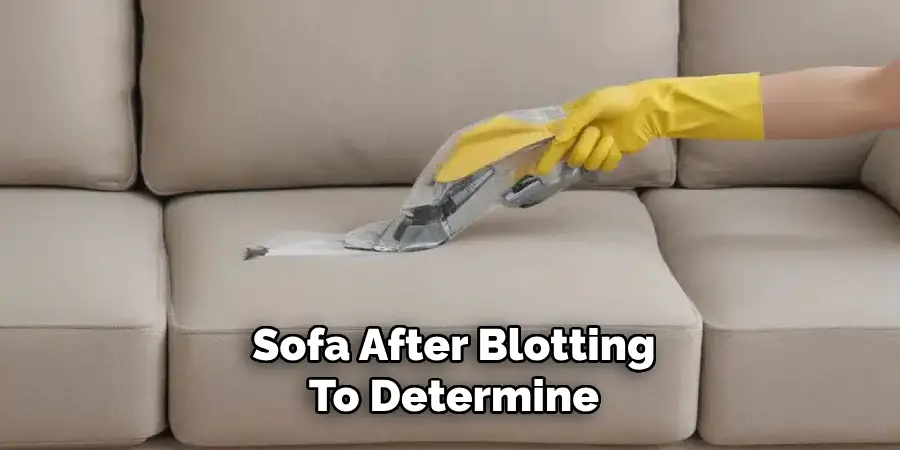
Examine the sofa after blotting to determine if any stubborn stains or persistent odors remain. If necessary, repeat the steps of sprinkling baking soda, misting with water, and blotting. Sometimes, more than one treatment is required to entirely refresh the fabric, especially if the sofa has been neglected or used heavily. Be patient as you assess the sofa, focusing on problem areas and ensuring each section receives the attention it needs. Consistency in your efforts will ensure the best possible results, leaving your sofa looking and smelling clean.
Step 6: Allow to Air Dry
After cleaning, it’s crucial to let the sofa air dry thoroughly. Ensure the room is well-ventilated by opening windows or using fans to promote quicker drying. This step is important to prevent any residual moisture from causing mildew or unpleasant odors.
Avoid sitting on the sofa or placing any objects on it until it is completely dry to avoid new stains or impressions from forming. Depending on the humidity and airflow in the room, drying may take several hours or even a whole day. Patience at this stage will yield a fresh and revitalized sofa, encouraging its longevity and maintaining its appearance.
Step 7: Brush Off Remaining Baking Soda Residue
Once the sofa is completely dry, it’s time to remove any remaining baking soda residue. Use a soft-bristled brush to gently sweep the surface, focusing on areas where the baking soda may have clumped or adhered to the fabric. This step ensures that your sofa is free from powdery remnants that could affect its appearance or feel. Be thorough but gentle to avoid damaging the upholstery.
If necessary, a vacuum with an upholstery attachment can also be used to assist in this step, ensuring all residue is effectively cleaned away. Completing this final cleaning stage will make your sofa look refreshed and ready for use.
Step 8: Inspect for Remaining Stains
After brushing off any residual baking soda, carefully inspect the sofa for any remaining stains or areas that require additional attention. Some stains may have been stubborn and not fully lifted with the initial cleaning. In such cases, spot-clean these areas using a gentle fabric cleaner or a mixture of water and mild detergent.

Apply the cleaner to a clean cloth and gently dab the stain, avoiding excessive moisture. Blot the area with a dry cloth to absorb any excess cleaning solution and moisture. Ensure that the fabric does not become overly saturated, and adjust your technique as needed to preserve the integrity of the upholstery.
Step 9: Fluff and Reposition Cushions
Once you have cleaned and inspected the sofa, take some time to fluff and reposition the cushions. This not only enhances the appearance of your sofa but also ensures that the cushions retain their shape and provide optimal comfort.
Start by gently patting and kneading each cushion to redistribute any filling that may have shifted during cleaning. Then, arrange the cushions back onto the sofa, aligning any patterns or seams. Fluffing and repositioning cushions also help evenly distribute wear and prolong your cushions’ life. This final touch will leave your sofa refreshed and inviting, ready for relaxation and enjoyment.
Step 10: Enjoy Your Refreshed Sofa
With your sofa now clean and beautifully restored, it’s time to enjoy the fruits of your labor. Invite family members or friends to experience your sofa’s renewed comfort and freshness. Take this opportunity to bask in the satisfaction of a job well done and relish in the cleanliness of your living space. Regularly maintaining your sofa with these steps will help prolong its life and ensure it remains a comfortable and pleasant centerpiece in your home.
By following these steps, you can effectively and easily clean your sofa using only baking soda and water.
5 Things You Should Avoid
1. Using Too Much Water: Avoid soaking your sofa with water while using baking soda. Excess moisture can seep into the cushions, leading to mold growth and unpleasant odors.
2. Scrubbing Too Harshly: Refrain from scrubbing the fabric aggressively. This can damage the material, causing fraying or discoloration, especially if the fabric is delicate.
3. Ignoring Spot Testing: Never skip a spot test before applying baking soda to the sofa. Testing a small, inconspicuous area helps ensure the fabric won’t react negatively, which could lead to permanent stains or damage.
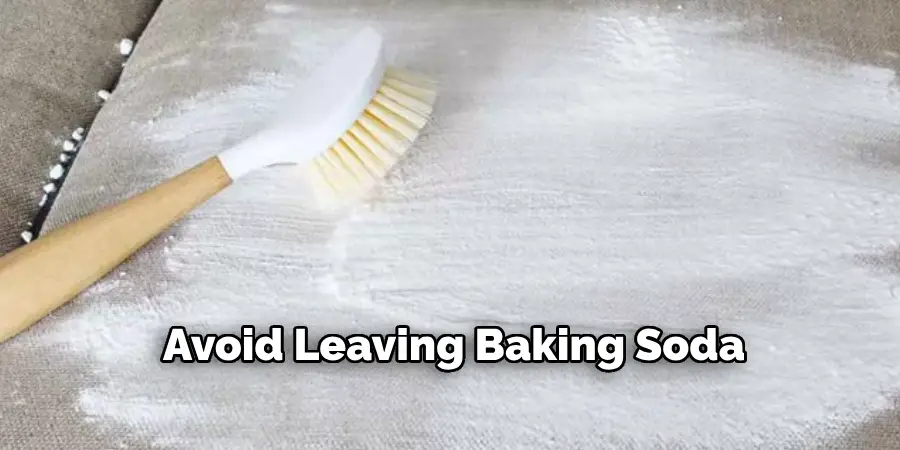
4. Leaving Baking Soda On For Too Long: Avoid leaving baking soda on the sofa for an extended period. While it can help absorb odors and dirt, leaving it on too long can make removing it difficult, leaving behind a white residue.
5. Overly Frequent Cleaning: Cleaning your sofa too frequently with baking soda can wear down the fabric over time. It’s crucial to balance maintaining cleanliness and preserving the material’s integrity.
Conclusion
How to clean sofa with baking soda without vacuum is an effective method for maintaining freshness and removing odors, provided you take the necessary precautions.
Begin by lightly sprinkling baking soda on the fabric, ensuring even coverage without excessive accumulation. Allow it to sit for 15 to 30 minutes to absorb unwanted smells or oils. To remove the baking soda, gently brush it away with a soft-bristled brush or cloth, careful not to damage the fabric. This method works best in moderation, as frequent or aggressive cleaning can compromise the material’s durability.
By following these steps, you can keep your sofa looking and smelling fresh without needing a vacuum cleaner.
you can also check it out Clean Leather Sofa With Baking Soda
