
An attic office can be a wonderful, private space to work, offering a quiet retreat away from the main hustle and bustle of the household. However, these top-floor rooms are notorious for becoming uncomfortably hot, especially during the warmer months. As heat rises, it gets trapped under the roof, turning your productive sanctuary into a sweltering sauna that makes it difficult to concentrate and stay comfortable.
Fortunately, you don’t have to abandon your attic workspace when the temperature climbs. With a combination of strategic improvements and simple adjustments, you can effectively combat the heat and maintain a cool, pleasant environment. This guide on how to cool an attic office room provides a comprehensive, step-by-step approach to transform your hot attic office into a year-round haven for productivity and comfort.
10 Step-by-step Guidelines on How to Cool an Attic Office Room
Step 1: Improve Your Insulation
Proper insulation is your first and most critical line of defense against attic heat. It acts as a thermal barrier, slowing the transfer of heat from your scorching hot roof into your office space. Without adequate insulation, any cooling efforts you make will be largely ineffective, as the room will constantly be reheating from the outside. Common materials like spray foam, batt and roll, and blown-in fiberglass or cellulose can make a significant difference in regulating the temperature.
When evaluating your current setup, check the R-value, which measures the material’s resistance to heat flow. Building codes in most regions recommend an R-value between R-38 and R-60 for attics. Upgrading your insulation not only keeps your office cooler in the summer but also helps retain heat during the winter, making your space more energy-efficient and comfortable all year. This investment pays for itself over time through lower energy bills.
Step 2: Install an Attic Fan for Ventilation
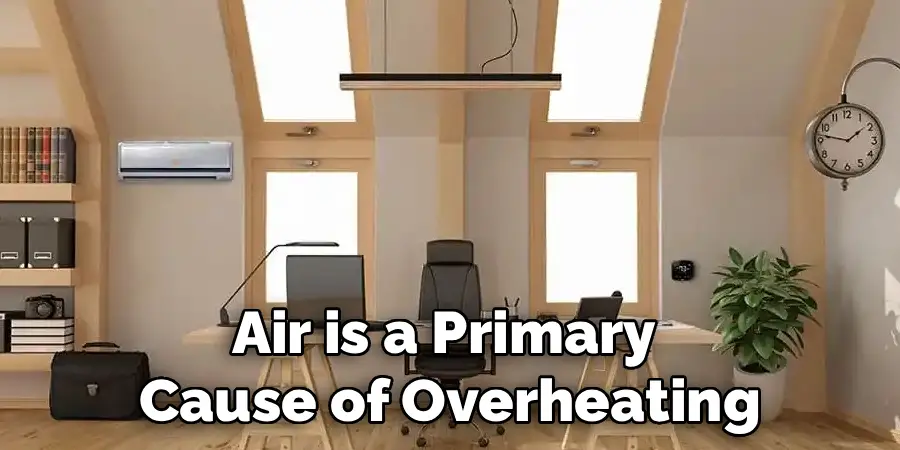
Trapped, stagnant air is a primary cause of overheating in an attic office. An attic fan, also known as an attic ventilator, actively addresses this issue by creating airflow. These fans work by pulling hot air out of the attic space and pushing it outside, while simultaneously drawing cooler, fresh air in from vents in the soffits or gables. This constant air exchange prevents heat from building up and keeps the overall temperature of the attic much lower.
There are several types of attic fans, including roof-mounted, gable-mounted, and solar-powered models. Solar-powered fans are an excellent, energy-efficient choice as they run entirely on sunlight, costing you nothing in electricity. Installing an attic fan with a thermostat is a great “set it and forget it” solution. The fan will automatically turn on when the attic temperature reaches a certain preset level, ensuring your office remains cool without any manual effort on your part.
Step 3: Use a Portable or Mini-Split Air Conditioner
Sometimes, passive cooling methods aren’t enough to combat intense summer heat, and you need the power of active air conditioning. A portable air conditioner is a versatile and relatively easy solution. These standalone units can be placed anywhere in the room and typically vent hot air through a hose connected to a window kit. They are effective for cooling a single room and can be moved or stored away when not needed.
For a more permanent and powerful solution, consider a ductless mini-split air conditioner. This system consists of an outdoor compressor and an indoor air-handling unit mounted on a wall. Mini-splits are incredibly energy-efficient, quiet, and provide excellent cooling capacity without requiring any ductwork, which is often impractical to install in a finished attic. While the initial investment is higher than a portable unit, a mini-split offers superior performance and long-term value for keeping your attic office consistently comfortable.
Step 4: Block Sunlight with Blackout Curtains or Blinds
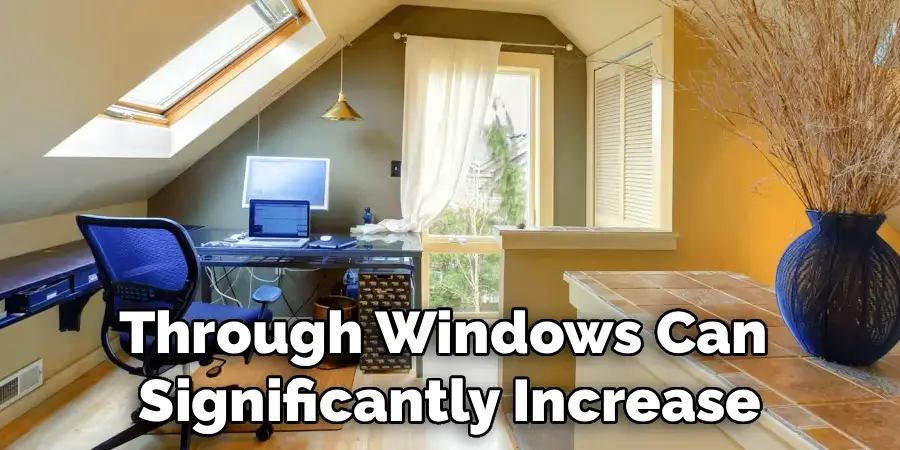
The sun’s rays streaming through windows can significantly increase the temperature of any room, a phenomenon known as solar gain. This is especially true for attic windows or skylights, which often receive direct, intense sunlight throughout the day. Installing blackout curtains or thermal blinds is a simple yet highly effective way to block this heat source. These window treatments are designed with a special lining that prevents sunlight and UV rays from penetrating the room.
When choosing window coverings, opt for light-colored fabrics on the side facing the window, as they will reflect more sunlight away from the room compared to dark colors, which absorb heat. Cellular shades, also known as honeycomb shades, are another excellent option. Their unique construction traps air in distinct pockets, creating an extra layer of insulation against both heat gain in the summer and heat loss in the winter, making them a smart, year-round solution.
Step 5: Apply Reflective Film to Windows
If you want to block solar heat without sacrificing your view or natural light, reflective window film is an ideal solution. This thin, self-adhesive film is applied directly to the interior surface of your window glass. It works by reflecting a significant percentage of the sun’s infrared heat away from the window before it can enter your office. At the same time, it allows visible light to pass through, so you can still enjoy a bright, sunlit space without the associated heat.
Window film offers several additional benefits beyond temperature control. It can reduce glare on your computer screen, which helps prevent eye strain and improves productivity. Furthermore, it blocks up to 99% of harmful UV rays, which are a leading cause of fading in furniture, flooring, and artwork. Applying window film is a straightforward DIY project that provides an immediate and noticeable improvement in your room’s comfort level.
Step 6: Create Cross-Ventilation with Fans
Moving air feels cooler on the skin, a principle known as the wind chill effect. You can leverage this to make your attic office feel much more comfortable, even without lowering the actual air temperature. Using one or more fans to create cross-ventilation is a classic and energy-efficient strategy. Place a box fan or a standing fan facing out of a window on one side of the room to push hot air outside.
On the opposite side of the room, open another window to allow cooler air to be drawn in. If you only have one window, you can still create this effect. Position a fan facing into the room a few feet away from the open window, to pull cooler outside air in. For an extra cooling boost, place a bowl of ice or a frozen water bottle in front of the fan. As the air blows over the ice, it will be chilled, creating a makeshift air conditioner.
Step 7: Seal Air Leaks Around the Room
Small cracks and gaps around windows, doors, and electrical outlets might seem insignificant, but they can collectively allow a surprising amount of hot air to infiltrate your office. These air leaks can undermine your cooling efforts by letting the hot air from other parts of the attic or the outdoors seep in. Take the time to thoroughly inspect your attic office for any potential leaks. Pay close attention to the seals around window frames, the door leading into the attic, and any openings for wiring or pipes.

Use caulk to seal small cracks and gaps around stationary elements like window frames and baseboards. For larger gaps and the space around your attic door or access hatch, apply weatherstripping. This is a simple and inexpensive DIY project that can make a big difference in maintaining a stable, cool temperature. Sealing these leaks not only helps in the summer but also prevents cold drafts in the winter, improving your office’s energy efficiency.
Step 8: Upgrade to a Cool Roof
The color and material of your roof have a massive impact on the temperature of your attic. Traditional dark-colored roofs, like those with black or brown asphalt shingles, absorb a huge amount of solar radiation, which then gets transferred directly into the attic space below. A “cool roof” is designed to reflect more sunlight and absorb less heat than a standard roof. These roofs are typically made of reflective materials or are coated with a special paint that reflects solar energy.
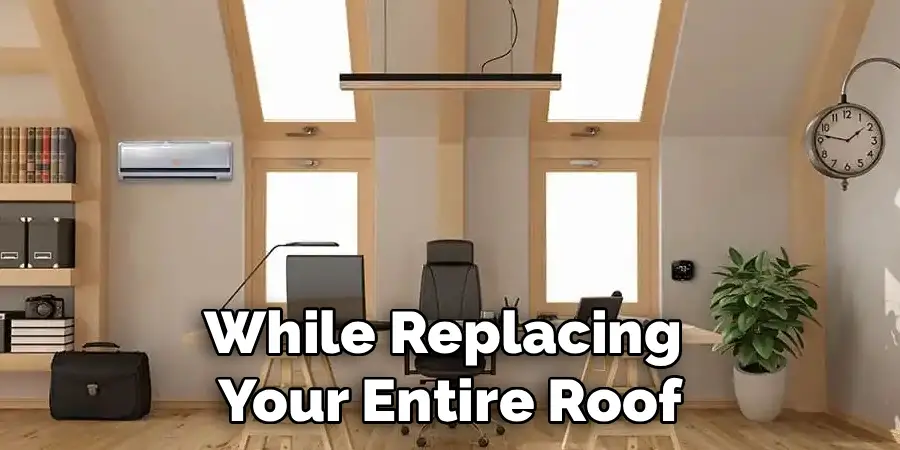
Upgrading to a cool roof can lower the roof’s surface temperature by up to 50°F, which can translate to a significant reduction in your attic’s temperature. While replacing your entire roof is a major investment, it’s something to strongly consider if your current roof is nearing the end of its lifespan. For a less expensive alternative, you can apply a reflective roof coating to your existing shingles. This specialized paint-like substance can boost your roof’s reflectivity and reduce heat absorption.
Step 9: Use Light-Colored Paint and Decor
The colors you choose for your office’s interior can also influence how hot it feels. Dark colors on walls, floors, and even large pieces of furniture tend to absorb light and heat, which can contribute to the overall warmth of the room. By contrast, light and neutral colors like white, beige, light gray, and pastels reflect light, making the space feel cooler, brighter, and more open.
Consider giving your attic office a makeover with a fresh coat of light-colored paint. This simple change can have a surprising psychological and physical effect on the room’s comfort. Extend this principle to your decor by choosing light-colored furniture, rugs, and accessories. Not only will this help keep the space feeling cool, but it will also make a smaller attic room appear larger and more airy, creating a more pleasant and productive work environment.
Step 10: Reduce Heat from Electronics and Lighting
Electronics and lighting are often overlooked sources of heat in an office. Computers, monitors, printers, and other devices generate a significant amount of heat when they are running. Similarly, traditional incandescent light bulbs convert a large portion of their energy into heat rather than light. In a small, enclosed space like an attic office, this combined heat can noticeably raise the room temperature.
To combat this, switch off electronics when they are not in use, rather than leaving them in standby mode. Ensure there is adequate ventilation around your computer and other large devices to allow heat to dissipate. Most importantly, replace any incandescent or halogen bulbs with energy-efficient LEDs or CFLs. These bulbs produce very little heat, use significantly less energy, and last much longer, making them a smart choice for both cooling and cost savings.

Following these steps on how to cool an attic office room effectively can not only help maintain a comfortable working environment, but also reduce energy usage and save on utility bills.
Conclusion
Transforming a hot, stuffy attic into a cool and comfortable office is entirely achievable with the right approach. By focusing on the core issues of insulation, ventilation, and blocking solar heat, you can create a workspace that remains pleasant even on the hottest days. Start with foundational improvements like upgrading insulation and installing an attic fan, then supplement these with targeted solutions like blackout curtains, a portable AC unit, and sealing air leaks.
By implementing these steps on how to cool an attic office room, you can reclaim your attic office from the oppressive summer heat. A cool and comfortable environment is essential for focus, well-being, and productivity. With a little effort, you can ensure your private workspace remains a functional and enjoyable retreat throughout the entire year.
