
Are you tired of being unable to tell what kind of lamp you have in your home? Have you recently encountered a beautiful Tiffany hanging lamp and want to know if it’s authentic?

How to identify a tiffany hanging lamp can be an exciting yet meticulous process, as these exquisite pieces are renowned for their craftsmanship and artistic value. Made by Louis Comfort Tiffany in the late 19th and early 20th centuries, Tiffany lamps are highly sought after for their intricate stained glass designs and historic significance. Whether you are a collector, an enthusiast, or simply someone curious about these iconic lamps, understanding their unique features and characteristics is essential.
From examining the quality of the glass to spotting the signature markings, learning how to identify an authentic Tiffany hanging lamp requires attention to detail and knowledge of its history.
What Are the Benefits of Owning a Tiffany Hanging Lamp?
Before diving into the identification process, it’s essential to understand why owning a Tiffany hanging lamp is valuable. These lamps are not only beautiful art pieces but also hold historical significance and are highly collectible. Some benefits of owning a Tiffany hanging lamp include:
- Adds Elegance and Charm to Any Space: The vibrant colors and intricate designs of Tiffany lamps make them an instant focal point in any room.
- Investment Value: Authentic Tiffany lamps can appreciate over time, making them a potential long-term investment.
- Unique Craftsmanship: Each lamp is handcrafted with precision and attention to detail, making each piece one-of-a-kind.
- Historical Significance: Tiffany lamps played a significant role in the Art Nouveau and Arts and Crafts movements, making them essential pieces of design history.
- Sustainable Choice: Owning an antique or vintage Tiffany hanging lamp is environmentally friendly and supports sustainable living by giving new life to old objects.
These are just a few of the many benefits of owning a Tiffany hanging lamp, making it a beautiful addition to your home and a valuable and meaningful piece to have.
What Will You Need?
To properly identify a Tiffany hanging lamp, you will need the following items:
- Magnifying Glass: A magnifying glass with at least 10x magnification is essential for examining the details and markings of the lamp.
- Reference Material: Having reference books or online resources on hand can help identify specific characteristics and markings.
- Good Lighting: Proper lighting is crucial for inspecting the colors and details of the lamp’s stained glass. Natural daylight is ideal, but a bright LED light works well.
Once you have these items ready, you can begin the identification process. Remember that it may take some time and effort to determine the authenticity of a Tiffany hanging lamp fully, but the result will be worth it.
10 Easy Steps on How to Identify a Tiffany Hanging Lamp
Step 1: Examine the Stained Glass
Use the magnifying glass to inspect the stained glass panels of the lamp closely. Authentic Tiffany lamps often feature rich, vibrant colors that appear luminous, even when not lit. Look for subtle color variations within the same piece of glass, as genuine Tiffany glass frequently includes textures and swirls that add depth. Pay attention to any irregularities, as Tiffany lamps were handcrafted, meaning no two pieces are identical.

Step 2: Check for a Tiffany Signature or Mark
Carefully examine the base or lower edge of the lampshade for a maker’s mark or signature, such as “Tiffany & Co.” or “Louis C. Tiffany Favrile.” Some authentic Tiffany lamps may also have a small tag or etching indicating their origin. Be cautious of marks that appear overly modern, as these could indicate a reproduction. Use your magnifying glass to ensure the marking is genuine and not painted or stamped onto the lamp.
Step 3: Examine the Quality of the Leading
Inspect the leading, the metal framework holding the stained glass pieces together. Authentic Tiffany lamps feature high-quality, intricate leading that is smooth and well-crafted. The soldering between the glass pieces should be even and have a dark, aged patina. Poor quality or uneven leading could indicate a reproduction. Additionally, check for signs of wear and aging consistent with the lamp’s purported age, as genuine Tiffany lamps are antiques with visible yet refined signs of time.
Step 4: Assess the Glass Quality
Carefully evaluate the stained glass used in the lamp. Authentic Tiffany lamps are known for their use of high-quality, hand-rolled glass that often features vibrant, rich colors and unique textures. Look for characteristics such as streaks, ripples, or minute air bubbles, which are hallmarks of genuine antique glass. Tiffany lamps often incorporate opalescent, confetti, or draped glass for added depth and visual interest. Be wary of overly smooth or uniform glass, as this can indicate a reproduction.
Step 5: Inspect the Base and Fixtures
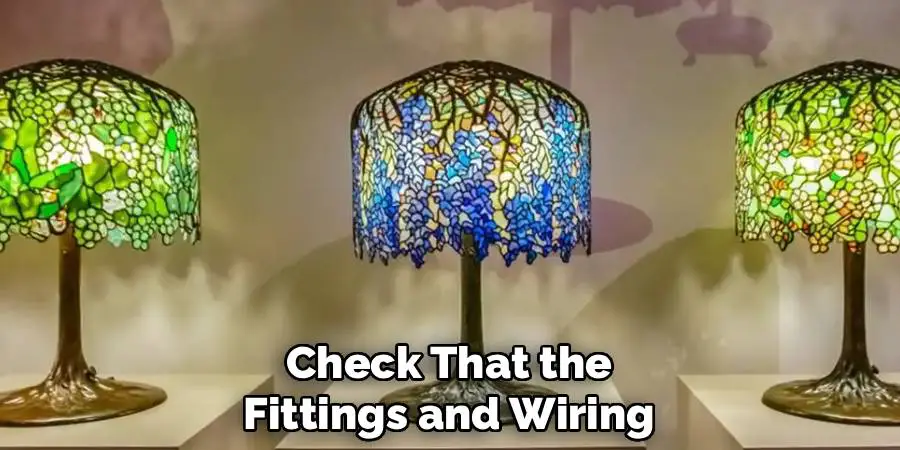
Examine the lamp’s base and fixtures closely, as authentic Tiffany lamp bases are typically made from high-quality materials such as bronze. Look for intricate patterns, a heavy and sturdy feel, and a smooth patina indicating age. Genuine bases may bear a maker’s mark or signature, such as “Tiffany Studios New York.” Avoid lamps with bases made of lightweight materials or those that appear overly shiny or modern, as these are often indicative of reproductions. Additionally, check that the fittings and wiring are consistent with the lamp’s period, though the wiring may have been replaced for safety.
Step 6: Verify the Authenticity of the Markings
Authentic Tiffany lamps often feature specific markings that confirm their origin. Look for signatures like “Tiffany Studios” or “L.C. Tiffany” engraved or etched on the base or shade. These markings should be consistent with known authentic examples, with proper spacing and font style. Be cautious of misspellings, uneven lettering, or stamped marks, as these can indicate reproduction. It’s also a good idea to consult reference materials or experts familiar with Tiffany’s work to confirm the legitimacy of the markings.
Step 7: Assess the Quality of the Glass
The glass quality is a key indicator of an authentic Tiffany lamp. Genuine lamps feature hand-rolled and hand-cut glass, often with vibrant and varied colors that change in appearance under different lighting conditions. Look closely for intricate details like textured surfaces, subtle color variations, and a three-dimensional quality. Be wary of lamps with flat, dull, or overly uniform glass, as these characteristics are commonly found in reproductions. The glass should demonstrate the craftsmanship and artistry synonymous with Tiffany Studios.
Step 8: Verify the Lamp’s Base
The base of an authentic Tiffany lamp should reflect the same level of craftsmanship as the shade. Genuine bases are often made of bronze and have a substantial weight. Look for fine detailing, such as intricate patterns or designs that complement the shade. Additionally, check for a stamped Tiffany Studios marking, typically accompanied by a model number. Be cautious of bases made of lighter materials, such as pot metal or brass, as these are frequently found in reproductions. Ensure the patina on the base appears natural and consistent with its age, as an overly shiny or uniform finish may indicate a fake.

Step 9: Confirm the Wiring and Hardware
Examine the wiring and hardware of the lamp for signs of authenticity and age. Original Tiffany lamps often have period-appropriate, cloth-covered wiring, although the wiring may have been replaced over time for safety reasons. Check the sockets, as genuine Tiffany lamps typically use high-quality sockets made of brass with pull chains or turn knobs. Ensure the sockets bear the markings of reputable manufacturers from the early 20th century, such as GE or Hubbell. Be cautious of lamps with modern plastic sockets or inconsistencies in the hardware, as these are strong indicators of reproductions.
Step 10: Assess the Shade Construction
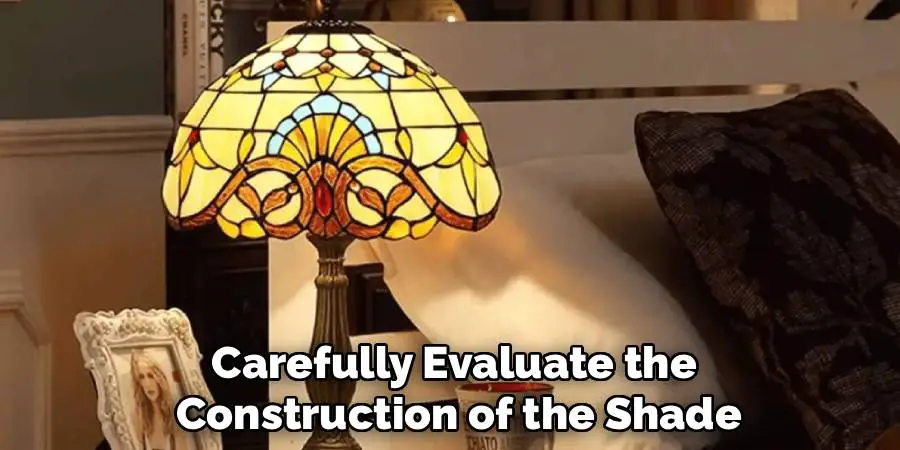
Carefully evaluate the construction of the shade, as this is a critical factor in determining authenticity. Original Tiffany lamp shades are crafted using the copper foil technique, where each piece of glass is individually wrapped in copper foil before being soldered together. Look for small, irregular solder lines; perfectly smooth or overly consistent lines may indicate a reproduction. Pay attention to the texture and quality of the glass; authentic Tiffany glass often features subtle variations, swirls, or iridescent finishes that reflect light beautifully. Beware of overly uniform or modern-looking glass, which could be a sign of a fake.
By following these steps and thoroughly examining the quality and characteristics of a Tiffany lamp, you can confidently determine its authenticity.
Conclusion
Identifying an authentic Tiffany hanging lamp requires a keen eye and attention to detail. You can distinguish genuine pieces from reproductions by thoroughly inspecting the base, shade, hardware, and construction techniques.
Authentic Tiffany lamps exhibit craftsmanship, including iconic copper foil technique, quality materials, and unique glass textures. Remember to cross-reference stamps, maker’s marks, and provenance whenever possible to solidify authenticity. With patience and knowledge, you can ensure your discovery is a genuine Tiffany masterpiece, not an imitation.
Hopefully, the article on how to identify a tiffany hanging lamp has provided valuable insights and information for antique enthusiasts and collectors alike. Happy hunting!
