
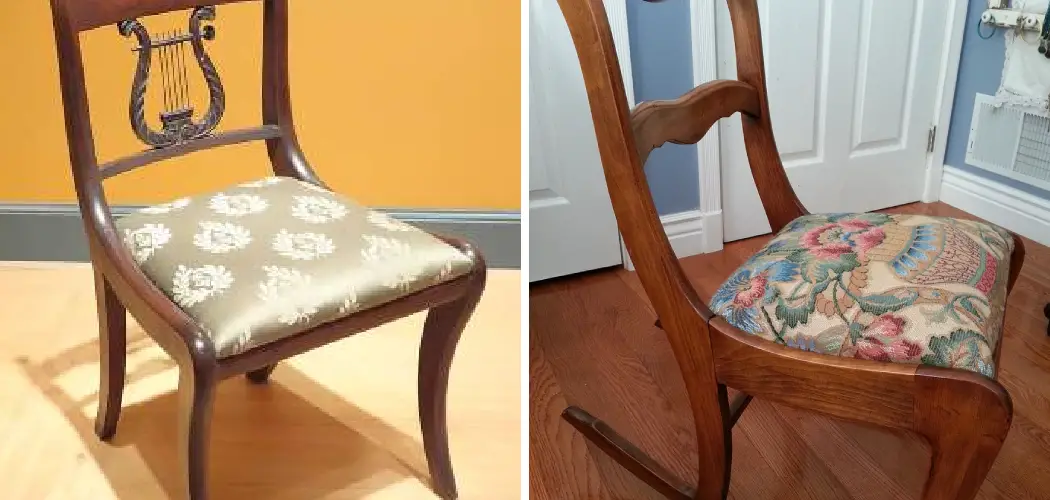
Identifying a Duncan Phyfe chair can be an exciting endeavor for antique enthusiasts and furniture collectors alike. Named after the renowned American cabinetmaker Duncan Phyfe, these chairs are celebrated for their elegant craftsmanship and timeless design. Understanding the unique characteristics of Duncan Phyfe chairs requires a keen eye for
details like distinctive features, materials, and stylistic elements that set them apart from other furniture pieces of their era.
Whether you’re a seasoned collector or someone looking to learn more about antique furniture, this guide on how to identify duncan phyfe chairs will provide you with the tools to accurately recognize these iconic chairs.
Why Are Duncan Phyfe Chairs So Special?
Many factors contribute to the allure of Duncan Phyfe chairs. First and foremost, they are considered some of the finest examples of American-made furniture from the early 19th century. Their exceptional quality and attention to detail reflect Phyfe’s mastery as a cabinetmaker.
Moreover, these chairs embody the neoclassical style that was popular during Phyfe’s time, making them a representation of the elegance and sophistication of that era. They also hold historical significance as symbols of American craftsmanship and ingenuity.
Needed Materials
In order to accurately identify a Duncan Phyfe chair, you will need the following materials:
A Reference Book on Antique Furniture or Specifically on Duncan Phyfe’s Work:
Having a reference book at hand is crucial for identifying Duncan Phyfe chairs. Not only will it provide you with detailed information and images of his work, but it can also serve as a comparison guide when examining potential pieces.
A Magnifying Glass:
A magnifying glass is essential for closely inspecting the intricate details and markings on the chair. It can reveal hidden signatures or labels that may be difficult to see with the naked eye.
Knowledge of Materials Used During Phyfe’s Time:
Having an understanding of the materials commonly used during Duncan Phyfe’s time can help narrow down potential pieces. For example, Phyfe was known for using mahogany wood in his furniture, so if you come across a chair made of this wood, it could be a strong indication that it is a Duncan Phyfe piece.
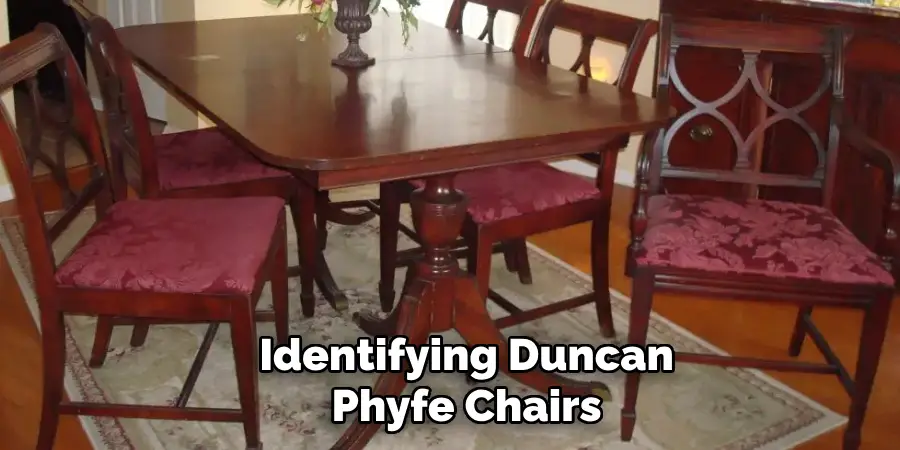
8 Step-by-step Guidelines on How to Identify Duncan Phyfe Chairs
Step 1: Examine the Chair’s Structure
Start by closely examining the overall structure and design of the chair. Duncan Phyfe chairs are typically well-proportioned with a refined, symmetrical appearance. Look for key elements such as tapered legs, lyre backs, or urn motifs, all of which are hallmarks of his work. The craftsmanship should appear precise, with no excessive ornamentation or irregularities.
Additionally, check for classic elements of neoclassical design, including clean lines and subtle curves. The chair should feel sturdy and expertly constructed, reflecting the exceptional quality for which Duncan Phyfe is known.
Step 2: Look for Signature Markings
If you’re lucky, a Duncan Phyfe chair will have a clear signature or label indicating its maker. These may be found on the underside of the seat or carved into the wood frame. Some chairs may also feature metal tags with his name and location, which can provide valuable information in identifying the piece.
You may also come across chairs with the initials “D.P.” or “D. Phyfe” carved into the wood, which are also indications of a Duncan Phyfe piece.
Step 3: Inspect the Wood and Finish
Duncan Phyfe was known for using high-quality materials such as mahogany, rosewood, and satinwood for his furniture. Examine the wood closely to see if it shows signs of aging or has a rich patina that is consistent throughout the chair. Any repairs or alterations made over time may affect the uniformity of the finish.
Also, look for any distinctive features in the finish, such as intricate carvings or decorative inlays, which were commonly used in Phyfe’s work.
Step 4: Check for Distinctive Features
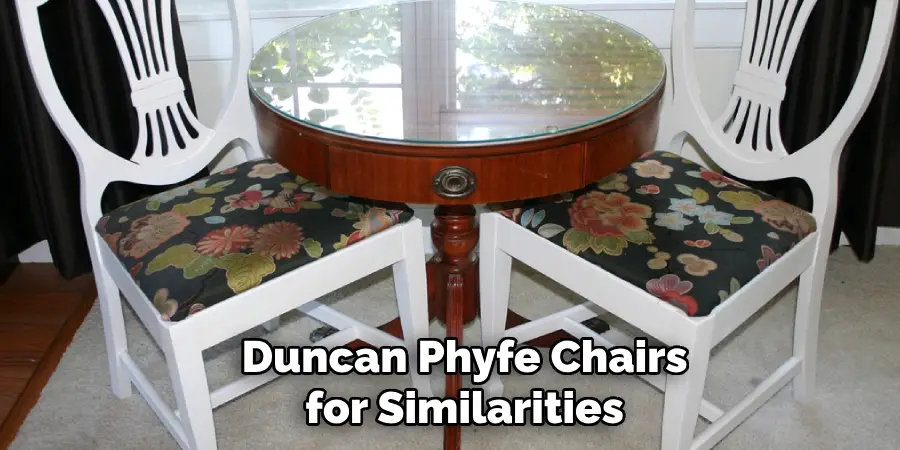
Duncan Phyfe chairs often feature distinct design elements that set them apart from other furniture pieces. These can include lyre or harp-shaped backs, saber legs, claw feet, and urn motifs. Take note of these features and compare them to references or known Phyfe pieces to help with identification.
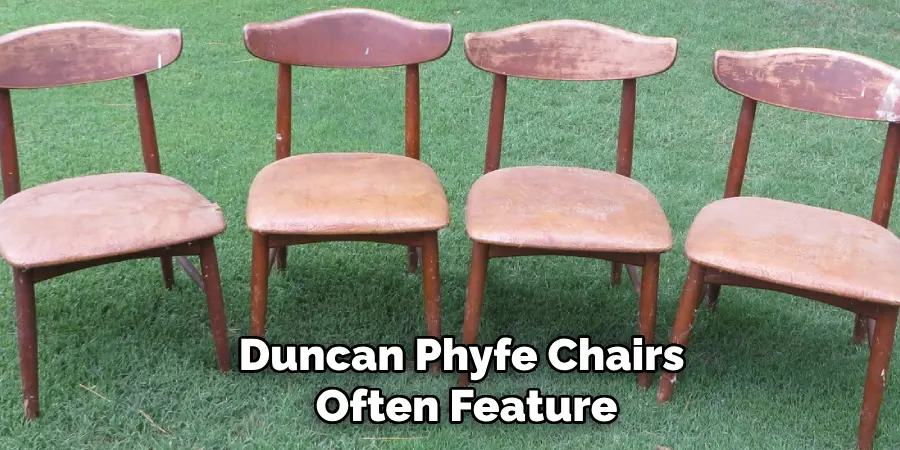
It’s also worth noting that Phyfe was known for incorporating Greek, Roman, and Egyptian influences into his designs, so keep an eye out for these historical references as well.
Step 5: Study the Upholstery
While the original upholstery may not be present on an antique chair, examining the fabric can still provide valuable clues about its origins. Duncan Phyfe was known for using high-quality materials like fine silk or velvet for his chairs, with intricate designs and patterns reflecting the neoclassical style. Additionally, look for any signs of wear or repairs, as these can indicate the age and authenticity of the piece.
But keep in mind that over time, chairs may have been reupholstered, so the fabric alone cannot be relied upon for identification.
Step 6: Consult Experts
If you’re unsure about a potential Duncan Phyfe chair, it’s always best to consult with experts in the field. Antique furniture dealers or appraisers with knowledge of Duncan Phyfe’s work can offer valuable insights and help confirm your findings.
Additionally, joining antique furniture communities or attending auctions and exhibitions can also provide opportunities to learn more from experienced collectors and enthusiasts.
Step 7: Research Provenance
The provenance, or history of ownership, is another important aspect to consider when identifying a Duncan Phyfe chair. If there is documentation or records of the chair’s previous owners, this can help confirm its authenticity and provide more information about its origins.
Additionally, knowing where and when the piece was acquired can also offer insights into its age and potential value.
Step 8: Trust Your Instincts
Lastly, trust your instincts when it comes to identifying a Duncan Phyfe chair. If something feels off or doesn’t seem quite right, it’s best to do further research or consult with experts before making a purchase or claim.
Remember that each Duncan Phyfe chair is unique and may not always conform to specific guidelines on how to identify duncan phyfe chairs or characteristics. But with careful examination and knowledge of his style and techniques, you can confidently identify and appreciate these timeless pieces of furniture.

Things to Remember
- Duncan Phyfe was a prominent American furniture maker during the early 19th century, known for his neoclassical designs and exceptional craftsmanship.
- To identify Duncan Phyfe chairs, you should examine the structure, look for signature markings or labels, inspect the wood and finish, check for distinctive features and study the upholstery.
- Consult with experts, research provenance and always trust your instincts when it comes to identifying potential Duncan Phyfe chairs. The knowledge of materials used during his time can also be helpful in narrowing down potential pieces.
- Remember that each Duncan Phyfe piece is unique, so there may not always be clear-cut guidelines for identification. Trust your knowledge and understanding of his style and techniques to confidently identify these timeless pieces of furniture.
Frequently Asked Questions
Q1: Are All Duncan Phyfe Chairs Signed or Marked?
A1: No, not all Duncan Phyfe chairs will have a clear signature or label. Some may feature initials or other markings carved into the wood, while others may not have any discernible markings at all. This is why it’s important to closely examine the structure, materials, and design of a chair when attempting to identify it as a Duncan Phyfe piece.
Q2: Can Repairs or Alterations Affect the Identification of a Duncan Phyfe Chair?
A2: Yes, repairs or alterations made over time can affect the authenticity and identification of a Duncan Phyfe chair. That’s why it’s important to carefully study the wood and finish for any signs of inconsistency or tampering.
Q3: What is the Best Way to Preserve an Authentic Duncan Phyfe Chair?
A3: To best preserve an authentic Duncan Phyfe chair, it’s important to keep it away from direct sunlight and extreme temperature or humidity changes. Regular dusting and gentle cleaning with a soft cloth can also help maintain its original condition. Consulting with antique furniture experts for proper care and maintenance advice is recommended. Additionally, avoid using harsh chemicals or abrasive cleaners on the wood or fabric.
Q4: Are There Other Ways to Identify a Duncan Phyfe Chair?
A4: Yes, in addition to the steps mentioned above, there are other ways to identify a Duncan Phyfe chair. These can include studying historical references and images of Phyfe’s work, as well as examining the construction and joinery techniques used in his furniture. It’s also helpful to compare the piece with known authentic Duncan Phyfe chairs for similarities in design and style.
Conclusion
Identifying a Duncan Phyfe chair can be a rewarding process that combines careful observation, research, and a deep appreciation for craftsmanship. By following the outlined steps on how to identify duncan phyfe chairs, such as inspecting the materials, design elements, and provenance, you can uncover valuable insights about these timeless pieces of furniture.
Whether you are an avid collector, a history enthusiast, or simply admire fine furniture, understanding the legacy of Duncan Phyfe enhances your ability to recognize and cherish his work.
Remember, patience and attention to detail are key, and consulting with experts or enthusiasts can further enrich your exploration. Recognizing a piece of history like a Duncan Phyfe chair allows you to connect with a tradition of artistry that has endured for generations.
