
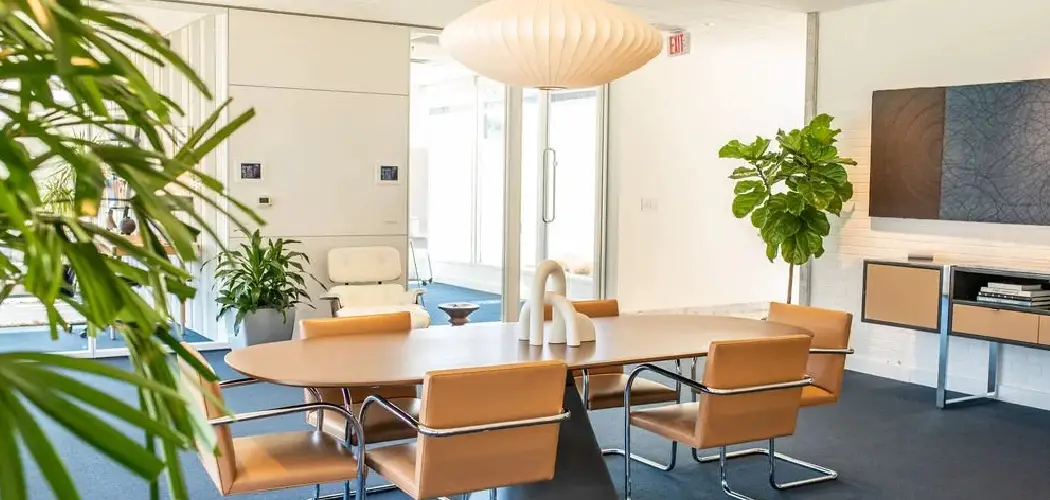
Transforming your office space with indoor plants is not just about aesthetics—it’s about creating a healthier, more vibrant environment for everyone. Carefully installed indoor greenery can uplift mood, increase productivity, and reduce stress among employees. Choosing the right plants and arranging them well offers both visual appeal and practical benefits, like purified air and improved acoustics.
However, installing indoor plants in an office setting requires planning, attention to detail, and ongoing care. Whether you’re managing a small shared workspace or a large corporate building, following a structured approach ensures the best results. In this guide on how to Install indoor plants in an office, we’ll walk you through simple steps to help you introduce greenery into your office efficiently and effectively.
7 Simple Step-By-Step Guidelines on How to Install Indoor Plants in an Office
Step 1: Assess the Office Environment
Before bringing in any plants, start by evaluating your office space carefully. Look for spots with good access to natural light and areas that could benefit from a bit of greenery. Different spaces—such as desks, conference rooms, and communal areas—have unique lighting and environmental needs.
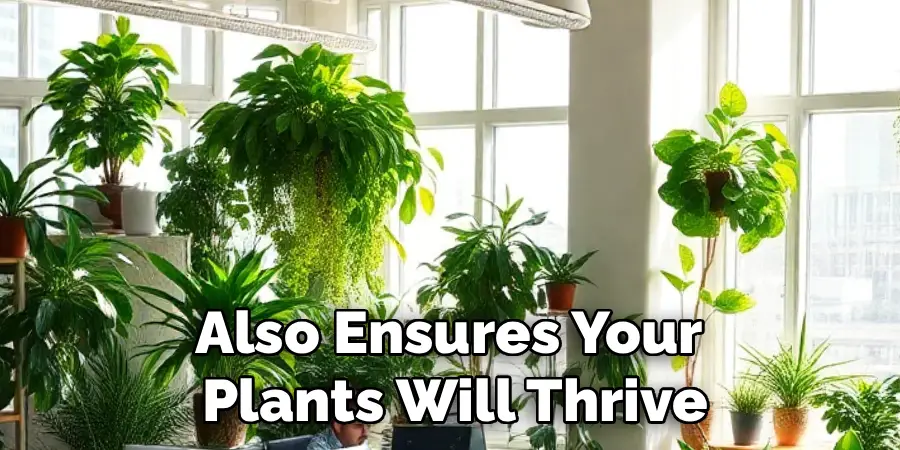
Take notes of factors like temperature fluctuations, airflow, and humidity levels throughout your workspace. This assessment not only helps with plant selection later on but also ensures your plants will thrive. Thoughtful observation in the beginning saves time and increases your chances of long-term success.
Step 2: Choose the Right Plants
With your environment assessed, consider which plants are well-suited for your office. Low-maintenance varieties, such as snake plants, pothos, and ZZ plants, are ideal for busy settings. Incorporate a mix of sizes and types to create a visually balanced and interesting display that caters to light and care requirements.
When selecting plants, think about their specific benefits. Some plants excel at purifying air, while others might offer bold statement foliage or trailing aesthetics. Research or consult with a nursery to match plant species to the lighting and temperature conditions identified in step one.
Step 3: Select Appropriate Planters
Planters not only serve as containers but also contribute to your office décor. Opt for pots that complement your interior style while providing adequate room for plant growth and root circulation. Ensure planters have drainage holes to prevent waterlogging and root rot.
Materials matter: ceramic, plastic, and fiberglass planters all have different weights, costs, and care implications. Consider using planter trays or liners to protect office surfaces from moisture and soil spills. A careful choice of planters adds harmony to your plant installation and keeps the workspace tidy.
Step 4: Plan the Layout and Placement
Before installing the plants, create a rough map of your office to plan where each one will go. Distribute plants evenly to ensure every area gets a touch of greenery without overcrowding. Pay close attention to high-traffic zones and secluded corners, adjusting placement so that plants can receive enough light.
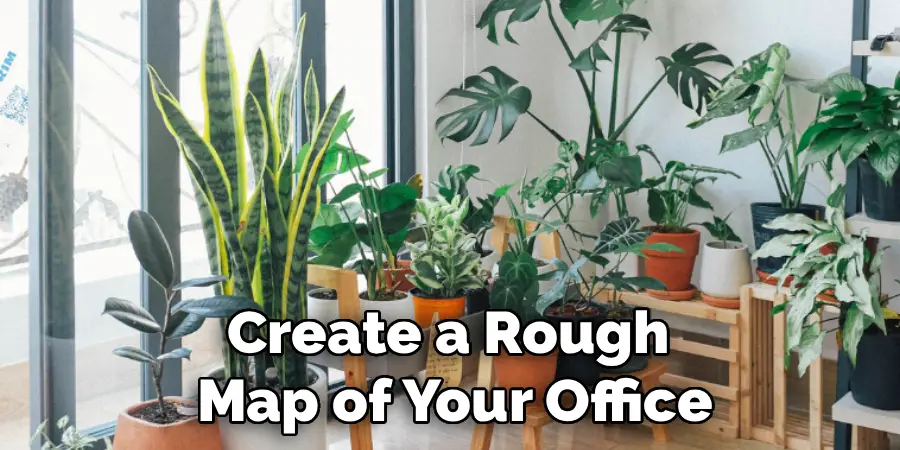
Variety in plant heights and shapes enhances visual interest and prevents a monotonous look. Place larger floor plants near entryways or open areas, and use smaller pots on desks or shelves. Test arrangements by moving empty planters around to see what works best in terms of flow and accessibility.
Step 5: Prepare Plants for the Move
Before bringing the plants into the office, prepare them for the transition. Water and prune them as needed, a few days before moving, removing any dead leaves or debris. This keeps the plants healthy and reduces stress during relocation.
Transport plants carefully—avoid exposure to extreme temperatures and heavy winds. If you’re carrying them over a distance, wrap delicate foliage with paper or plastic to prevent damage. Ready-to-move and well-groomed plants will quickly adapt to their new office home, ensuring a smooth transition.
Step 6: Install and Arrange the Plants
Now comes the exciting part: installing the plants in your office. Place each plant in its chosen spot according to your layout plan. Make adjustments as needed to balance visual impact and practicality, such as keeping taller plants out of walkways.
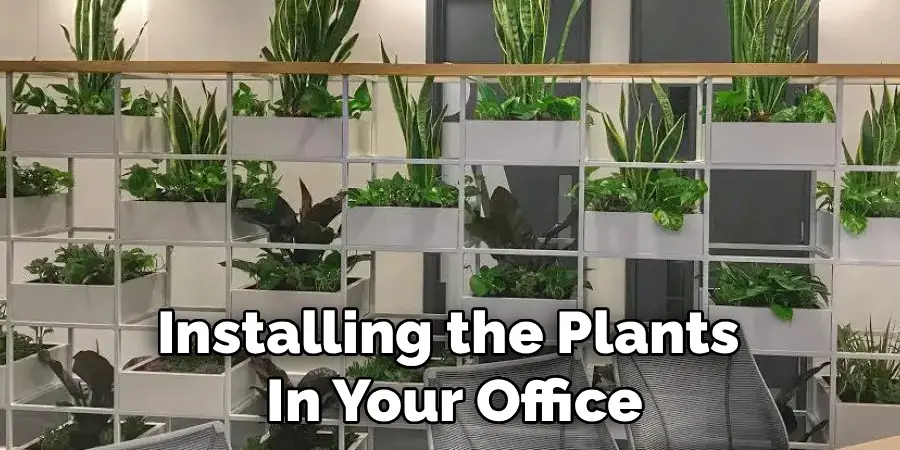
Take a step back and assess the overall look, checking for focal points and symmetry. After arranging, thoroughly water the plants and wipe any dust off the leaves. A well-placed and neatly arranged display both beautifies the office and sets the stage for a thriving indoor ecosystem.
Step 7: Set Up a Maintenance Routine
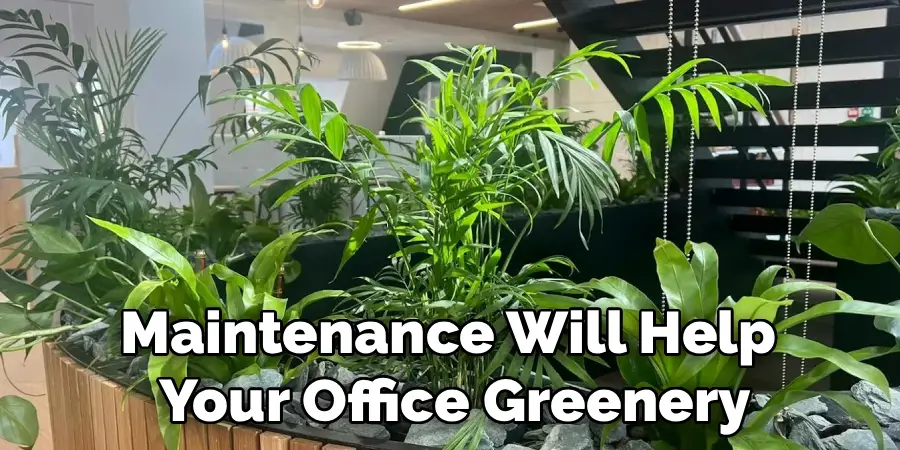
Maintaining your indoor plants is crucial for ongoing success. Establish a regular schedule for watering, pruning, and fertilizing, tailored to the needs of your selected species. Rotate plants periodically for even growth and inspect for pests or disease problems.
Assign responsibility among staff or hire a plant care service, especially for larger installations. Keep nutrient levels and humidity in check with occasional misting or using humidifiers if needed. Consistent care ensures your plants remain lush, healthy, and an ongoing source of pride for your workplace.
Following these steps on how to Install indoor plants in an office space, you can create a green and inviting environment that will not only benefit your employees but also improve the overall aesthetic of your workplace. With the added benefits of increased productivity, reduced stress levels, and improved air quality, investing in indoor plants is a smart choice for any business.
Do You Need to Use Professionals?
While it’s possible to install and care for indoor plants in the office yourself, enlisting professionals can offer extra peace of mind. Professional plant installers and maintenance companies bring specialized expertise—they know how to select plants based on space and lighting, handle tricky installations, and establish ongoing care routines.
For larger offices or complex layouts, professionals can save time and reduce hassle, ensuring plants get the best possible start and long-term care. They also offer plant guarantees, replacing or caring for any struggling specimens. This means less downtime and fewer distractions for your team.
However, for smaller offices or simpler needs, following the guidelines above can be a cost-effective approach. Evaluate your team’s interest and capability before deciding whether to hire outside help. Sometimes, a combination of professional advice and DIY enthusiasm yields the best outcome for your workspace.
How Much Will It Cost?
The cost of installing indoor plants in an office depends on a variety of factors—including the number and size of plants, the type of planters, and whether you use professional services. Initial expenses cover purchasing plants and containers, while ongoing costs include maintenance, fertilizing, and potential replacement of plants.
On average, a small office installation can range from $200 to $1,000, while larger or more elaborate installations with mature specimens and custom planters can run several thousand dollars. Hiring professionals adds to the cost but can ensure a more polished result and less risk over time.
It’s wise to set a clear budget before starting your project and seek quotes from multiple suppliers. Don’t forget to factor in future care expenses—healthy plants need ongoing support to thrive. Balancing upfront investment with long-term maintenance will help your office greenery stay vibrant and affordable.
Frequently Asked Questions
Q1: What Are the Best Low-Maintenance Office Plants?
Low-maintenance plants are highly recommended for offices due to their resilience and adaptability. Popular options include snake plants, pothos, ZZ plants, and peace lilies. These varieties tolerate varying light levels and require minimal watering, making them ideal for busy or low-light workplaces.
Investing in hardy species ensures your plants will thrive even if conditions fluctuate or care routines are missed. Additionally, low-maintenance plants often have air-purifying benefits, contributing to a healthier office environment without demanding too much attention.
Q2: How Can I Prevent Pests and Diseases in Office Plants?
Keeping office plants healthy starts with regular inspection. Look for signs of pests, such as small webs, yellowing leaves, or sticky residue. Treat any issues early using gentle solutions like neem oil or insecticidal soap, and avoid overwatering, which can invite disease.
Ensuring proper airflow, removing debris, and rotating plants help prevent pest infestations. Basic office cleanliness and avoiding plant overcrowding are also important. Early detection and a little proactive care go a long way toward keeping your greenery pest-free and healthy throughout the year.
Q3: Does Having Office Plants Really Improve Productivity?
Numerous studies show that indoor plants in the workplace can boost productivity and concentration. Plants introduce a sense of calm and can reduce background noise, leading to a more focused environment. They also help filter toxins and improve air quality, which has positive effects on cognitive performance.
Beyond physical health benefits, the presence of greenery is linked to improved morale and job satisfaction among employees. A vibrantly planted office encourages creativity and provides visual breaks, helping staff stay refreshed and motivated during the workday.
Conclusion
Bringing indoor plants into your office is a transformative decision with numerous long-term benefits. From fostering a positive atmosphere to enhancing productivity and health, a well-planned plant installation contributes value well beyond its initial cost. By following the step-by-step guidelines on how to Install indoor plants in an office above, you can create a vibrant, inviting workspace that elevates both mood and efficiency.
Whether you choose to go DIY or partner with professionals, the key is thoughtful planning and consistent care. Begin with a simple installation and grow your indoor garden as your workplace evolves. With inspiration and a little attention, your office can flourish—making every workday greener, fresher, and infinitely more enjoyable.
