
Shoulder pain is a common complaint among people who spend long hours sitting at a desk. Whether you work from home, in an office, or study for extended periods, the strain on your shoulders can build up quickly. Modern lifestyles, which often involve prolonged screen time and poor posture, further contribute to this discomfort. If left unchecked, shoulder pain can interfere with productivity, mood, and even sleep quality.
However, the good news is that shoulder pain caused by desk work is often preventable and reversible with the right steps. Addressing the problem early and consistently can make a significant difference. In this guide on how to relieve shoulder pain from sitting at desk, we’ll walk you through simple, practical guidelines that target the root causes of shoulder discomfort, so you can work more comfortably and maintain your health.
7 Step-by-step Guidelines on How to Relieve Shoulder Pain From Sitting at Desk
Step 1: Adjust Your Workspace Ergonomics
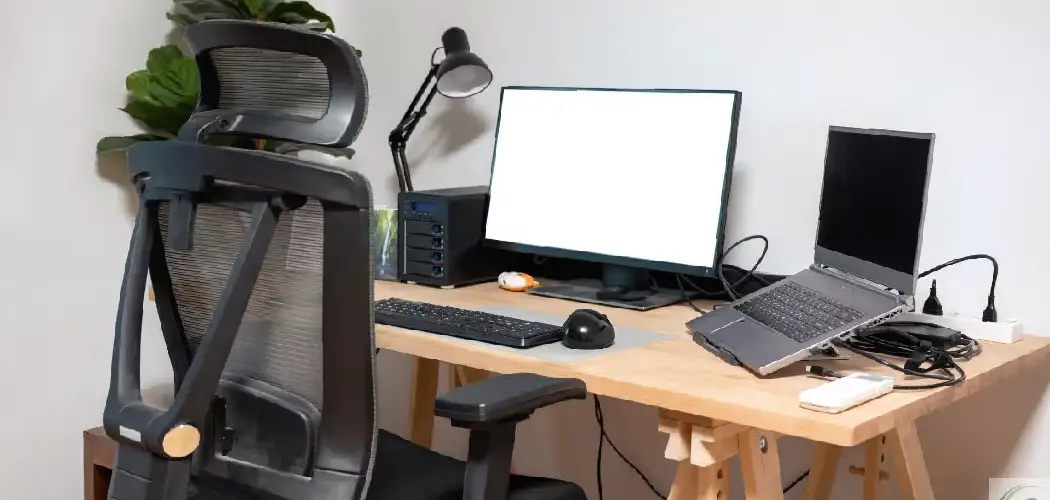
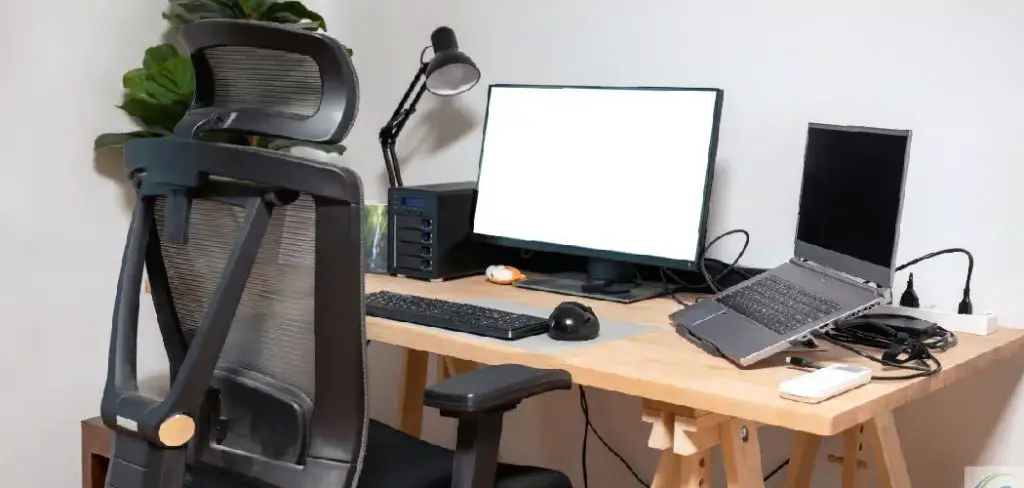
A poorly arranged workspace is one of the leading causes of shoulder pain for desk workers. Begin by evaluating the height of your desk, chair, and monitor. Your screen should be at eye level, and your elbows should bend at about a 90-degree angle when your hands are on the keyboard. If possible, use an adjustable chair with good lumbar support and ensure your feet are flat on the ground.
Taking the time to optimize your workstation will not only reduce shoulder pain but also benefit your entire posture. Place your keyboard and mouse within easy reach to avoid constant stretching or hunching. Keep frequently used items close by, so you don’t have to strain to reach for them, further minimizing unnecessary stress on your shoulders over long periods.
Step 2: Practice Regular Stretching Exercises
Incorporating stretching into your daily routine can make a world of difference for sore shoulders. Set a timer to remind yourself to stretch at least once every hour. Focus on gentle neck rolls, shoulder shrugs, and arm crossovers to relieve tightness. Hold each stretch for at least 20-30 seconds, ensuring you feel a gentle pull but never pain.
Regular stretching not only alleviates current discomfort but also increases flexibility and blood flow, reducing the likelihood of future problems. These stretches can be done quickly at your desk and don’t require any equipment, making it easy to integrate them into your workday without much disruption.
Step 3: Strengthen Your Upper Back and Shoulder Muscles
Weak shoulder and upper back muscles often contribute to poor posture and pain. Engage in strengthening exercises such as rows, scapular squeezes, or resistance band work. Aim to include these strength-building moves a few times a week, allowing rest days in between to let your muscles recover.

By building strength in the upper body, you help support your shoulders during long periods of desk work. Strong muscles act as stabilizers, making it easier to maintain proper posture even when you are focused on your tasks. Over time, you’ll likely notice not just reduced pain, but also improved energy and resilience against muscle fatigue.
Step 4: Take Frequent Movement Breaks
Remaining in a single position for extended periods is harmful to your musculoskeletal system, especially in the shoulders. Aim to stand up and move around for a few minutes every 30–60 minutes. Walk around your room, do a few shoulder rolls, or simply shake out your arms to get your blood flowing and relieve stiffness.
Movement breaks not only combat shoulder pain but also boost mental focus and overall well-being. These mini-breaks are easy to schedule—consider linking them to regular tasks, like after phone calls or before meetings, to build a healthier routine effortlessly into your workday.
Step 5: Be Mindful of Your Posture
Posture plays a critical role in preventing shoulder pain. Keep your shoulders relaxed and down, not hunched or scrunched up towards your ears. Align your ears, shoulders, and hips in one straight line when seated. It’s natural to slip into bad habits during intense work, so check your posture regularly throughout the day.
Consider setting visual reminders at your workspace, like a sticky note on your monitor, to prompt good posture habits. Over time, these small behavioral cues can make maintaining proper posture second nature, leading to lasting relief and long-term prevention of shoulder discomfort.
Step 6: Use Heat or Cold Therapy as Needed
Applying heat or cold can help alleviate shoulder pain, especially if you experience acute discomfort after a long day. Use a warm compress or heating pad on your shoulders to relax tense muscles and increase circulation. Alternatively, an ice pack can help reduce inflammation or numb severe pain.
Be sure not to apply extreme temperatures directly to the skin and limit each session to about 15-20 minutes. This simple therapy can be repeated several times throughout the day as needed, providing quick and accessible pain relief without medication or medical intervention.
Step 7: Seek Professional Help When Necessary
While most shoulder pain from sitting at a desk responds well to the above measures, sometimes it’s a symptom of an underlying issue. If your pain persists beyond a few weeks, is severe, or is accompanied by numbness or tingling, consult a healthcare professional. Ignoring persistent pain can lead to long-term damage or more serious conditions.
A physical therapist can tailor a program to your unique needs, helping you correct any muscle imbalances or postural issues. In rare cases, medical imaging or further intervention may be necessary. Always listen to your body and don’t hesitate to seek expert advice if self-care does not bring sufficient relief.

Following these steps on how to relieve shoulder pain from sitting at desk will not only alleviate discomfort but also improve your overall well-being and productivity. Remember to take regular breaks, incorporate stretches and exercises into your daily routine, and seek professional help if needed.
Additional Tips
- Invest in tools such as ergonomic chairs, lumbar cushions, or standing desks to further support healthy posture.
- Consider using a headset if you spend a lot of time on the phone, to avoid cradling the phone between your shoulder and ear.
- Drink plenty of water throughout the day; hydration is essential for muscle health and reduces the risk of cramps.
- Limit phone and tablet use outside of work hours to minimize cumulative strain on your shoulders and neck.
- Develop a short wind-down routine before bed, incorporating gentle stretches to ease any tension from the day and promote better sleep.
Common Mistakes to Avoid
- Ignoring pain or attributing it solely to stress, rather than addressing environmental or postural causes.
- Sitting for prolonged periods without moving or stretching exacerbates stiffness and tightness.
- Using chairs and desks that don’t match your height or ergonomic needs.
- Overloading your workspace with clutter, forcing awkward reaching and posture.
- Continue self-treatment without seeking medical advice if pain persists or worsens.
Frequently Asked Questions
Q1: What Are the Best Desk Exercises to Prevent Shoulder Pain?
Incorporating specific exercises into your daily routine can significantly reduce the risk of shoulder pain. Desk exercises like seated shoulder blade squeezes, arm circles, and neck stretches are simple but effective. Aim to do these exercises at least twice a day, even if you feel fine.
Continuing these exercises regularly will not only help prevent shoulder pain but also support better posture and circulation. Most can be done without special equipment, making them ideal for a busy work environment.

Q2: How Long Does It Take to Relieve Shoulder Pain Once I Start These Steps?
The length of time it takes to feel relief can vary based on the severity of your pain and how consistently you follow the guidelines. Mild discomfort often improves within a few days to a week with diligent stretching, posture correction, and workspace adjustments.
For more persistent pain, it may take several weeks before you notice significant changes. If symptoms do not improve or worsen over time, it’s important to consult a medical professional for further advice and potential treatment.
Q3: Can Desk Ergonomics Alone Solve My Shoulder Pain?
Desk ergonomics are essential, but not always a complete solution. While they address some root causes, factors like posture habits, regular movement, and muscle strength are equally important. Relying solely on ergonomics may provide limited results if not paired with other lifestyle changes.

Combining ergonomic improvements with stretching, strengthening, and movement breaks provides a more comprehensive approach. This integrated strategy offers the best chance for long-term relief and prevention of future pain.
Conclusion
Shoulder pain from prolonged desk work is a widespread but manageable issue. By taking simple steps on how to relieve shoulder pain from sitting at desk such as improving your workspace, adopting better posture, and incorporating regular movement and stretching, you can significantly reduce discomfort and prevent more serious problems in the future. Remember to listen to your body, take breaks, and seek professional guidance if needed.
Through continual attention to your desk setup and daily habits, you can create an environment that promotes musculoskeletal health and sustained comfort. Ultimately, investing in your well-being not only enhances your work life but also your overall quality of life, making shoulder pain a thing of the past.
