

Concrete tables have become a staple in both residential and commercial spaces, admired for their durability, modern aesthetic, and versatility. Their robust nature makes them ideal for high-traffic areas, while their distinctive appearance adds a unique touch to any setting. Whether used as dining tables, conference desks, or outdoor features, concrete tables have proven to be both practical and stylish.

Selecting the right concrete table and learning how to use and maintain it correctly will ensure longevity and preserve its appearance over time. This guide provides thorough, step-by-step instructions on how to use a concrete table effectively. By following these guidelines on how to use concrete table, you can maximize the functional and visual appeal of your investment, making it a lasting centerpiece in your space.
10 Step-by-step Guidelines on How to Use Concrete Table
Step 1: Assess the Placement Area
Before bringing your concrete table into your space, evaluate the area where it will be positioned. Start by measuring the space to ensure the table fits comfortably without overwhelming the room or causing obstructions. Consider the placement in relation to other furniture, pathways, and overall room flow.
In addition, assess the suitability of the floor surface for supporting a heavy concrete table. Concrete tables are significantly heavier than their wooden or metal counterparts, so it’s important to ensure that the floor is level and structurally sound. This consideration helps prevent scratches, uneven seating, or potential damage to both the table and your flooring.
Step 2: Prepare the Surface
Before positioning your concrete table, prepare the surface area meticulously. Clean the floor where the table will rest to remove any dust, debris, or small particles that may scratch or damage the base of the table. Consider using felt pads or protective glides beneath the table legs or base for added protection.
It’s also wise to check for environmental factors such as moisture, humidity, or direct sunlight, especially if you are placing the table outdoors. These elements can affect both the concrete surface and any accessories on the table, so pre-emptively addressing them can help maintain the table’s appearance and durability.
Step 3: Safely Move the Table
Concrete tables are often very heavy and unwieldy, so moving them requires thoughtful planning. Recruit at least two or more strong individuals to assist with the lifting, and use planning tools like furniture sliders or a dolly designed for heavy objects to minimize risk to yourself and the furniture.
When lifting, always use proper technique—bend your knees and keep your back straight. Avoid dragging the table across the floor, as this may scratch both the floor and the table finish. Take extra care to protect door frames and surrounding objects from accidental damage during the move.

Step 4: Level the Table
After placing your concrete table in your chosen spot, check that it is level. A tilted or unbalanced table can cause discomfort for users and potentially lead to spills or even structural stress over time. Use a leveling tool or a simple bubble level to check for evenness across the tabletop and the legs.
If adjustments are needed, use furniture shims or adjustable feet, if available, to correct any imbalance. Ensuring proper leveling at this stage will guarantee a stable, comfortable, and visually appealing setup for daily use and special gatherings alike.
Step 5: Proper Cleaning Routine
Maintaining your concrete table involves developing a regular cleaning routine. Use a soft cloth or sponge with a solution of mild, pH-neutral detergent and warm water to wipe down the surface. Avoid harsh chemicals, abrasive sponges, or acidic cleansers, as these can damage the concrete’s finish and protective sealant.
After cleaning, make sure to dry the surface thoroughly with a clean, dry towel. Leaving moisture sitting on the table can lead to staining or etching, compromising the table’s appearance. Consistent cleaning helps keep your concrete table looking as good as new for years to come.
Step 6: Protect the Surface from Stains
One of the key considerations when using a concrete table is protecting it from stains. Always use coasters for drinks, placemats for plates, and trivets for hot pots and pans. Concrete is naturally porous, meaning that spills—especially from acidic foods or colored drinks—can seep into the surface and leave permanent marks.
Seal your table periodically (as recommended by the manufacturer) to create a protective barrier against moisture and stains. Investing in high-quality sealant products can make ongoing maintenance easier and help preserve the table’s aesthetic appeal over time.

Step 7: Manage Outdoor Exposure
If your concrete table is placed outside, it’s essential to manage its exposure to the elements. While concrete is highly durable, constant exposure to sun, rain, wind, and fluctuating temperatures can affect the finish. Consider placing the table under a covered patio or using an outdoor furniture cover for additional protection.
For best results, bring lightweight accessories indoors during harsh weather and clean the table more regularly when exposed to pollen, dust, or bird droppings. Taking proactive measures can extend the life of your outdoor concrete table significantly.
Step 8: Style with Care
Styling your concrete table can enhance the overall look of your space, but it’s important to choose accessories carefully. Opt for items that won’t scratch or stain the surface, such as felt-bottomed décor, vases with non-abrasive bases, or fabric runners.
Rotate decorative objects occasionally to avoid uneven aging or discoloration of the concrete where sunlight or dirt may hit exposed areas. Use your table’s natural, modern look to your advantage by selecting minimalist or industrial-inspired décor that complements its robust presence.
Step 9: Address Chips and Cracks Promptly
Despite its strength, concrete can develop chips or cracks if subjected to heavy impacts or sharp objects. If you notice any damage, address it promptly to prevent further deterioration. Many minor chips can be filled with concrete patch or repair kits, often available at hardware stores or from manufacturers.
For substantial cracks or deep chips, consult a professional for repair advice. Regular inspection of your table’s surface ensures small problems don’t turn into major issues, safeguarding both your investment and the table’s everyday functionality.
Step 10: Maintain and Reseal as Needed
A concrete table’s longevity depends on periodic maintenance, including resealing the surface every one to three years, depending on usage and location. Clean the table thoroughly before applying sealant, and always follow the product instructions for the best results.
Keeping a maintenance schedule can help you remember when it’s time for more intensive upkeep. Well-maintained concrete tables continue to look stunning and function reliably, making them an enduring centerpiece for your home or workspace.

Following these steps on how to use concrete table molds and properly care for your finished table can make all the difference in the longevity and appearance of your creation. By investing a little extra time and effort, you can enjoy a beautiful concrete table for years to come.
Additional Tips
- Avoid standing or sitting on the concrete table to prevent unnecessary stress and potential cracks in the surface.
- Use only cleaning products recommended for concrete surfaces to ensure you don’t inadvertently strip away the sealant or damage the finish.
- Always lift heavy objects off the table instead of dragging them to avoid scratches.
- Store the table indoors during particularly harsh weather conditions, especially if you live in areas prone to frost or hail.
- Consider adding felt pads or rubber stoppers under accessory legs or décor pieces to prevent micro-scratches over time.
Frequently Asked Questions
Q1: How Heavy Are Most Concrete Tables?
Concrete tables are significantly heavier than their wooden or metal counterparts, often weighing between 150 and 400 pounds, depending on size and thickness. This can make transport and setup challenging, but the weight also contributes to the table’s robust durability. However, it is important to plan for delivery and placement carefully. Always use proper lifting techniques and, whenever possible, seek professional help to avoid injury or damage.
Q2: Can Concrete Tables Be Used Outdoors All Year Round?
While concrete tables are durable and weather-resistant, prolonged exposure to extreme elements like freeze-thaw cycles, heavy rain, or direct sunlight can affect their surface and structural integrity over time. Most manufacturers recommend placing outdoor tables under some form of shelter or using a protective cover when not in use. Applying a high-quality sealant to your table can also offer added protection against weather-related damage. It’s best to bring the table indoors or cover it during severe weather conditions.
Q3: What Kind of Sealant Should Be Used on a Concrete Table?
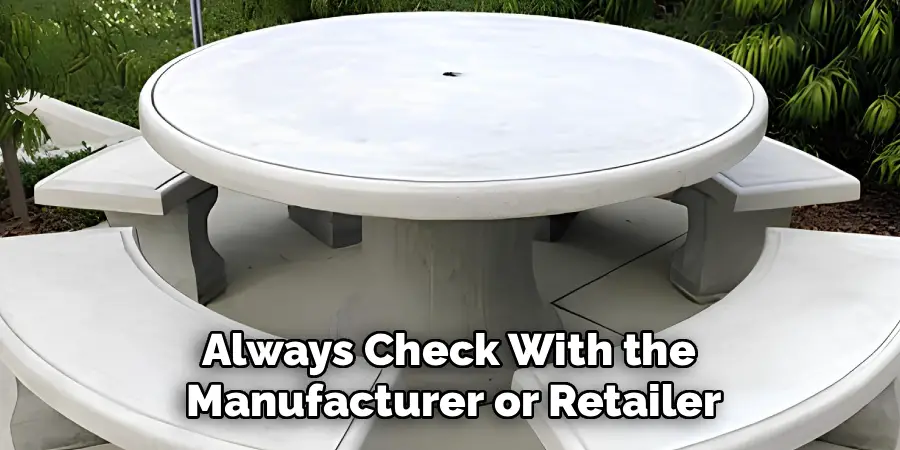
Choosing the right sealant depends on whether your concrete table is used primarily indoors or outdoors. Acrylic-based sealers are popular for interior use and provide a clear, protective layer, while penetrating sealers offer extra defense for outdoor tables. Always check with the manufacturer or retailer for specific product recommendations that are compatible with your table’s finish. Regular resealing, as outlined in the care guidelines above, is essential for long-term protection and stain resistance.
Q4: How Do I Remove Stains From My Concrete Table?
If you notice a stain, act quickly to blot up any spill with a clean cloth. For tougher marks, mix a mild detergent with warm water and gently scrub the area with a non-abrasive sponge. Avoid harsh chemicals as they may etch or discolor the table’s sealed finish. In some cases, a poultice can help lift deeper stains from the surface, but always follow the manufacturer’s care instructions. Prompt treatment is the best way to prevent permanent staining.
Conclusion
A concrete table is a striking blend of form and function, offering extraordinary durability and modern style to any environment. By following the step-by-step guidelines on how to use concrete table above, you can ensure both beauty and longevity in your table’s appearance and performance. Regular maintenance, thoughtful placement, and proper care measures are key to getting the most out of your investment.
Concrete tables bring an enduring sense of sophistication and stability to any space, serving as gathering spots for family meals, meetings, celebrations, and everyday living. By appreciating their unique qualities and treating them with care, you’ll enjoy your concrete table for many years to come.
