
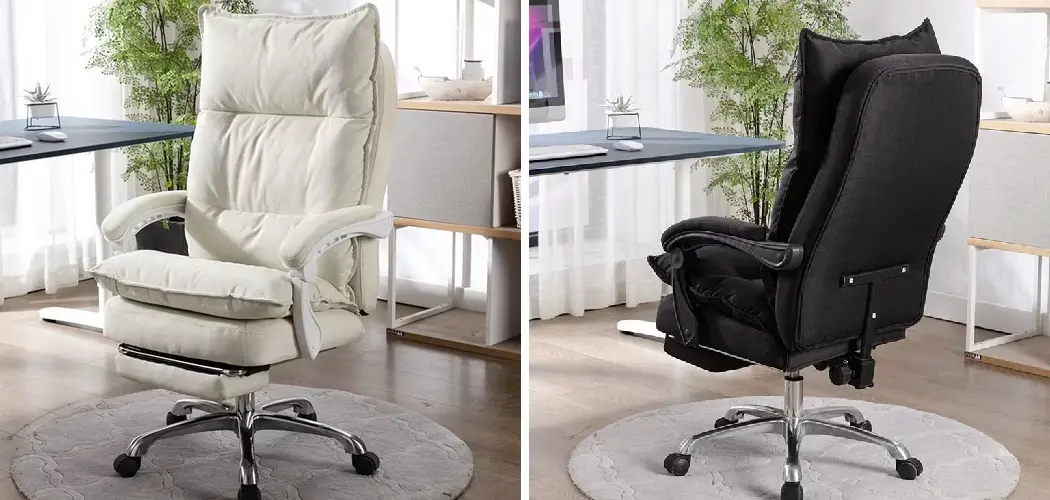
Office chairs, especially those with fabric or leather upholstery, are subjected to daily wear and tear, making them vulnerable to spills, stains, and general deterioration. Waterproofing an office chair is a practical solution that helps maintain its cleanliness and appearance and extends its lifespan significantly.
By creating a protective barrier, waterproofing prevents liquids from seeping into the upholstery, reducing the risk of stains and odors. This is particularly valuable in busy work environments or homes with children and pets.
Learning how to waterproof office chair upholstery is a straightforward process that involves a few simple steps. Start by thoroughly cleaning the chair to remove any dirt or debris. Then, choose a waterproofing product suitable for fabric or leather and carefully apply it according to the instructions. With regular maintenance, this effort ensures that your office chair remains fresh, durable, and well-protected for years to come.
Gathering Materials and Tools
To successfully waterproof your office chair, it’s important to gather all necessary materials and tools beforehand. Here’s what you’ll need and how to choose the right products for the job.
Materials Needed
- Waterproofing spray (specific for fabric, leather, or synthetic material).
- Clean cloths or microfiber towels are used to clean and dry the upholstery.
- Mild detergent or upholstery cleaner to remove dirt and stains before waterproofing.
- Fabric brush (optional for chairs with fabric upholstery to assist with deep cleaning).
Tools Required
- Drop cloth or plastic sheeting to protect the surrounding floor or workspace during application.
- Masking tape to cover non-upholstered areas like chair wheels or metal components, ensuring they remain unaffected.
- Protective gloves (optional but recommended) to shield your skin from chemicals during the process.
Cleaning the Office Chair
Preparing the Chair
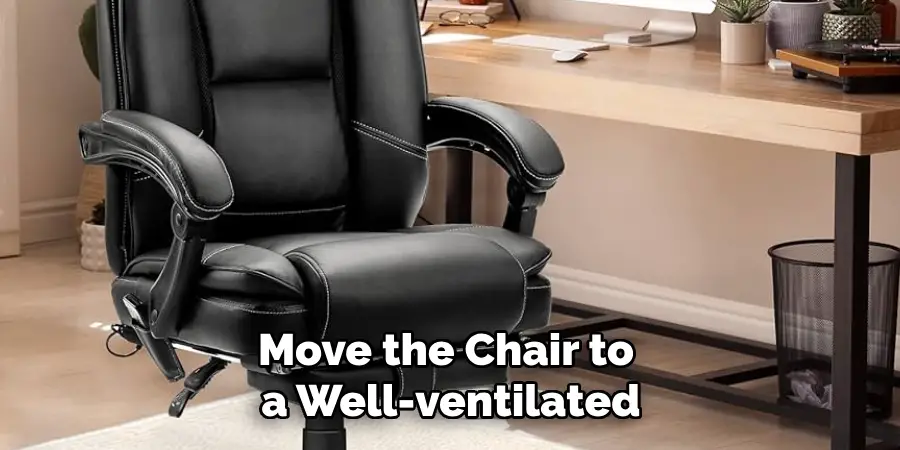
Move the chair to a well-ventilated area or outdoors, especially if you are using spray-based products. Protect the surrounding floor and furniture by laying down a drop cloth or plastic sheeting. This precaution prevents any accidental staining or damage during the cleaning and waterproofing process.
Cleaning Fabric Chairs
Start by thoroughly vacuuming the fabric surface to remove dirt, dust, and debris. Pay special attention to seams and crevices where particles tend to accumulate. Mix a mild detergent with warm water and use this solution to gently clean the fabric. Use a soft cloth or sponge to apply the mixture, working in circular motions, and be careful not to saturate the material.
Once cleaned, wipe down the fabric with a damp cloth to remove any soap residue, avoiding excessive moisture. Allow the fabric to air dry completely before proceeding to the next step.
Cleaning Leather or Synthetic Chairs
To clean leather or synthetic chairs, dry the surface with a damp cloth to remove dust or dirt. Use a cleaner specifically formulated for leather or synthetic materials if the chair has deeper stains or grime. Apply the cleaner according to the product instructions, and then gently clean the area with a soft cloth.
Once finished, use a dry, lint-free cloth to thoroughly dry the surface, ensuring no moisture remains. Proper drying will help maintain the material’s integrity and prepare it for further treatment.
Preparing the Chair for Waterproofing
Taping Off Non-Upholstered Areas
Before you begin the waterproofing process, protecting the non-upholstered parts of your office chair is essential. Use masking tape to carefully cover components like the chair’s wheels, metal base, and armrests. This step ensures that these areas remain unaffected by the waterproofing spray, as contact with the product could alter their finish or functionality.
Take your time to apply the tape securely and press down the edges to prevent any spray from seeping through.
Test the Waterproofing Spray
After taping off non-upholstered sections, conduct a patch test before treating the entire chair. Choose a small, inconspicuous area of the upholstery—such as the back edge or underside—and apply a light spray of the waterproofing product. Allow the test spot to dry completely, and then inspect it for any signs of discoloration, damage, or a pungent smell.
This precautionary step is vital for ensuring that the product is safe and compatible with the specific material of your office chair. If the tested area shows no issues, you can confidently waterproof the rest of the chair.

How to Waterproof Office Chair: Applying the Waterproofing Spray
Choosing the Right Application Method
An even and light spray ensures uniform coverage across the upholstery for most waterproofing products. Before beginning, always read and follow the manufacturer’s instructions on the product label to achieve the best results for your specific chair material. Proper application is crucial for long-lasting effectiveness and protection.
Spraying Fabric Upholstery
Hold the spray can approximately 6-8 inches away from the surface to waterproof fabric upholstery. Spray consistently, sweepingly covering the entire fabric lightly and evenly. Avoid soaking the material, as excessive product can lead to uneven drying or discoloration. Once the first coat is applied, allow it to dry thoroughly before deciding if a second coat is necessary.
Applying a second layer can enhance the coverage and durability of the waterproofing effect, especially for chairs exposed to heavy use or potential spills.
Spraying Leather or Synthetic Upholstery
The application process varies slightly for leather or synthetic materials to prevent damage. Hold the spray can about 6 inches away and lightly mist the surface. Immediately after spraying, use a clean, soft cloth to wipe off any excess product to avoid stains, streaks, or visible residue. Ensure the waterproofing spray has been evenly distributed and that no pooling occurs, as this can affect the material’s appearance or feel.
Allow the leather or synthetic upholstery to absorb the product fully.
Drying Time
Regardless of the material, allowing the chair to dry completely is essential. Refer to the product label for specific drying times, which typically range from 2-6 hours, depending on the formula. Avoid using or sitting on the chair before it is fully dry to ensure the waterproofing is properly set. This step guarantees effective protection and prevents unwanted transfer of the product to clothing or skin.

Curing the Waterproofing
Allowing Full Drying Time
Allow the waterproofing treatment to cure fully before using the chair. Curing times vary by product and typically range from 24 hours to a few days. During this period, ensure the chair is placed in a well-ventilated area to promote even drying and prevent any lingering odors. Avoid exposing the chair to extreme temperatures or direct sunlight, as these conditions can impact the effectiveness of the waterproofing treatment.
Patience during this step is key to achieving long-lasting protection.
Testing Waterproofing Effectiveness
Once the chair has fully dried and the waterproofing has cured, it is important to test its effectiveness. Lightly spray a small amount of water onto the fabric or leather surface. If the water forms beads and rolls off, the waterproofing has been successfully applied. However, if water begins to soak into the material, this may indicate the need for an additional coat of waterproofing spray.
Reapply as necessary, following the same careful steps, to ensure optimal protection for your chair against spills and moisture.
Maintaining the Waterproofing
Regular Cleaning
To keep your chair looking its best and ensure the waterproofing remains effective, routine cleaning is essential. For fabric chairs, vacuum the surface regularly to remove dust, debris, and other particles that can degrade the material over time. Address spills promptly by spot-cleaning with a damp cloth and mild detergent, ensuring the area dries thoroughly afterward.
For leather chairs, use a soft, damp cloth to wipe down the surface to eliminate dust and dirt, preventing buildup that could compromise the chair’s durability and appearance.
Reapplying Waterproofing
Over time, the waterproofing layer may gradually wear off due to regular use and exposure to environmental factors. To maintain optimal protection, monitor your chair for signs that the waterproofing is diminishing. A clear indicator is when water no longer beads up and rolls off the surface. If this occurs, it is time to reapply the waterproofing spray, following the same careful steps used during the initial application.
For best results, aim to reapply annually or sooner if needed, especially in high-use areas. Consistent maintenance and reapplication will help extend the life of your chair and preserve its resistance to moisture and spills.

Conclusion
Waterproofing an office chair is a simple yet effective way to enhance its durability, cleanliness, and longevity. By creating a protective barrier, you can guard your chair against spills, stains, and daily wear, keeping it in excellent condition for years. The process is straightforward and involves three main steps: thoroughly cleaning the chair to remove dirt and debris. Next, apply a waterproofing spray evenly across the surface, ensuring complete coverage.
Finally, maintain the protective layer by monitoring for signs of wear and reapplying the waterproofing spray as needed. Whether you have a fabric or leather chair, these steps will help preserve its appearance and functionality if you’re wondering how to waterproof office chair surfaces, consider this an essential routine for keeping your furniture fresh and protected. With a little time and effort, your office chair will stay fresh and protected, even with daily use.
