
Are you seeking a creative solution for that open doorway in your home or office? Sometimes, a traditional door doesn’t make sense—whether you’re saving space, seeking extra style, or working within a budget. Many homeowners face the challenge of wanting privacy or decorative flair for a doorway without actually installing a standard door. Luckily, several attractive and practical alternatives exist that can easily match your unique taste and needs.
Exploring alternatives to doors can transform your space while adding functionality and personality. This guide on how to cover a doorway without door outlines a variety of methods, from simple fabric hangings to functional sliding panels. Whether you want a temporary solution, an artistic feature, or a semi-permanent change, you’ll find step-by-step instructions and helpful tips below. Let’s get started on making your doorway both useful and beautiful—no traditional door required!
10 Step-by-step Guidelines on How to Cover a Doorway Without Door
Step 1: Assess Your Space and Purpose
Before choosing a covering for your doorway, take some time to assess your space carefully. Consider the dimensions of the opening, the general decor of the room, and how much privacy or soundproofing you really need. Measuring the width and height is crucial to ensure a good fit for whatever covering you choose.
Ask yourself why you want to cover the doorway—are you simply seeking a bit of separation, blocking a view, or hoping for full privacy? Knowing this will help you select the right option, whether it’s a light curtain or a more robust panel. Careful consideration at this stage prevents issues later in the process.
Step 2: Choose the Right Covering Material
After understanding your needs, explore the wide range of materials available. Curtains can be soft and decorative, while beaded strands or macramé provide an artistic touch. For a more substantial covering, consider sliding panels, folding screens, or even repurposed barn doors. Each option can drastically change the room’s atmosphere.
Keep in mind the durability, maintenance, and how each material fits in with your existing decor. For instance, sheer fabrics allow more light through, while heavier fabrics can dim a room and offer more privacy. Take some time to compare materials in person or online before making a purchase.
Step 3: Install a Curtain Rod or Track
If you opt for fabric or string coverings, you’ll need a proper support system. Curtain rods and tracks are common choices and come in various finishes and sizes to suit your style. Measure your doorway again to pick out a rod that fits perfectly, ensuring it will securely support the weight of your covering.

Installation usually involves drilling a few holes into the wall or the frame above the doorway—just follow the manufacturer’s instructions. Make sure the rod is level and securely mounted to prevent future accidents or sagging. If you’re renting, consider tension rods that won’t damage the walls.
Step 4: Hang Your Curtain, Beads, or Panels
With your support system in place, you can now hang your chosen covering. Begin by ironing or steaming out any wrinkles to give it a crisp, clean look. Slide the curtain or panels onto the rod, or carefully attach beaded strands as needed.
Ensure everything hangs evenly and check that the bottom just grazes the floor or hovers slightly above, depending on the desired style. Adjust the width for fullness—sometimes, using two panels instead of one creates a richer effect. Make minor tweaks as needed so the covering naturally blends with the space.

Step 5: Add Tiebacks or Holdbacks
Tiebacks provide flexibility by letting you draw the covering to the side during the day or when you want to open up the space. You can purchase decorative tiebacks or make your own from materials like rope, ribbon, or fabric strips. Install hooks on each side of the doorway at a comfortable height for easy access.
Using tiebacks or holdbacks also adds a touch of sophistication and allows natural light to flow when desired. Experiment with different tying styles—casual knots for a relaxed feel or elegant loops for a more formal touch. With this simple addition, your covering becomes dynamic and even more functional.
Step 6: Consider a Folding Screen or Room Divider
If you want a temporary or flexible solution, a folding screen is an excellent choice. These dividers come in various materials—wood, fabric, metal, or bamboo—so you can easily find one that suits your aesthetic. They’re especially great for renters or situations where you don’t want to make permanent changes to the home.
To use a folding screen, simply set it up across the doorway and adjust the angle for more or less coverage. When it’s not needed, fold it flat and store it out of the way. Folding screens can be repainted or redecorated over time, giving you plenty of design freedom.
Step 7: Repurpose Sliding Panels or Barn Doors
For a more robust, semi-permanent option, sliding panels or barn doors can make a stylish statement. These systems are mounted on tracks installed above the doorway, enabling the panel to slide open or closed as needed. Sliding barn doors are especially popular for those seeking a rustic or modern farmhouse look.
Installation can be more involved, often requiring anchors and strong brackets. Check your wall’s structure to ensure it can support the weight, and consider enlisting professional help if needed. Once installed, these doors are easy to operate and add architectural interest to any room.

Step 8: Install a Tension Rod for Lightweight Coverings
Not interested in drilling into walls? Tension rods are a fantastic non-permanent option for lightweight curtains or fabric panels. These rods expand to fit snugly between the sides of your doorway, holding themselves in place with spring tension.
They are quick to install and remove, perfect for renters or if you plan on changing your decor often. Tension rods work best for light to medium-weight fabrics, and you can always upgrade to a regular rod in the future if your needs change. Make sure to pick the appropriate size and test the fit before hanging anything.
Step 9: Personalize with Decorative Accents
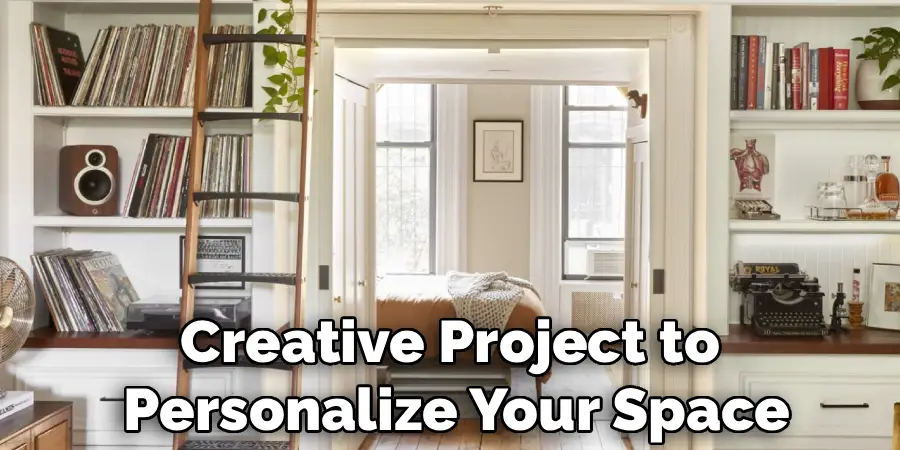
Don’t forget those finishing touches! Accessories like decorative finials on curtain rods, patterned or textured fabrics, or embellishments like tassels and trims can elevate the look of your doorway covering. Personalization makes your entryway unique and reflects your own sense of style.
You might also incorporate lighting, like fairy lights woven through fabric or beads, to create a cozy ambiance. Think creatively—stencils, fabric paint, or even small hanging planters can be added for extra flair. The right accents can make all the difference and turn a practical solution into a statement piece.
Step 10: Maintain and Clean Regularly
To keep your doorway covering looking its best, it’s important to care for it regularly. Different materials require different cleaning methods; check care labels or manufacturer guidelines for the best approach. For example, most fabric curtains need to be washed or dry-cleaned periodically, while beads can be dusted with a soft cloth.
Maintaining regular upkeep not only preserves cleanliness but also extends the life of your chosen covering. Inspect attachments and hardware for any signs of wear and make replacements as needed. With a little ongoing effort, your doorway solution will continue to look great and function perfectly.
Following these steps on how to cover a doorway without door can be a fun and creative project to personalize your space. Whether you are looking for privacy, style or practicality, there is a solution that will fit your needs and budget.
Additional Tips
- When selecting a covering, keep in mind the level of privacy you want—thicker materials will provide more separation, while lighter ones let in natural light and maintain an open feel.
- Experiment with layering different textures or materials, such as pairing a solid curtain with a sheer overlay, for a more sophisticated look.
- Consider your household’s specific needs; for homes with pets or children, opt for durable and easy-to-clean materials.
- If you’re crafty, DIY your own curtain or beads for a completely custom result that matches your room’s color palette and personality.
- Try to coordinate your doorway covering with other room accents, like cushions, rugs, or wall art, for a cohesive appearance.
- Regularly update coverings or decor to keep your space feeling fresh and welcoming.
Frequently Asked Questions
Q1: What Are the Best Materials for Covering a Doorway Without a Door?
The best materials depend on your priorities, such as privacy, aesthetics, and ease of maintenance. Popular options include heavy fabric curtains for maximum privacy, sheer panels for light diffusion, beaded curtains for a bohemian vibe, and bamboo shades for natural appeal. Sliding panels or barn doors are more robust and suitable for areas where sound reduction is a concern. Consider the room’s function and style before making your choice.
Q2: How Can I Ensure the Covering Is Secure and Won’t Fall Down?
Ensuring a secure installation starts with selecting the right support system for your chosen covering. Curtain rods should be anchored properly, and tension rods must be the correct size for a snug fit. For heavier options like sliding panels or barn doors, follow manufacturer instructions closely and don’t hesitate to consult a professional for mounting. Regularly checking the hardware for wear and tightness will also help keep your installation safe and reliable.
Q3: Are There Temporary Options If I’m Renting or Don’t Want Permanent Changes?
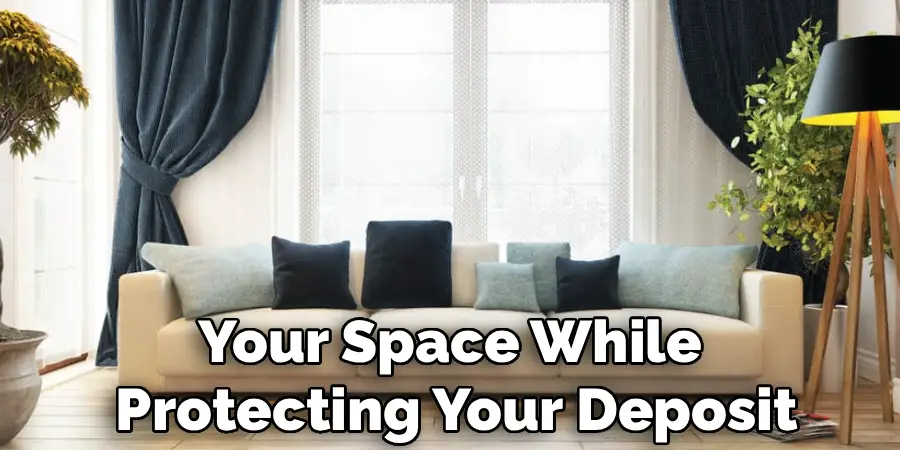
Absolutely! Tension rods are an excellent choice for renters because they don’t require any drilling or permanent alteration to walls. Folding screens and lightweight fabric hangings on adhesive hooks offer temporality and ease of removal. Look for products specifically designed for renters or temporary setups, which can often be found at home improvement or decor stores. These solutions let you personalize your space while protecting your deposit.
Q4: Will Coverings Block Sound or Just Provide Visual Separation?
Most non-door coverings will primarily offer visual separation rather than true soundproofing. Heavier fabrics and sliding doors can help muffle some noise, but they won’t be as effective as a solid door. If sound reduction is a priority, choose thick textiles or dual-layer curtains, and consider adding draft stoppers at the bottom. For complete soundproofing, more permanent solutions may be necessary, but decorative coverings can still contribute to a quieter environment.
Conclusion
Covering a doorway without a traditional door is both a functional and stylistic opportunity. With options ranging from easy-to-install curtains and screens to bold barn doors and personalized decorative ideas, you’re sure to find the right fit for your needs. Think creatively to solve space, privacy, or design challenges—you aren’t limited by convention.
By following these comprehensive guidelines on how to cover a doorway without door and considering your household’s lifestyle, you’ll achieve a polished look that enhances both comfort and efficiency in your living space. Whether you want a temporary fix or a dazzling feature, the right doorway covering awaits. Enjoy the process of transforming your home, and remember: sometimes the best doors are the ones you don’t see at all!
