
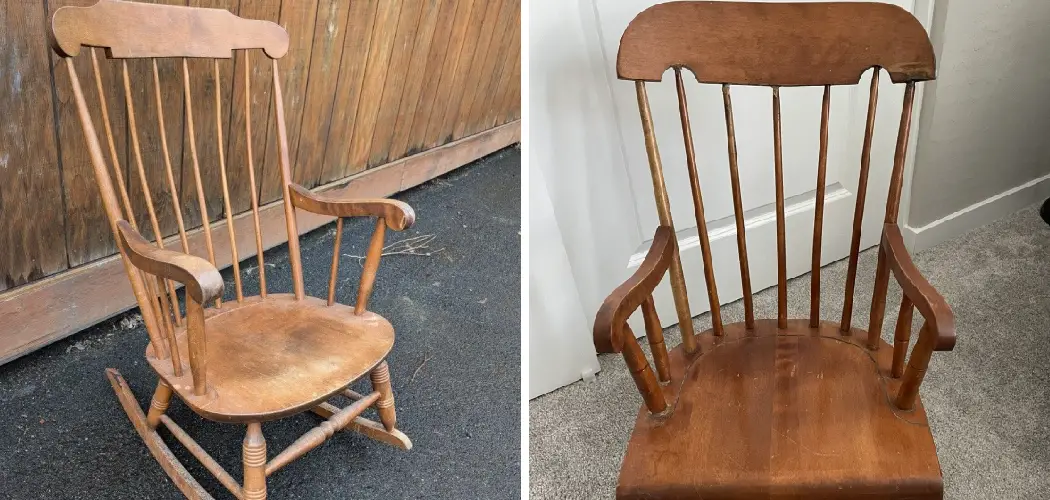
Nichols and Stone is a renowned furniture maker celebrated for its exceptional craftsmanship and timeless designs. Established in the late 19th century, the brand has carved a niche in quality antique furniture, particularly with its iconic rocking chairs. The appeal of a Nichols and Stone rocking chair lies in its sturdy construction, elegant design, and historical significance.

Understanding how to date a Nichols and Stone rocking chair is crucial for discerning collectors and antique enthusiasts alike. Knowing the manufacturing era of these rocking chairs aids in determining their value, appreciating their historical context, and ensuring their preservation for future generations.
This article offers a comprehensive guide to identifying the age of a Nichols and Stone rocking chair through key methods, such as analyzing labels, inspecting construction details, recognizing specific wood types, and studying design elements unique to different time periods.
Understanding Nichols and Stone Furniture
History of Nichols and Stone
Nichols and Stone traces its origins back to the 18th century, making it one of the oldest furniture manufacturers in the United States. Originally established as a small-scale family business, it gained prominence for its dedication to producing finely crafted wooden furniture. By the late 19th century, the company was firmly rooted in Gardner, Massachusetts, a region widely regarded as the “Chair City” for its storied furniture manufacturing tradition.
Over the years, Nichols and Stone became synonymous with quality craftsmanship, carefully blending traditional methods with innovative designs to create functional and elegant pieces. This commitment to excellence propelled the brand to the forefront of America’s antique furniture industry, where it remains celebrated to this day.
Rocking Chair Production
Among its most iconic creations, Nichols and Stone’s rocking chairs occupy a special place in the hearts of collectors and enthusiasts. These chairs are distinguished by their sturdy construction, intricate detailing, and timeless designs, reflecting the company’s dedication to superior craftsmanship. The rocking chairs, in particular, became emblematic of the brand’s ability to combine comfort with style, making them highly sought-after collectibles.
For antique enthusiasts, dating these pieces is invaluable, providing insight into their historical context and helping establish their authenticity and value. Understanding the nuances of their production timeline allows collectors to appreciate the legacy of Nichols and Stone furniture while ensuring its preservation for future generations.
How to Date a Nichols and Stone Rocking Chair: Identifying the Manufacturer’s Label
Early Labels (Pre-1900s)
During the 19th century, Nichols and Stone utilized labels that were often simple and handcrafted, reflecting the artisanal nature of their production at the time. These early labels frequently included handwritten or hand-stamped details, which might show the name of the manufacturer, a location, or even specific information about the piece.

The placement of these labels varied, but they were commonly found on the underside of the seat or beneath a removable component. Due to the variability in design and placement, identifying these labels can be challenging for collectors, but doing so provides a valuable glimpse into the company’s early craftsmanship.
Mid-20th Century Labels
From the early 1900s to the mid-century, Nichols and Stone labels evolved to reflect the growing standardization in manufacturing. Between the 1930s and 1950s, their labels became more refined, often rectangular or oval in shape, and featured a more modern font that clearly displayed the “Nichols and Stone” name. These labels were usually stamped or printed, offering collectors a more structured and easily identifiable marker.
Placement remained consistent on parts like the underside of the seat or backrest. These labels reflect the company’s transition into a more industrialized production process while maintaining its hallmark quality.
Modern Labels (Post-1960s)
After the 1960s, Nichols and Stone adopted a more corporate and standardized approach to labeling. Labels featured sleek, printed designs with consistent fonts, often accompanied by serial numbers or date codes to facilitate tracking and authentication. These labels reinforced the brand’s identity while ensuring easier verification of authenticity.
Placement was refined to ensure better visibility, typically on structural components such as crossbars, backrests, or under the seat.
How to Locate the Label
To identify the label on a Nichols and Stone piece, collectors should inspect commonly used locations such as the underside of the seat, the backrest, or supporting crossbars. A flashlight might be necessary for older pieces to check hidden areas where earlier labels were less standardized in placement.

Carefully examining these spots helps uncover the historical details etched into each piece, providing a clearer picture of its origin and time period.
How to Date a Nichols and Stone Rocking Chair: Using Serial Numbers and Date Codes
Understanding Serial Numbers
Serial numbers, when present, offer crucial insights into the history and production timeline of Nichols and Stone furniture. These codes, typically a combination of letters and numbers, were used to identify specific production runs or individual pieces. For instance, the letters might denote the model or style, while the numbers could indicate batch or sequence information.
By decoding this alphanumeric system, collectors and historians can narrow down the year or even the month of production, providing additional context to the piece’s origin.
Date Codes
Throughout the 20th century, Nichols and Stone introduced the use of date codes or stamps to assist in identifying the year of manufacture. These codes, often formatted as a four-digit number or a simple year stamp, directly reference the production date. For example, a piece stamped with “1974” clearly corresponds to that year, while some codes might require cross-referencing with company registers or guides for verification.
These date markings not only ensure traceability but also enhance the authenticity and collectible value of the furniture.
Where to Find Serial Numbers or Date Codes
To locate serial numbers or date codes on Nichols and Stone furniture, examine areas such as the back of the seat, the underside of a rocker, or hidden sections of supporting components. These placements were chosen to remain discreet while allowing easy access during inspection. A careful review, sometimes with the aid of a flashlight, is often required to detect faint or worn markings on vintage pieces.
Identifying these details is pivotal to understanding a piece’s production history.
Comparing the Chair’s Features to Catalogs and Archives
Accessing Nichols and Stone Archives
For collectors and enthusiasts looking to research Nichols and Stone furniture, accessing company archives or old catalogs can provide invaluable insights. Resources such as museum collections or historical archives often house catalogs, advertising materials, and other documents that detail the furniture’s production history.
Some institutions specializing in furniture or design history may hold curated records, while online repositories like academic databases or dedicated history organizations might also feature related materials. Reaching out to local historical societies or museums in the area where Nichols and Stone operated can uncover unique resources.

Using Old Catalogs for Comparison
Historical catalogs are powerful tools for comparing features and design elements of your Nichols and Stone chair with those from a specific era. These catalogs typically include detailed illustrations, photographs, model numbers, and descriptions of the company’s various products. By identifying aspects such as wood type, finish, carving details,
and structural features, collectors can match their chairs to documented designs and verify their authenticity. Such comparisons can also help identify distinct design trends or material choices specific to certain decades or years.
Online Resources and Antique Dealers
The internet offers a wealth of resources for Nichols and Stone furniture enthusiasts. Online platforms like antique forums, discussion groups, and auction websites often feature knowledgeable communities willing to share their expertise. Websites dedicated to antique furniture may also include searchable archives or guides for dating Nichols and Stone pieces.
Additionally, consulting antique dealers specializing in furniture from the company can provide accurate appraisals and historical context. Dealers may also know of rare catalogs or possess the expertise to match your chair’s features to its era.
Professional Evaluation
Consulting Experts
Consulting professional appraisers or antique furniture experts is highly recommended for a precise assessment of your Nichols and Stone chair. These specialists possess in-depth knowledge of the company’s history, furniture-making techniques, and design trends. By examining elements such as construction methods, hardware, and stylistic details, they can accurately determine the chair’s production date and authenticity.
An expert evaluation also offers insights into your piece’s estimated monetary value, considering its condition, rarity, and market demand. Engaging an expert is an invaluable step for collectors seeking a definitive evaluation.
Antique Furniture Auctions
Additionally, contacting auction houses specializing in antique furniture can be a practical resource. These institutions often have experienced staff who can appraise and authenticate your chair. Auction houses not only help establish the value and age of the piece but also provide opportunities to sell or purchase similar items, connecting collectors through reputable sales events.

Conclusion
Dating a Nichols and Stone rocking chair requires a combination of methods, including examining labels, construction techniques, design features, serial numbers, and consulting historical catalogs or experts. Careful inspection and thorough research are essential to accurately determine its age and authenticity.
Comparing the details of your chair with verified references provides deeper insights into its history and significance. Understanding how to date a Nichols and Stone rocking chair adds value to the piece and helps preserve its historical importance for future generations to appreciate and enjoy.
