

A crunchy office carpet can be more than just an annoying inconvenience—it may affect the comfort, cleanliness, and even the professional appearance of your workspace. Over time, office carpets accumulate dust, spills, and residue from cleaning products, all of which can contribute to an unpleasant crunch underfoot. Ignoring the issue may lead to greater damage, decreased longevity of the carpet, and potential health concerns for staff.

Addressing the problem promptly can restore the softness and resilience of your carpet, making your office feel welcoming and well-maintained again. Luckily, you don’t have to immediately replace your carpet or spend a fortune to fix the issue. With the right approach, most crunchy carpets can be revived through a series of practical steps. This guide will walk you through everything you need to know.
Whether you’re an office manager, a facilities staff member, or an employee who’s tired of the underfoot crunch, the following article on how to fix crunchy office carpet will help you tackle the problem head-on. From understanding the causes to following an effective cleaning protocol, you’ll get comprehensive guidance on every aspect. By the end, you will know whether the job is manageable in-house or if it’s time to call a professional.
Let’s get started on fixing that crunchy office carpet and restoring comfort beneath your feet.
8 Simple Step-By-Step Guidelines on How to Fix Crunchy Office Carpet
Step 1: Identify the Source of the Crunch
Before you begin any cleaning or maintenance on your office carpet, it’s essential to pinpoint the source of the crunchiness. Is it caused by residue from cleaning agents, spilled beverages, ground-in dirt, or moisture that has dried beneath the fibers? Take a close look and even walk across different sections of the carpet to notice if certain spots feel worse than others.
Knowing the cause can help you tailor your cleaning process for the best results. For example, if the crunch is due to dried-up cleaning products, a different approach would be necessary than if it’s due to soda or juice spills. Diagnose thoroughly so you don’t waste effort or further compromise the carpet’s condition.
Step 2: Vacuum Thoroughly
One of the main reasons carpets feel crunchy is the buildup of dirt and debris within the fibers. Begin by vacuuming the entire area slowly and methodically, making sure to cover each section multiple times. Use a vacuum cleaner with a HEPA filter and adjustable brush settings to reach deep into the pile.
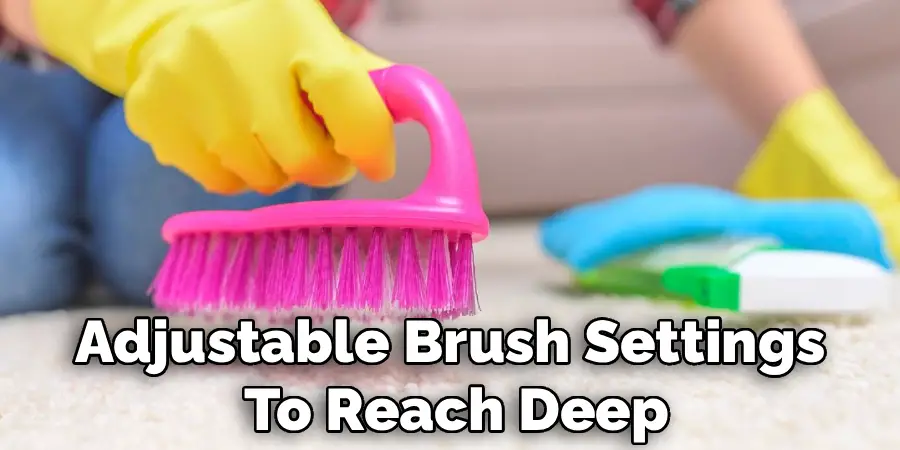
Pay special attention to high-traffic areas and corners where dust tends to accumulate. Vacuuming not only removes loose dirt but also lifts the carpet fibers, beginning the process of softening them up. This preparatory step is crucial and should never be skipped, as it lays the foundation for deeper cleaning.
Step 3: Apply a Carpet Cleaning Solution
After vacuuming, select a gentle carpet cleaning solution that is suitable for your carpet type. You can choose a commercial product or make a DIY solution using white vinegar and warm water (mix one part vinegar with two parts water). Lightly spray the affected areas, being careful not to oversaturate the carpet.
Allow the solution to sit for 10-15 minutes. This soaking period helps to break down the sticky residues often responsible for crunchiness. The carpet should feel damp but not soggy; too much moisture can lead to mold or mildew. Remember, even spread and careful application are key.
Step 4: Gently Scrub the Carpet
Using a soft-bristle brush or a microfiber cloth, gently scrub the wet carpet. Work in small sections and use a circular motion to help loosen the residue and dirt from the fibers. Do not use excessive force, as aggressive scrubbing can damage the carpet and make the problem worse.
After scrubbing, inspect the carpet to ensure no areas have been missed. If some zones are particularly crunchy, repeat the application and scrubbing as needed. Take your time during this step—thoroughness leads to better results and a softer finish.
Step 5: Rinse with Clean Water
After scrubbing, it’s vital to remove both the cleaning solution and loosened contaminants from the carpet. Use a clean spray bottle filled with plain water and lightly mist the treated sections. Immediately blot each area with dry, absorbent towels to lift out as much moisture and residue as possible.
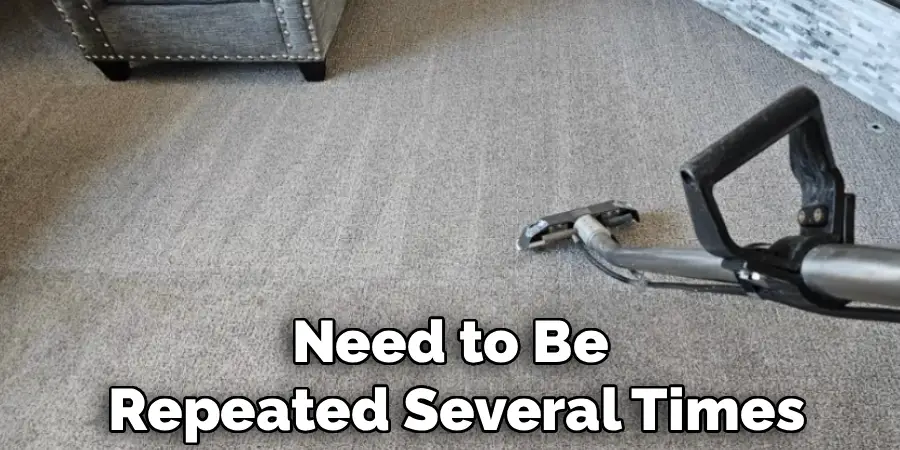
This process might need to be repeated several times until you are sure there is no cleaning agent left in the fibers. Failing to remove all residue is a common cause of recurring crunchiness, so be diligent with your rinsing and blotting for optimal results.
Step 6: Extract Water Using a Wet/Dry Vacuum
Residual moisture left in the carpet fibers can make carpets crunchy as they dry. Use a wet/dry vacuum to remove as much water as possible after rinsing. Move the vacuum across the carpet slowly, paying extra attention to high-traffic and problem spots.
If you don’t have a wet/dry vacuum, you can use thick towels to blot and press out excess moisture, but this may not be as effective. The more water you extract, the faster the carpet will dry and the less likely it is to develop a crunchy texture afterward.
Step 7: Dry the Carpet Completely
Allowing the carpet to dry thoroughly is essential to prevent mildew and further crunchiness. Open windows, turn on fans, or use a dehumidifier to speed up the drying process. It’s best to block off foot traffic until the carpet is entirely dry to avoid re-soiling or compressing damp fibers.
Depending on the humidity and ventilation of your office, drying may take several hours or even up to a day. Inspect the carpet periodically and feel for any residual dampness before allowing people back into the area. Proper drying is crucial for restoring softness.
Step 8: Fluff Carpet Fibers and Inspect
Once the carpet is dry, use a carpet rake or a clean, soft-bristled brush to lift and fluff the fibers. This step helps to restore the carpet’s original texture and appearance, making it feel soft and inviting again underfoot. Move the rake or brush gently in different directions for best results.
After fluffing, walk over the carpet and check for any remaining crunchy spots. If you find areas that are still problematic, you may need to repeat some of the previous steps. Celebrating a job well done, you’ll now enjoy a much softer and more comfortable office carpet.
Following these steps on how to fix crunchy office carpet, you can keep your office carpets looking and feeling fresh for a long time. Regular vacuuming and deep cleaning will help to prevent dirt particles from accumulating in the fibers of the carpet, keeping it soft and plush.
Do You Need To Use Professionals?
While it’s possible to address minor crunchiness in office carpets on your own, there are times when calling in professionals makes sense. If you’ve tried cleaning the carpet yourself and the crunchiness persists, or if the carpet covers a large area with high foot traffic, professional services may be more effective and time-efficient. Professionals use specialized equipment and advanced cleaning techniques that can penetrate deeper into the fibers than most consumer products allow.
Additionally, for stains caused by harsh chemicals, biohazards, or water damage, professional intervention is highly recommended. This ensures the safety, longevity, and appearance of the carpet as well as the health of everyone in the office. Commercial cleaning experts can also apply protectants or conditioners that help prevent future problems and make ongoing maintenance easier.
Choosing to work with a professional service offers peace of mind and often yields longer-lasting results. While it’s an extra expense, the benefits in terms of the soft feel and fresh appearance of your carpet could make the investment worthwhile. Always research and choose reputable companies with solid reviews and appropriate certifications.
How Much Will It Cost?
The cost of fixing a crunchy office carpet can vary widely based on the size of the area, the type of carpet, and whether you choose DIY or professional cleaning. For small offices or single rooms, DIY solutions—including cleaning agents, rental machines, or simple supplies—could cost as little as $30 to $100. Larger offices or severe problems often require more time and resources, bumping up costs.

If you hire a professional carpet cleaning company, expect to pay between $0.25 and $0.50 per square foot, with minimum charges of around $100 to $150. The extent of the problem and any necessary special treatments—like deep extraction or deodorizing—can further influence the final bill. Some companies may offer volume discounts for larger spaces.
Though professional services are more expensive, they often provide superior results and reduce the likelihood of future problems. Factor in the long-term savings from extending your carpet’s lifespan and improving indoor air quality. Compare quotes from several vendors before making a final decision to ensure competitive pricing and high-quality service.
Frequently Asked Questions
Q1: What Causes Office Carpets To Become Crunchy?
Several factors can lead to carpets feeling crunchy, especially in offices with high foot traffic. The most common culprits are residues from improper cleaning, spillage of liquids like sodas or coffee, and accumulation of dirt or debris over time. Sometimes, using too much cleaning agent or failing to rinse thoroughly after cleaning can leave a sticky, crunchy texture.
Other causes may include hard water minerals,or in some cases, mold or mildew growth beneath the carpet if spills are not addressed promptly. Recognizing the underlying issue is essential before embarking on any cleaning process. A well-maintained cleaning schedule can help prevent this problem from recurring.
Q2: Is Crunchy Carpet Dangerous For Office Health?
While a crunchy carpet may seem like a mere annoyance, it could indicate underlying issues that are detrimental to office health. For example, the buildup of mold, mildew, or allergens can impact air quality and potentially lead to respiratory discomfort or allergic reactions among staff. Moist areas that don’t dry properly invite bacteria and other microbes to thrive.
Addressing the cause of crunchiness promptly not only improves comfort but also prevents health risks. Always make sure that any cleaning products used are non-toxic and that carpets are fully dried after treatment. Regular inspections can help catch problems early.
Q3: How Often Should Office Carpets Be Cleaned To Prevent Crunchiness?
Routine maintenance is vital for keeping office carpets soft and extending their lifespan. As a rule of thumb, carpets should be vacuumed several times a week in high-traffic areas and deep cleaned professionally at least once or twice a year. If food or beverages are commonly consumed in the workspace, more frequent spot cleaning may be necessary.
Regular cleaning prevents dirt, residue, and moisture from building up and causing that unpleasant crunchy feel underfoot. Establishing a cleaning calendar and educating staff on immediate spill cleanup can make a big difference. Preventive care is the best approach to avoid returning crunchiness.
Conclusion
A crunchy office carpet isn’t just uncomfortable—it can be a sign of underlying hygiene or maintenance issues. By understanding the causes and following a systematic, step-by-step cleaning regimen, you can restore softness and extend the life of your office flooring. Whether you tackle this problem on your own or hire professionals, addressing the issue sooner rather than later will ensure a more pleasant and productive workspace for everyone.
Maintaining a clean, fresh carpet shows attention to detail and respect for those who spend time in the office. With proper techniques and a little diligence, you can keep your office carpet soft, hygienic, and inviting all year round. Don’t let a little crunch ruin the comfort and aesthetics of your daily environment—take actionable steps today! Thanks for reading this guide on how to fix crunchy office carpet.
