
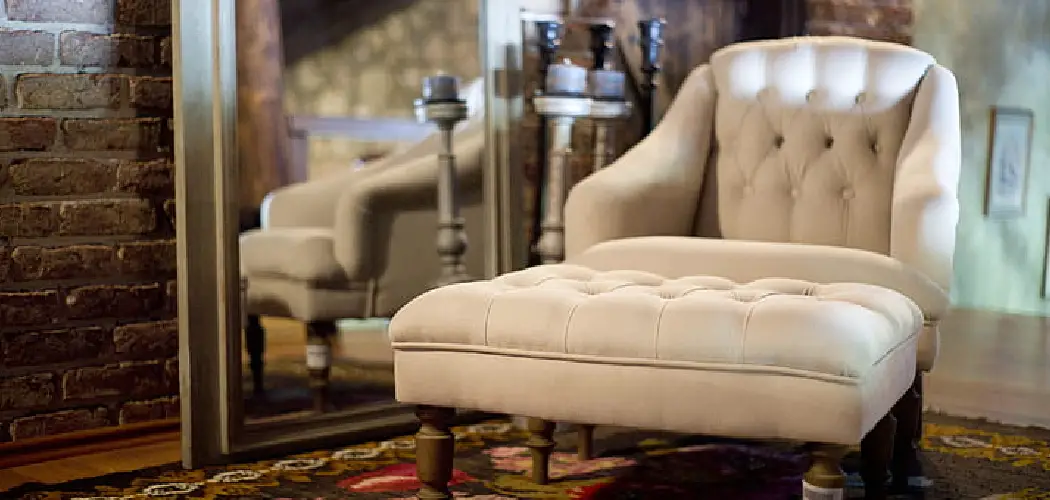
Removing Vaseline from upholstered chairs can be daunting due to its greasy and sticky nature, making it prone to spreading and sinking deeper into the fabric.
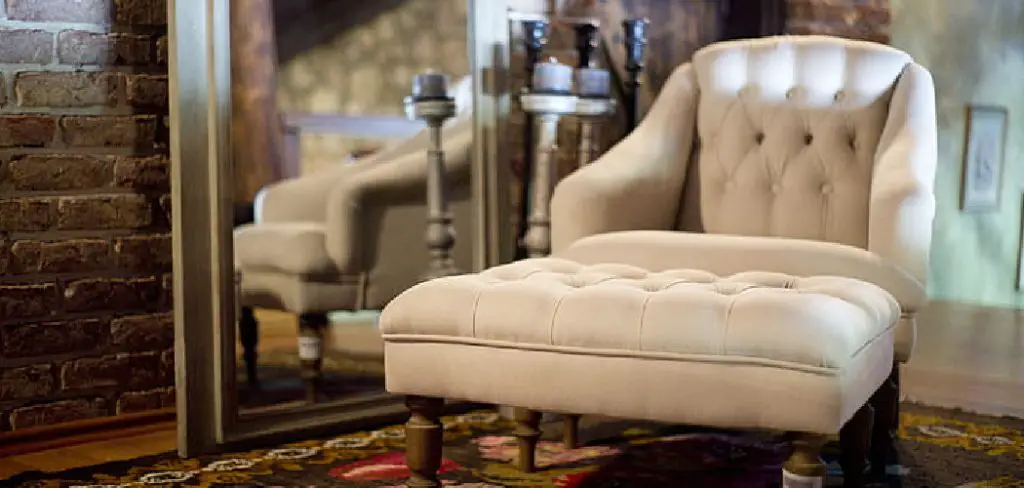
This type of stain requires careful handling, as using the wrong approach may worsen the situation or damage the upholstery. Quick action is crucial to prevent long-term effects and ensure the stain doesn’t set permanently. If you’ve been searching for solutions on how to get Vaseline out of upholstered chair, this guide is here to help.
We’ll walk you through a step-by-step process to tackle this issue effectively. We’ve covered everything from identifying the extent of the stain to removing excess Vaseline and cleaning with common household products.
Additionally, you’ll learn how to maintain and protect your upholstery to reduce the risk of future stains. With these practical steps, you can restore your chair to its original condition with ease.
Understanding the Stain
What Makes Vaseline Challenging?
Vaseline is an oil-based product, making it particularly difficult to remove from upholstered fabrics. Its greasy composition tends to adhere tightly to fabric fibers, creating a stain that can be stubborn and resistant to conventional cleaning methods.
If not treated promptly and correctly, Vaseline can spread further when smeared, making the stain larger and more difficult to manage. Additionally, the oily residue can easily attract dirt and debris, exacerbating the problem and leaving the upholstery looking even worse over time.
Assessing the Damage
Before starting the cleaning process, it’s crucial to carefully assess the extent of the stain. Determine the size and depth of the affected area to tailor your cleaning approach accordingly.
Check if there are any other substances, such as dirt or spills, mixed with the Vaseline, as these may require additional cleaning steps. Understanding the stain thoroughly will help you achieve the best results.
Removing Excess Vaseline
Scraping Off Excess
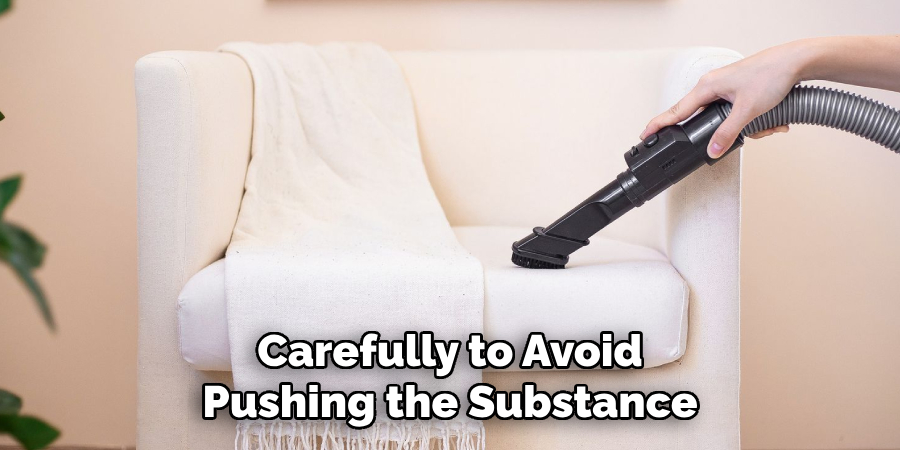
To begin, use a dull knife or the edge of a credit card to gently scrape off as much Vaseline as possible from the upholstery. Work carefully to avoid pushing the substance further into the fabric fibers, making the stain more difficult to remove.
Hold the tool at a slight angle and work in small sections to lift the Vaseline effectively. Always proceed with caution to avoid damaging the upholstery material.
Blotting the Area
Once you’ve removed as much Vaseline as you can by scraping, the next step is to blot the affected area. Use a clean paper towel or cloth to gently press against the stain, absorbing any remaining grease. Be sure to blot rather than rub the area, as rubbing could cause the oily residue to spread over a larger surface and further embed into the fabric.
Replace the paper towel or cloth as needed to ensure you’re not reapplying grease during the process. This initial effort helps to minimize the stain and prepare the fabric for the next step in the cleaning process.
How to Get Vaseline Out Of Upholstered Chair: Using Household Cleaning Solutions
Step 1: Cornstarch or Baking Soda
Start by sprinkling a generous amount of cornstarch or baking soda directly over the stain. These household items serve as effective grease absorbers, helping draw out the oily residue from the fabric. Allow the powder to sit on the stain for 15–20 minutes to give it enough time to work.
Afterward, use a vacuum to thoroughly remove the cornstarch or baking soda from the upholstery. Ensure no residue is left behind before proceeding to the next step, as lingering powder could interfere with the cleaning process.
Step 2: Dish Soap Solution
Prepare a simple dish soap solution by mixing a few drops of dish soap with warm water in a small bowl or container. Once mixed, dip a clean, soft cloth into the solution, ensuring it is damp but not soaking wet. Gently dab the stained area with the soapy cloth.
Avoid scrubbing, as this could drive the grease deeper into the fibers or spread the stain further. After treating the stain, use another clean, damp cloth to carefully rinse any soap residue from the fabric. Allow the area to air dry fully before assessing if additional cleaning is needed.
Step 3: Vinegar Solution (Optional)
Consider using a vinegar solution as a final attempt for particularly stubborn stains that refuse to lift after the previous steps. Combine equal parts white vinegar and water in a small container. Blot the stained area with the vinegar solution using a clean cloth, focusing on breaking down the remaining grease.
Once finished, rinse the area thoroughly with a damp cloth to remove any traces of vinegar. Dry the upholstery properly afterward to avoid any lingering odors or moisture. This method is especially effective for set-in stains, providing a natural yet powerful cleaning aid.
How to Get Vaseline Out Of Upholstered Chair: Deep Cleaning for Persistent Stains
Steam Cleaning
A handheld steamer can be an effective tool for grease stains that persist despite earlier efforts. The heat from the steam helps to loosen the grease, making it easier to lift from the upholstery fibers. Hold the steamer a few inches away from the stained area, allowing the steam to penetrate without soaking the fabric.
After steaming, immediately blot the area with a clean cloth dampened in soapy water. This technique combines the power of heat and gentle cleaning to target even the toughest grease stains.
Upholstery Cleaner
Another option for deep cleaning persistent stains is to use a fabric-safe upholstery cleaner. Choose a cleaner that is suitable for your upholstery material, and follow the product instructions carefully. Apply the cleaner directly to the stained area in a small amount, avoiding oversaturation.
Gently scrub the surface with a soft-bristle brush to work the cleaner into the fibers and break apart the grease. After scrubbing, use a clean, damp cloth to remove any leftover cleaner residue and allow the fabric to air dry completely. Upholstery cleaners are especially handy for stubborn or set-in stains, providing a focused and effective solution while ensuring the protection of your furniture.
Drying the Upholstery
Blotting Excess Moisture
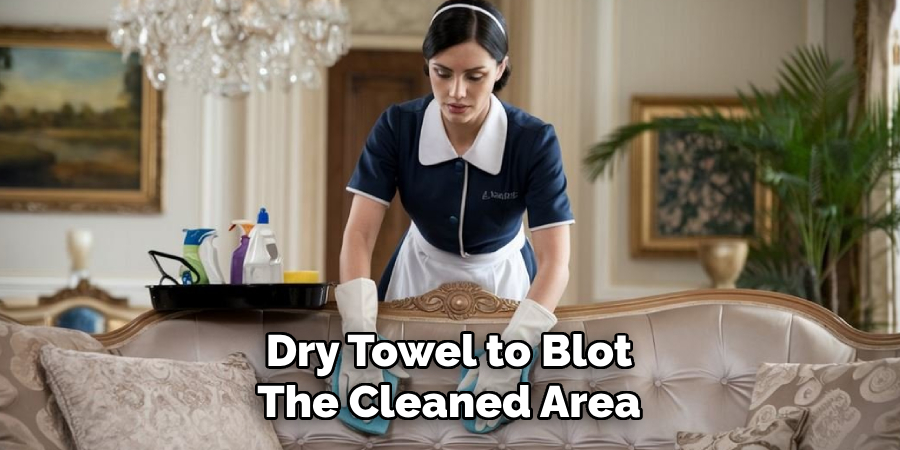
After cleaning the upholstery, it is essential to remove any remaining moisture to prevent watermarks or mold growth. Use a clean, dry towel to blot the cleaned area gently. Avoid rubbing, as this could spread moisture deeper into the fabric or damage delicate fibers. Focus on absorbing as much moisture as possible to accelerate the drying process.
Air Drying
Once you’ve blotted the area, allow the upholstery to air dry completely. Place the chair in a well-ventilated space to ensure proper airflow around the fabric. Position a fan nearby to help circulate air and speed up drying if possible.
Avoid placing the upholstery in direct sunlight, as prolonged exposure can cause fading or discoloration, especially in vibrantly colored fabrics. Taking the time to ensure thorough and careful drying protects your upholstery and keeps it looking fresh and resilient.
Preventing Future Stains
Maintaining the pristine condition of your upholstery involves taking proactive measures to protect it from future stains.
Protective Covers
One of the easiest ways to safeguard your furniture is by using washable slipcovers or upholstery protectors. These covers act as a barrier, preventing spills and dirt from directly contacting the fabric. Choose machine-washable covers for convenience, allowing you to refresh them easily after an accident or routine use.
Regular Maintenance
Consistency is key when it comes to extending the life of your upholstery. Make a habit of vacuuming the chair weekly using an appropriate attachment to remove dust, crumbs, and debris that can accumulate over time.
Address spills and stains promptly by blotting the affected area and cleaning it with a recommended solution. Quick action prevents damage and makes cleaning less arduous in the long run.
Using Fabric Protectors
Applying a fabric-safe stain repellent creates an invisible shield on your upholstery, making it harder for spills to penetrate the material. These protectors help liquids bead up on the surface, allowing you more time to clean up accidents before they soak in. For best results, reapply the product periodically, following the manufacturer’s recommendations.
By implementing these preventative steps, you can keep your furniture looking fresh and minimize the risk of long-term damage.
When to Seek Professional Help
Persistent Stains
If a stain persists after multiple cleaning attempts, it may be time to call a professional upholstery cleaner. Experts have access to specialized equipment and solutions that effectively remove stubborn stains without harming the fabric.
Delicate Fabrics
Professional assistance is essential to avoid accidental damage to sensitive or antique upholstery. Specialists understand the unique care requirements of delicate materials and ensure their preservation.
Benefits of Professional Cleaning
Professional cleaning ensures thorough stain removal and revitalizes your furniture, extending its lifespan. Their expertise safeguards the integrity of your upholstery while achieving outstanding results.

Conclusion
Knowing how to get Vaseline out of upholstered chair fabric can save you from lasting stains and frustration. Start by gently scraping off the excess, then use household solutions like dish soap or rubbing alcohol to tackle the grease.
If necessary, deep clean the area to ensure all residue is removed. Acting swiftly and choosing the right products are crucial to preventing permanent damage. Consider applying fabric protectors as a preventative measure to make future clean-ups easier. With these steps, you can restore your upholstered chair to its original beauty, free from grease stains!
