

Sitting for extended periods in an office chair can lead to discomfort, numbness, and even long-term health issues, commonly referred to as “office chair butt.”

This condition stems from prolonged pressure on the gluteal muscles and a lack of physical activity throughout the day. However, with a few practical adjustments to your routine and workspace, it’s possible to stay comfortable and maintain your health while working.
This guide on how to prevent office chair butt will explore simple strategies to help prevent office chair butt and promote overall well-being.
What is Office Chair Butt?
Office chair butt refers to the discomfort, weakness, or flattening of the gluteal muscles caused by sitting for prolonged periods, particularly in poorly designed or unsupportive chairs. This condition occurs when the muscles in your buttocks are compressed and underutilized for extended stretches of time, leading to reduced muscle tone and circulation in the area.
Over time, this inactivity can contribute to muscle atrophy, back pain, and a decrease in overall mobility. While it may not sound serious at first, neglecting to address this issue can lead to more significant health problems, emphasizing the importance of regular movement and proper seating ergonomics.
10 Step-by-step Guidelines on How to Prevent Office Chair Butt
Step 1: Invest in a Quality Office Chair
Choosing a high-quality office chair is one of the most effective ways to prevent office chair butt. Look for a chair with proper lumbar support, adjustable height, and a contoured seat cushion designed to reduce pressure on your gluteal muscles. Ideally, the chair should promote a neutral posture, ensuring your spine stays aligned and your weight is evenly distributed.
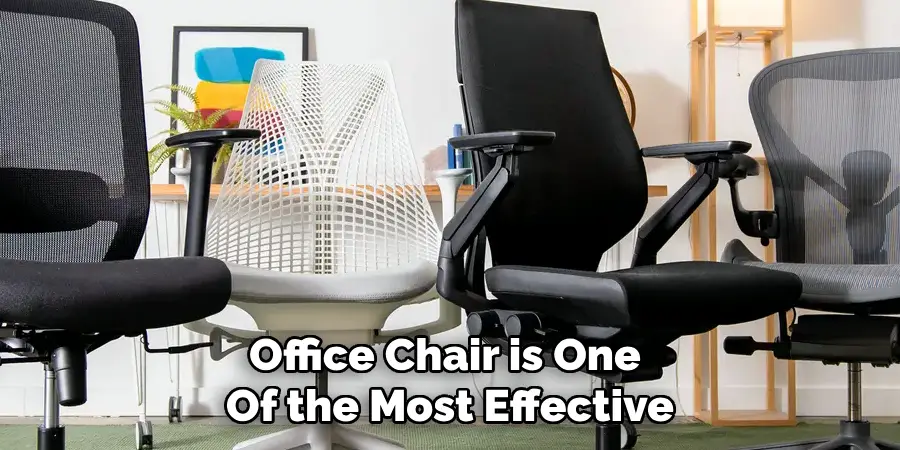
While it may require a larger upfront investment, a good office chair can significantly enhance your comfort and long-term health, making it a worthwhile addition to any workspace.
Step 2: Sit on an Exercise Ball
Sitting on an exercise ball, also known as a stability ball or yoga ball, can help prevent an office chair butt because it engages your core and promotes good posture. By sitting on this unstable surface, you continuously engage your muscles to maintain balance, providing a low-impact workout while working.
However, be cautious when using an exercise ball for extended periods, as they do not provide the same level of support as a proper office chair. Consider alternating between the two for optimal results.
Step 3: Take Regular Stretch Breaks
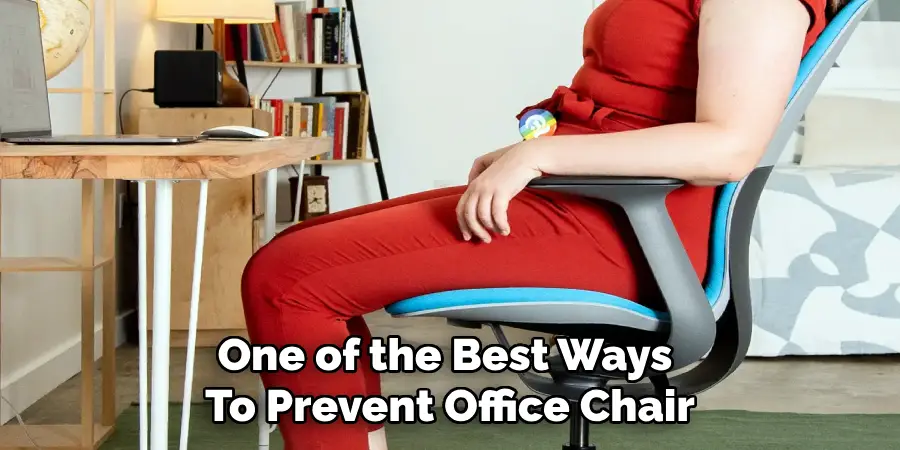
One of the best ways to prevent office chair butt is by taking regular stretch breaks throughout the day. Set a timer for every 30 minutes to an hour and take a quick break to stand up, stretch your legs, and move around.
Simple stretches like lunges, squats, or hip flexor stretches can help alleviate tension in the gluteal muscles and improve circulation in the area. Additionally, incorporating short walks into your breaks can increase blood flow and promote overall well-being.
Step 4: Incorporate Standing Desks
Using a standing desk allows you to alternate between sitting and standing throughout the day, reducing prolonged pressure on your gluteal muscles. By standing, you engage different muscle groups and promote better circulation compared to extended periods of sitting.
If purchasing a standing desk is not an option, consider using a standing desk converter or simply elevating your laptop or monitor on a stack of books to achieve the same benefits.
Step 5: Use a Footrest
A footrest can help you maintain proper sitting posture by keeping your feet flat on the ground and at a comfortable angle. When your feet are planted firmly, it helps distribute your weight evenly and takes away some pressure from your gluteal muscles.
Consider investing in an adjustable footrest that allows you to customize the height and angle according to your needs.
Step 6: Practice Proper Posture
Maintaining good posture while sitting is crucial for preventing office chair butt. Make sure your feet are flat on the ground, your back is supported, and your shoulders are relaxed. Keep your hips slightly above your knees to promote a neutral posture and avoid slouching or hunching forward.
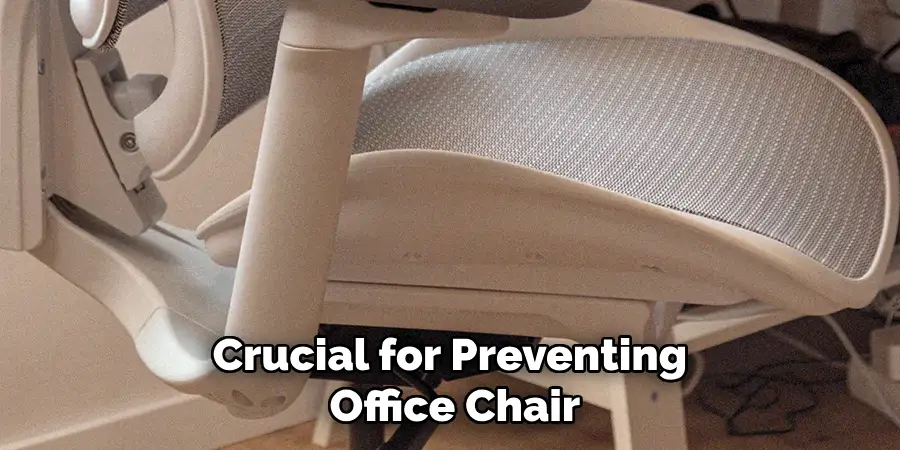
Buttock clenches, also known as glute squeezes, can help strengthen your gluteal muscles and improve posture while sitting. Simply squeeze your buttocks for 5-10 seconds before releasing to engage the muscles and improve circulation in the area.
Step 7: Use a Lumbar Support Pillow
If your office chair lacks proper lumbar support, consider using a lumbar support pillow to fill in the gap between your lower back and the chair. This will help maintain proper spinal alignment and reduce pressure on your gluteal muscles.
Alternatively, rolling up a towel or using a small cushion can achieve similar results.
Step 8: Adjust Your Chair Height
Making sure your office chair is at the correct height is essential for preventing office chair butt. Your feet should be flat on the ground, and your knees should be at a 90-degree angle when sitting. If necessary, adjust the height of your chair or use a footrest to achieve this position.
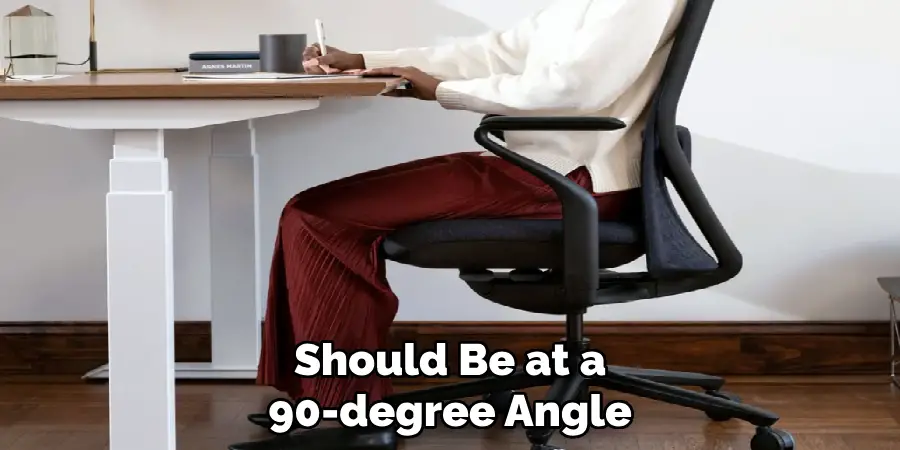
It’s also essential to make sure your arms are comfortably resting on the desk and your wrists are not strained while typing.
Step 9: Engage in Regular Physical Activity
Physical activity plays a crucial role in preventing office chair butt and maintaining overall well-being. Incorporate regular exercise into your daily routine, such as walking, jogging, or strength training. These activities can help strengthen your gluteal muscles and improve circulation throughout your body.
If possible, try to incorporate some form of movement or exercise into your workday, such as taking a short walk during breaks or using an under-desk elliptical machine.
Step 10: Listen to Your Body
Lastly, the most important step in preventing office chair butt is listening to your body. Pay attention to any discomfort or pain you may experience while sitting and adjust accordingly. If possible, switch between sitting and standing throughout the day and take regular breaks to move around.
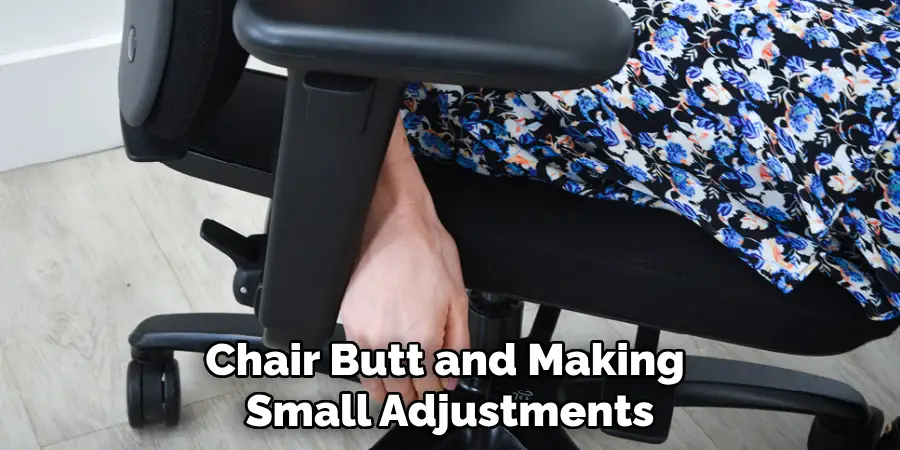
Remember that everyone’s needs are different, so find what works best for you and prioritize your physical well-being over prolonged periods of sitting. By following these guidelines on how to prevent office chair butt and making small adjustments, you can prevent office chair butt and promote a healthier and more comfortable work environment.
Additional Tips
Stay Hydrated:
Drinking enough water throughout the day not only keeps you hydrated but can also encourage you to take more frequent bathroom breaks, giving you a natural reminder to stand up and move around. Staying hydrated also helps prevent muscle cramps and stiffness.
Invest in Ergonomic Accessories:
Consider investing in other ergonomic accessories such as a keyboard, mouse, or wrist rest that promote proper posture and reduce strain on your body. These small adjustments can make a big difference in preventing office chair butt.
Switch Up Your Work Position:
If possible, try not to work in one position for extended periods. Consider using a standing desk for part of the day or switching between sitting on an exercise ball and an office chair throughout the week. Variety is key to avoiding prolonged pressure on your gluteal muscles.
Take Breaks from Technology:
In addition to taking regular stretch breaks, it’s also important to take breaks from technology. Staring at a screen for long periods can strain your eyes and contribute to muscle tension in the neck, shoulders, and back. Take short breaks to look away from your screen, close your eyes, and give your body a chance to relax.
Practice Mindful Breathing:
Incorporating mindful breathing exercises throughout the day can help reduce stress and tension in the body. Take a few deep breaths, focusing on filling your lungs with air and slowly exhaling. This can help relax your muscles and improve overall well-being.
Consult a Healthcare Professional:
If you experience persistent pain or discomfort despite following these tips, it’s essential to consult a healthcare professional. They can offer personalized advice and treatment for any underlying issues contributing to office chair butt.
Frequently Asked Questions
Q: Can Sitting for Long Periods Cause Permanent Damage to My Gluteal Muscles?
A: While sitting for extended periods can cause discomfort and pain in the gluteal muscles, it is unlikely to cause permanent damage. However, it’s essential to take preventive measures and incorporate regular movement into your daily routine to avoid long-term negative effects.
Q: How Can I Tell If My Office Chair is Causing Discomfort in My Gluteal Muscles?
A: Symptoms of office chair butt may include soreness, numbness, or aching in the gluteal muscles. You may also experience discomfort or pain when sitting for extended periods. If you notice these symptoms, it’s essential to make adjustments and take breaks throughout the day to prevent further discomfort.
Q: Is There an Ideal Time Limit for Sitting Before Taking a Break?
A: It’s recommended to take a break and move around every 30 minutes to an hour if possible. However, everyone’s needs are different, so listen to your body and take breaks when necessary.
Q: Can Using a Standing Desk Completely Eliminate Office Chair Butt?
A: While using a standing desk can help reduce prolonged pressure on your gluteal muscles, it’s essential to make sure you maintain proper posture and take breaks throughout the day for optimal results.
Q: Are There Any Exercises I Can Do at My Desk to Help Prevent Office Chair Butt?
A: Yes, there are several simple exercises you can do while sitting or standing at your desk, such as buttock clenches or stretches. Incorporating these exercises into your daily routine can help strengthen your gluteal muscles and improve circulation in the area. Remember to consult with a healthcare professional before starting any new exercise routine.
Conclusion
Preventing office chair butt is not only about maintaining comfort but also about protecting your physical well-being in the long term.
By incorporating small adjustments such as proper posture, regular exercise, and ergonomic tools like standing desks or lumbar support pillows, you can significantly reduce the impact of prolonged sitting on your gluteal muscles and overall health. Listen to your body, stay proactive, and create a work environment that prioritizes movement and balance.
These simple yet effective steps on how to prevent office chair butt will help you stay comfortable, healthy, and productive throughout your workday.
