
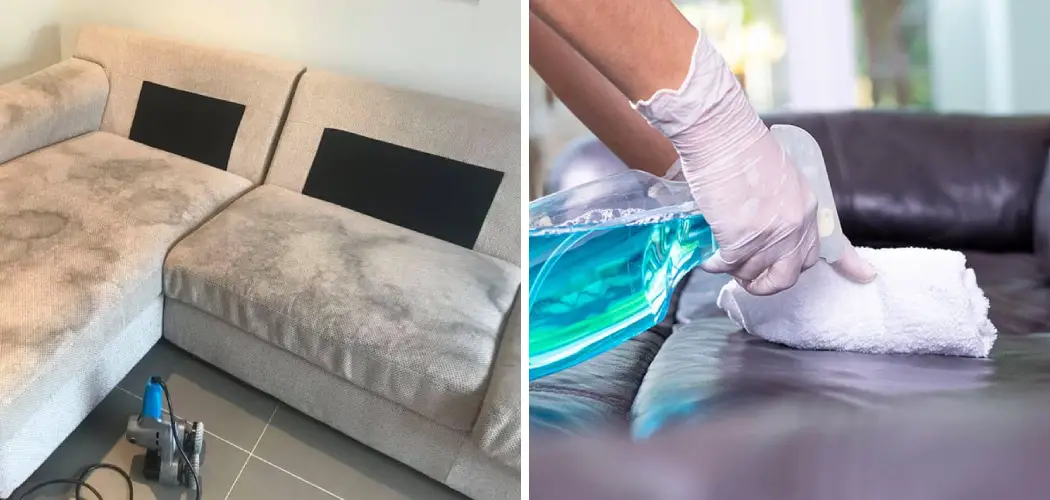
Discovering a pee stain on your favorite couch or armchair is a frustrating experience.
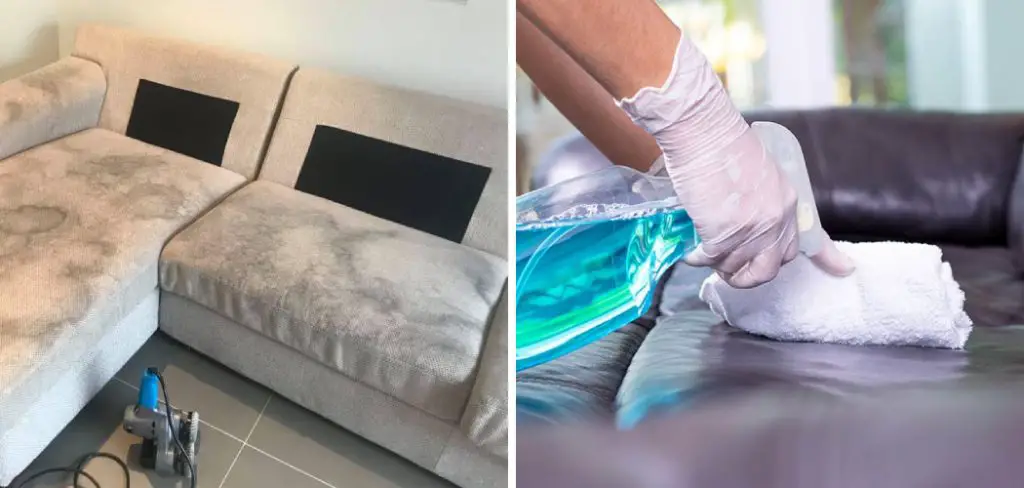
The immediate concern is the visible stain, but the bigger, more persistent problem is the lingering odor. That distinct, unpleasant smell can permeate an entire room, making your living space feel unclean and unwelcoming. Whether the culprit is a new puppy, a child in the middle of potty training, or an older pet having an accident, addressing the issue quickly and correctly is crucial. The key isn’t just to mask the smell but to eliminate its source.
This guide on how to get rid of pee smell on furniture will walk you through everything you need to know to successfully remove pee smells from your furniture.
What are the Causes?
The primary reason pee smell is so difficult to remove is its chemical composition. Urine contains uric acid crystals, which don’t dissolve easily in water. When the liquid part of the urine evaporates, these crystals remain embedded deep within the furniture fibers. Any humidity or moisture in the air can reactivate these crystals, causing the unpleasant smell to return, sometimes long after the initial accident.
Common causes for these accidents include:
- Pet Accidents: Young pets who are not yet house-trained are frequent offenders. Older pets may also have accidents due to health issues or incontinence.
- Childhood Accidents: Potty-training toddlers can sometimes have accidents on furniture.
- Medical Conditions: Certain medical issues in both pets and humans can lead to incontinence.
Regardless of the cause, the approach to cleaning remains focused on breaking down and neutralizing the uric acid.
What Will You Need?
Before you begin the cleaning process, gather all your supplies. Having everything on hand will make the job quicker and more effective.
- Paper towels or clean, dry cloths
- White vinegar
- Baking soda
- A spray bottle
- Enzymatic cleaner (specifically designed for pet stains)
- A vacuum cleaner with a hose attachment
- Water
- A soft-bristled brush (optional)
10 Easy Steps on How to Get Rid of Pee Smell on Furniture
Follow these steps carefully to ensure you remove both the stain and the underlying odor for good. This method works best on fabric upholstery. For leather or other materials, you may need to consult the manufacturer’s cleaning instructions.
Step 1: Blot the Area Immediately
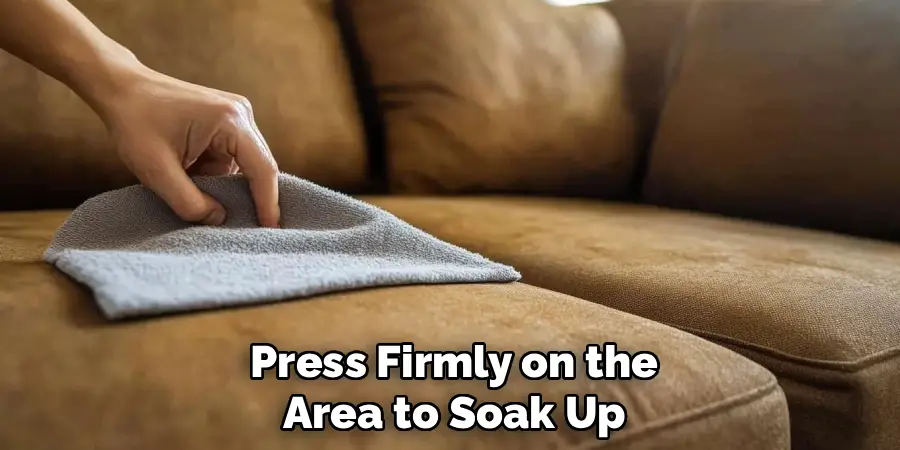
The first and most critical step is to act fast. As soon as you discover the wet spot, grab paper towels or a clean, absorbent cloth and start blotting. Press firmly on the area to soak up as much urine as possible. Do not rub, as this can push the liquid deeper into the cushion and spread the stain.
Continue blotting with fresh towels until the area is as dry as you can get it. The less urine that soaks into the padding, the easier your job will be.
Step 2: Create a Vinegar Solution
White vinegar is a fantastic natural deodorizer. Its acidic nature helps to break down the uric acid in the urine. Create a solution by mixing equal parts of white vinegar and water in a spray bottle. Shake the bottle well to ensure the two liquids are thoroughly combined. This simple but powerful solution will be your primary cleaning agent to start tackling the smell at its source.
Step 3: Spray the Affected Area
Generously spray the vinegar and water solution onto the entire affected area. Don’t be shy with the spray; you want to saturate the spot thoroughly. The goal is for the vinegar solution to penetrate as deeply as the urine did. This ensures it reaches all the uric acid crystals that have soaked into the upholstery and padding. Let the solution sit and work its magic for at least 15 to 20 minutes.
Step 4: Blot the Area Again
After letting the vinegar solution sit, it’s time to blot again. Using a new set of clean, dry cloths, press down firmly on the treated area to absorb the moisture. You are now pulling up the mixture of urine and vinegar solution. Continue this process until the spot feels damp rather than soaked. This step removes a significant portion of the broken-down urine components from the fabric.
Step 5: Apply Baking Soda
Once the area is just damp, sprinkle a generous layer of baking soda over the entire stain. Baking soda is another excellent natural odor absorber. It will work to pull out any remaining moisture from the fabric while neutralizing lingering smells.
Make sure you cover the entire spot where you applied the vinegar solution. You should see a thick, white layer covering the affected area.

Step 6: Let the Baking Soda Sit
Patience is key for this step. Allow the baking soda to sit on the furniture for several hours, or even overnight if possible. During this time, the baking soda will continue to absorb moisture and odors from deep within the fabric. You might notice the baking soda clumping as it pulls liquid out of the upholstery. This is a good sign that it is working effectively.
Step 7: Vacuum the Baking Soda
After the baking soda has had ample time to do its job, use a vacuum cleaner with a hose or upholstery attachment to clean it all up. Go over the area several times to ensure you remove all the powder. The fabric should now feel dry to the touch and the initial strong smell of urine should be significantly reduced.
Step 8: Apply an Enzymatic Cleaner
For stubborn odors, an enzymatic cleaner is your best friend. These cleaners contain special enzymes that are specifically formulated to break down and digest the organic proteins in urine, completely eliminating the source of the smell. Follow the product’s instructions carefully, as different brands may have slightly different application methods. Typically, you will spray the cleaner on the area and let it air dry.
Step 9: Allow the Furniture to Air Dry Completely
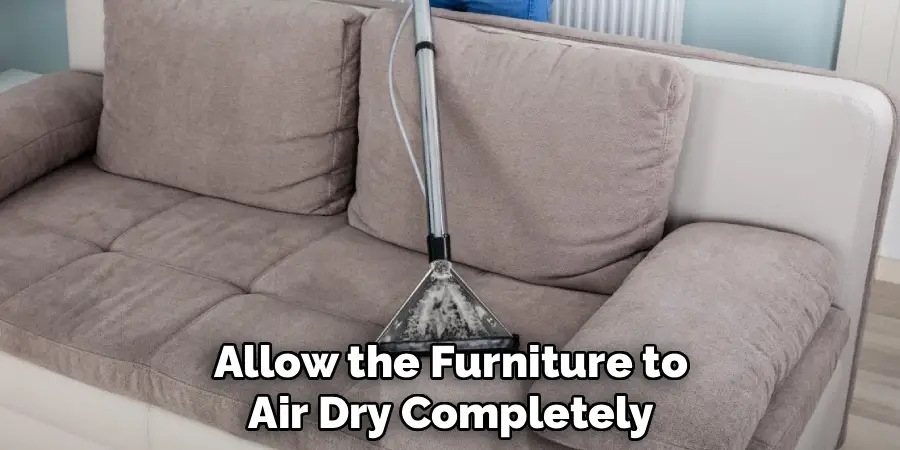
After treating the area, it’s crucial to let the furniture air dry completely. Proper ventilation is important. Open windows or use a fan to increase airflow around the furniture, which will speed up the drying process. Avoid using heat, like a hairdryer, as this can “bake” the proteins into the fabric, potentially setting the stain and smell permanently.

Step 10: Check for Lingering Odors
Once the furniture is completely dry, give the area a sniff test. Press your nose close to the fabric and see if you can detect any remaining urine smell. If a faint odor persists, you may need to repeat the process with the enzymatic cleaner. For very old or saturated stains, a second treatment is sometimes necessary to fully eradicate the smell.
5 Things You Should Avoid
When cleaning pee from furniture, what you don’t do is just as important as what you do.
- Avoid Using a Steam Cleaner: The high heat from a steam cleaner can permanently set the stain and bond the protein in the urine to the fabric fibers, making the smell impossible to remove.
- Don’t Use Harsh Chemicals: Bleach or ammonia-based cleaners can damage the fabric of your furniture. Ammonia also has a chemical composition similar to urine, which might attract your pet back to the same spot.
- Don’t Rub the Stain: Scrubbing or rubbing a fresh stain will only push the urine deeper into the cushion and spread it over a larger area. Always blot.
- Avoid Masking the Smell: Air fresheners or scented sprays will only provide a temporary fix. They don’t eliminate the source, and the urine smell will return once the fragrance wears off.
- Don’t Let the Stain Sit: The longer the urine sits, the more it soaks in and the harder it is to remove the smell. Act as quickly as possible.
Frequently Asked Questions
- Can I Use This Method on a Leather Couch?
This method is primarily for fabric upholstery. For leather, blot the urine immediately and then use a cleaner specifically designed for leather. A mixture of vinegar and water can be used sparingly, but test it on an inconspicuous spot first to ensure it doesn’t cause discoloration. - Will the Vinegar Smell Linger on My Furniture?
The smell of vinegar is strong at first, but it will dissipate completely as it dries. Once the area is fully dry, you should not be left with any vinegar odor. The baking soda step also helps to absorb any residual vinegar smell. - What if the Smell Comes Back on a Humid Day?
If the smell returns, it means some uric acid crystals were left behind. This is a sign that the initial cleaning didn’t penetrate deeply enough. You will need to re-treat the area, focusing on saturating it with an enzymatic cleaner to break down the remaining crystals.
Conclusion
Dealing with a pee smell on your furniture can feel like a losing battle, but it doesn’t have to be.
By acting quickly and using the right materials and techniques, you can effectively eliminate the odor at its source. The key is to break down the uric acid crystals with vinegar and enzymatic cleaners, not just cover up the smell. With a little effort, you can save your furniture and restore freshness to your home.
Hopefully, the article on how to get rid of pee smell on furniture has provided you with valuable information and practical tips.
