

A faded fabric chair can make a clean room look tired, even when the chair itself is still strong and comfortable. Reupholstering can be expensive, and replacing the chair may feel wasteful. Painting the fabric gives you another option: a low-cost refresh that can change the color, hide stains, and extend the life of a piece you already own.
Learning how to paint a chair fabric helps you get a smooth, flexible finish instead of a stiff, crunchy surface. The key is choosing the right paint mix, preparing the fabric well, and applying thin layers with patience.

This guide walks you through the full process in a beginner-friendly way. You will learn how to clean the chair, test the fabric, mix paint properly, apply it evenly, and protect the final finish. With the right steps, your old chair can look fresh without losing its comfort.
Why Painting Chair Fabric Matters
Painting chair fabric matters because it lets you update furniture without a full makeover. It is useful when the chair frame is solid, but the fabric looks stained, faded, or outdated.
This method can save money, reduce waste, and give you more control over the final color. It also works well for accent chairs, dining chairs, office chairs, and small upholstered pieces that do not need major repair.
A careful paint job can improve the look of a room quickly. When done correctly, the fabric stays softer, the color looks even, and the chair remains usable. The result depends on preparation, paint choice, and patience more than skill.
Step-by-Step Guide To How To Paint A Chair Fabric
Step 1: Check The Fabric Type
Start by looking closely at the chair fabric. Smooth, tightly woven fabrics usually accept paint better than thick, fuzzy, or heavily textured materials. Cotton, polyester blends, canvas, and linen-style fabrics are often easier for beginners.
Run your hand across the surface. If the fabric has deep pile, like velvet or chenille, paint may sit unevenly or make the texture feel stiff. That does not always mean you cannot paint it, but it does mean you need extra testing.
Also check for damage. Tears, loose seams, and worn spots should be repaired before painting. Paint can improve color, but it will not fix weak fabric.

Step 2: Clean The Chair Thoroughly
A clean surface helps paint bond better. Dust, body oils, pet hair, and old spills can block the paint and create uneven spots. Use a vacuum with an upholstery attachment to remove loose dirt from the seat, back, seams, and corners.
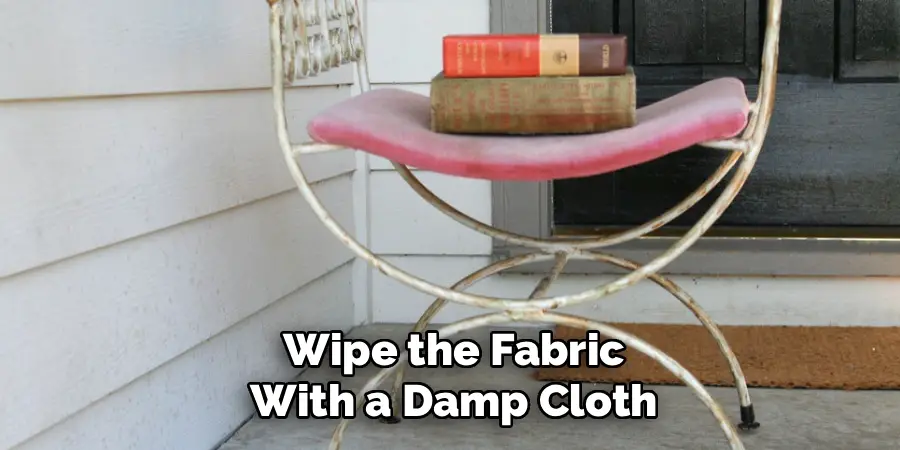
Next, wipe the fabric with a damp cloth and a small amount of mild soap. Do not soak the chair. Too much water can sink into the padding and cause odors or slow drying.
Let the chair dry completely before moving on. If the fabric still feels damp, wait longer. Painting over moisture can lead to patchy color and poor adhesion.
Step 3: Protect The Frame And Floor
Before you open the paint, protect every area you do not want to color. Use painter’s tape around wooden legs, metal arms, nailhead trim, buttons, and decorative edges. Press the tape down firmly so paint does not seep underneath.
Place a drop cloth, old sheet, or plastic cover under the chair. Fabric painting can create small splatters, especially when using a brush near seams or corners.
If you searched for how to paint a chair fabric because you want a neat result, this step matters more than it seems. Clean edges make the project look intentional, not rushed.
Step 4: Choose The Right Paint Mix
For fabric chairs, do not use regular wall paint by itself. It can dry too hard and make the chair uncomfortable. A better option is fabric paint, chalk paint mixed with fabric medium, or acrylic paint mixed with textile medium.
The medium helps the paint soak into the fibers and stay more flexible after drying. Follow the product directions for mixing ratios. Many fabric mediums work well with equal parts paint and medium, but labels can vary.
You may also thin the mix slightly with water if the fabric is absorbent. The paint should feel smooth and spreadable, not thick like paste.
Step 5: Test A Hidden Spot
Always test before painting the full chair. Choose a hidden area, such as the underside of the seat, the back lower edge, or a spot near the frame. Apply a small amount of your paint mix and let it dry fully.
Check the color, texture, and flexibility. Bend or press the fabric to see if it cracks, flakes, or feels too rough. If it feels stiff, add more fabric medium or a little water to thin the next mix.
This test also shows how many coats you may need. Light colors over dark fabric often need more layers than darker colors over pale fabric.
Step 6: Apply The First Thin Coat
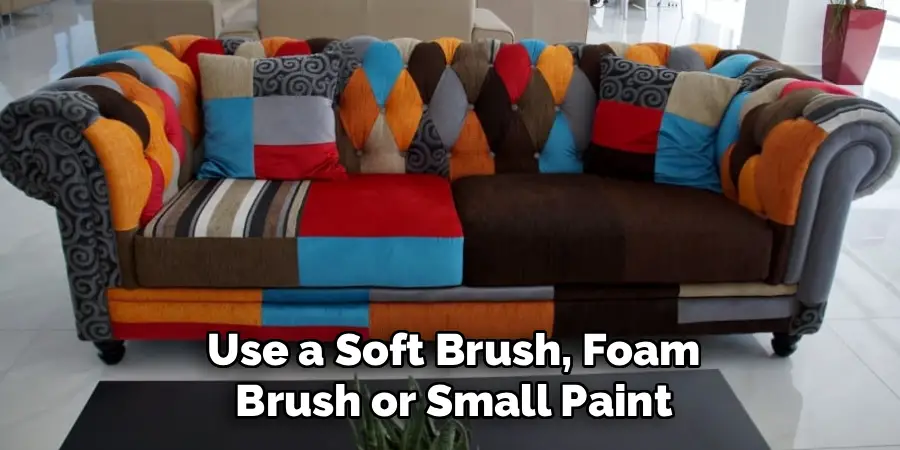
Use a soft brush, foam brush, or small paint roller to apply the first coat. Work in small sections so you can control the coverage. Push the paint gently into the fabric instead of letting it sit only on top.
Keep the coat thin. The first layer may look uneven, and that is normal. Thick paint can clog the weave, create streaks, and make the surface feel hard after drying.
This is the stage where how to paint a chair fabric becomes more about patience than speed. A light coat gives you a better base for smooth color later.
Step 7: Let Each Layer Dry And Sand Lightly
Allow the first coat to dry completely before adding another layer. Drying time depends on the fabric, paint type, room temperature, and humidity. Many chairs need several hours between coats.
Once dry, feel the surface with your hand. If it feels rough, use very fine sandpaper to smooth it lightly. Do not scrub hard. A gentle pass is enough to soften raised fibers and improve the next coat.
Wipe away sanding dust with a clean, dry cloth. Then apply the next thin coat. Most chairs need two to four coats for even coverage.
Step 8: Seal And Cure The Finish
After the final coat looks even, let the chair dry longer than you think it needs. Dry to the touch does not always mean fully cured. Give the paint time to bond before sitting on the chair or placing cushions on it.
Some fabric paints do not need a separate sealer, while others benefit from a fabric-safe topcoat. Check your paint instructions before adding anything. The wrong sealer can make fabric shiny, sticky, or stiff.
If heat setting is recommended, follow the product directions carefully. Once cured, use the chair gently for the first few days while the finish hardens.
Frequently Asked Questions
Can Any Fabric Chair Be Painted?
Not every fabric chair is a good candidate for painting. Smooth, tightly woven upholstery usually works best because it absorbs paint more evenly. Thick velvet, heavy textured fabric, and very fuzzy materials can become stiff or patchy. If you are unsure, test a hidden area first and let it dry fully before deciding whether to paint the entire chair.
Will Painted Fabric Feel Stiff?
Painted fabric can feel stiff if the paint is too thick or applied in heavy coats. To keep the surface more flexible, use fabric medium, thin the paint when needed, and apply several light coats instead of one heavy layer. Light sanding between coats can also help soften the finish and reduce roughness on the surface.
What Kind Of Paint Works Best?
Fabric paint is the easiest choice because it is made to stay flexible on cloth. Acrylic paint mixed with textile medium can also work well for upholstery projects. Chalk paint mixed with fabric medium is another popular option. Regular wall paint alone is not ideal because it can dry hard, crack, and make the chair uncomfortable to sit on.
How Long Should The Chair Dry Before Use?
The chair should dry at least 24 hours before light handling, but curing often takes longer. For best results, wait several days before regular use, especially if the fabric needed multiple coats. Humid or cool rooms can slow drying. If the surface feels tacky, smells strongly of paint, or transfers color, give it more time.

Can I Wash A Painted Fabric Chair?
You should avoid soaking or scrubbing painted fabric. Instead, clean it gently with a soft, slightly damp cloth. For spills, blot right away rather than rubbing. Harsh cleaners can weaken the finish or change the color. If the chair gets heavy use, you may need small touch-ups over time to keep the surface looking fresh.
Conclusion
Painting a fabric chair is a practical way to refresh furniture that still has good structure but no longer matches your space. The best results come from careful preparation, a flexible paint mix, thin coats, and enough drying time between layers.
Start by checking the fabric, cleaning it well, and testing a hidden spot. Then build the color slowly instead of rushing with thick paint. This keeps the finish smoother, softer, and more durable.
Now that you know how to paint a chair fabric, choose a chair, gather the right supplies, and begin with a small test area. With patience and light layers, you can turn a worn chair into a piece that feels updated, useful, and personal.
