
Leather sofas are a classic addition to any living space, offering both elegance and durability. However, one common issue that owners might encounter is “puddling,” which refers to the sagging or pooling of leather material over time.

This issue not only detracts from the aesthetic appeal of the sofa but can also compromise its structural integrity and comfort. Understanding the causes of puddling and how to address them can help in extending the life and beauty of your leather furniture. In this guide, we will explore how to fix puddling on leather sofa.
Explanation of Leather Sofa Puddling
Puddling on a leather sofa typically occurs due to the natural stretching and sagging of the leather material over time. Multiple factors contribute to this common issue, including regular use, body weight, and even temperature fluctuations.
As people sit and move on the sofa, the leather fibers gradually lose their taut nature, leading to the formation of unsightly sags and depressions. Additionally, the leather’s exposure to humidity and improper conditioning can exacerbate this problem, as moisture affects the material’s elasticity.
Understanding these contributing elements is crucial in selecting effective strategies to reduce or prevent puddling, thus maintaining the sofa’s original tautness and appearance.
What Causes Puddling on Leather Sofas
Puddling on leather sofas results from a combination of factors that impact the leather’s structure and elasticity. One major cause is consistent use, where the repeated pressure and weight from sitting gradually stretch the leather fibers. Over time, the material loses its ability to snap back to its original shape, resulting in sagging.
Additionally, environmental influences, such as temperature and humidity, play a significant role. Leather exposed to high humidity can absorb moisture, which weakens the fibers and contributes to sagging. Similarly, exposure to direct sunlight or fluctuating temperatures can cause the leather to expand and contract, accelerating wear and tear.
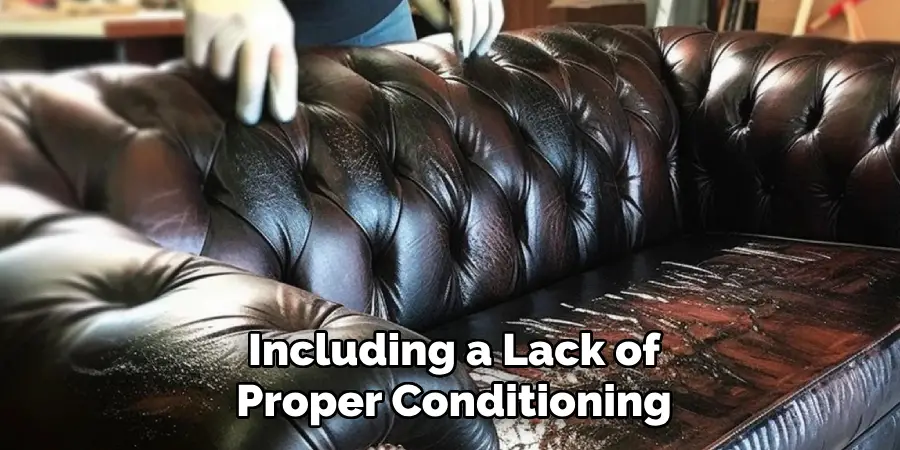
Furthermore, insufficient maintenance, including a lack of proper conditioning and cleaning, can lead to stiffening of the material and encourage puddling. Understanding these causes allows for better care practices that can mitigate the risk of puddling and maintain the sofa’s longevity.
Why Fixing Puddling is Essential
Addressing puddling on a leather sofa is crucial for several reasons. Firstly, it helps maintain the aesthetic appeal of the furniture, ensuring it continues to enhance the living space with its classic elegance. A sofa free from sagging and wrinkles looks more inviting and well-cared-for, making your home feel more polished and attractive.
Moreover, fixing puddling is vital for preserving the structural integrity of the sofa. When leather stretches and sags, it can lead to uneven pressure distribution, which might strain the frame and cushioning over time. This could result in more significant damage and potentially expensive repairs.
Lastly, addressing puddling can improve the comfort of the sofa, as a firmer, more supportive seating surface is more enjoyable for relaxation and daily use. By taking steps to fix puddling, you protect your investment, ensuring your leather furniture remains comfortable, durable, and visually appealing for years to come.
10 Methods How to Fix Puddling on Leather Sofa
1. Redistribute the Filling
Puddling on a leather sofa often occurs because the cushions lose their shape due to unevenly distributed filling. Remove the cushions from the sofa and open their zippers to access the filling. If they contain foam or polyester batting, redistribute it evenly, ensuring that the edges and corners are filled adequately.
For down or feather-filled cushions, fluff and shake them vigorously to restore their loft. Reinsert the cushions into their covers and pat them into shape. This simple method often restores the sofa’s smooth and uniform appearance.
2. Add New Cushion Fillers
Over time, cushion fillers compress and lose their resilience, leading to puddling. Replace the old filling with high-density foam or polyester batting to revive the cushions’ firmness.
Cut the foam to match the dimensions of the cushion cover, ensuring a snug fit. Layer batting around the foam for added softness and to smooth out the edges. This not only eliminates puddling but also enhances the comfort and longevity of your sofa.
3. Tighten the Leather Upholstery
Loose leather is a common culprit behind puddling. To address this, use upholstery tools to tighten the leather. Carefully remove the staples or tacks holding the leather in place on the underside of the sofa.
Pull the leather taut, smoothing out any wrinkles or sags, and secure it back with a staple gun. Work systematically, tightening small sections at a time to achieve an even and firm surface. This method is ideal for DIY enthusiasts with basic upholstery skills.
4. Steam and Stretch the Leather
Leather responds well to heat, which can help minimize sagging and puddling. Use a handheld steamer or a damp cloth and an iron set to a low temperature.
Gently steam the affected areas to make the leather more pliable. While the leather is warm, stretch it manually, pulling it towards the edges of the sofa frame. Allow it to cool and dry in the stretched position. This technique can restore the leather’s tautness and reduce visible puddling effectively.
5. Use a Support Board
If the sofa frame itself has sagged, it may cause the leather to puddle. Place a sturdy piece of plywood or particle board underneath the cushions to reinforce the seating area. Measure the sofa base carefully and cut the board to size, ensuring it fits snugly.
This added support prevents cushions from sinking, helping the leather remain smooth and taut. This method is especially useful for older sofas with weakened frames.
6. Replace Worn Out Foam
When the foam in the sofa cushions deteriorates, it leads to sagging and puddling. Remove the cushions and replace the old foam with new, high-resilience foam.
Choose a density and thickness appropriate for your sofa’s design to ensure comfort and durability. Insert the foam into the cushion covers, making sure it fits tightly. This method rejuvenates the sofa, giving it a firmer and more structured appearance.
7. Add Leather Conditioner
Leather can lose its natural elasticity over time, contributing to sagging. Applying a high-quality leather conditioner can rejuvenate the material and reduce puddling. Clean the leather thoroughly with a soft, damp cloth to remove dirt and oils.
Then, massage the conditioner into the leather using circular motions, allowing it to penetrate deeply. This process restores the leather’s suppleness, making it more resistant to sagging and puddling.
8. Install Webbing or Springs
If the sofa’s internal support system has weakened, repairing or replacing the webbing or springs can help. Remove the cushions and inspect the support structure.
Replace any broken springs or webbing with new materials, ensuring they are tightly secured to the frame. This added tension prevents the cushions from sinking, which in turn keeps the leather surface smooth and free from puddling. This method is best suited for those comfortable with furniture repair or professionals.
9. Create Custom Foam Inserts
For sofas with uniquely shaped cushions or sections where puddling is localized, custom foam inserts can solve the problem. Measure the dimensions of the affected areas and have foam pieces cut to size.
Insert these foam pieces into the cushion covers or tuck them under the leather to provide additional support. This targeted approach addresses specific areas of concern without requiring extensive modifications to the entire sofa.
10. Consult a Professional Upholsterer
When DIY methods are insufficient, consulting a professional upholsterer is a reliable option. They can assess the sofa’s structure, leather condition, and filling to recommend tailored solutions.
Professionals have the expertise to replace or tighten upholstery, repair frames, and restore cushions to their original firmness. Although this method is more costly, it ensures high-quality results and extends the life of your sofa.
Things to Consider When Maintaining Leather Furniture
- Regular Cleaning: Dust and dirt can scratch leather surfaces and wear them out over time. Ensure that you clean your leather furniture regularly using a soft, damp cloth to maintain its appearance and avoid the accumulation of debris.
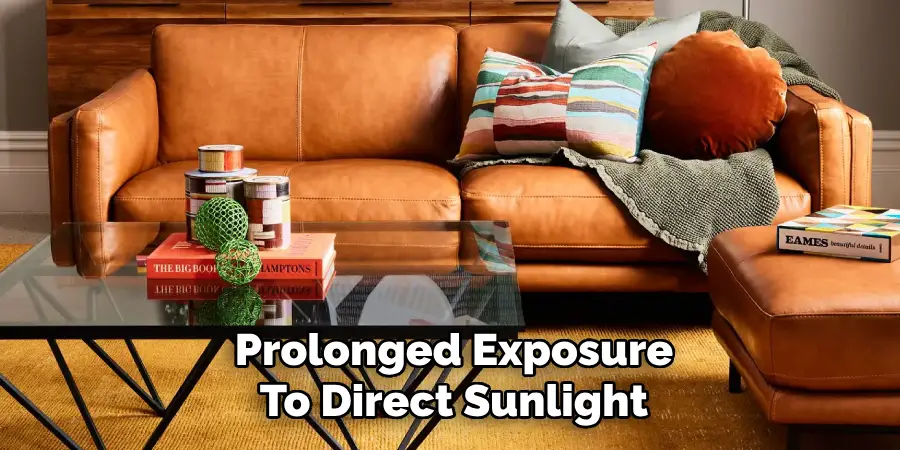
- Avoid Direct Sunlight: Prolonged exposure to direct sunlight can cause leather to fade and dry out. Position your leather furniture away from windows or use blinds and curtains to protect it from intense sunlight.
- Keep Away from Heat Sources: Heat can dry out leather, causing it to crack and lose its supple texture. Place your leather furniture at least a few feet away from radiators, heaters, or fireplaces.
- Use Appropriate Cleaning Products: Not all cleaning products are safe for leather. Use only those specifically designed for leather care to avoid damage. Always test any new product on a small, hidden area first.
- Humidity Levels: Leather can be sensitive to excessive dryness or moisture. Keep indoor humidity levels in check to prevent leather from becoming too brittle or growing mold.
Conclusion
Proper care and maintenance of leather furniture can significantly extend its lifespan and preserve its aesthetic appeal. By addressing common issues like puddling and sagging through DIY methods or seeking professional help when necessary, you can maintain the comfort and functionality of your sofa.
Regular cleaning and careful attention to factors such as sunlight and humidity levels will further protect your investment. Thanks for reading, and we hope this has given you some inspiration on how to fix puddling on leather sofa!
