
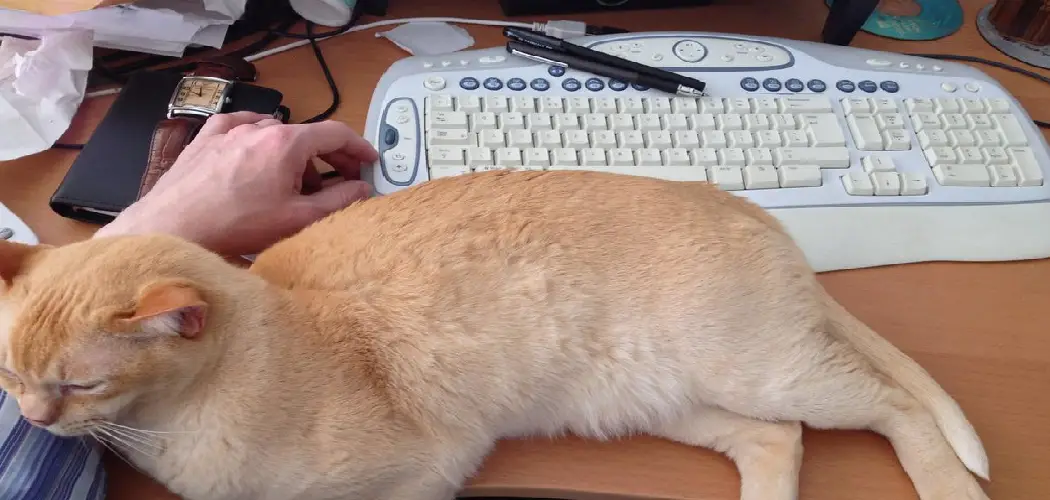
If you’ve ever sat down to work only to find your cat parked on your keyboard, swatting at your mouse, or casually walking across your screen, you already know how disruptive it can be. Cats are curious, warm-seeking creatures, and a busy desk with humming equipment and your undivided attention is basically their dream destination.
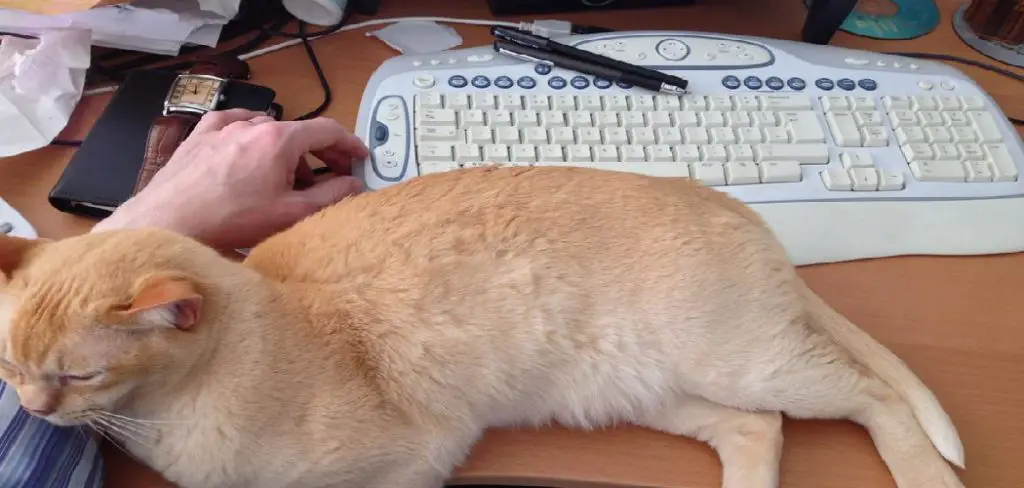
The good news is that this is a very solvable problem. Knowing how to keep cat off desk doesn’t require expensive gadgets or hours of formal training. It comes down to understanding why your cat is drawn there in the first place, making the desk less appealing, and giving them a better option nearby.
Why Keeping Your Cat Off Your Desk Matters
A cat on your desk isn’t just a minor annoyance. It creates real problems that affect both your work and your pet’s safety.
From a productivity standpoint, cat interruptions during video calls, typing sessions, or focused work can cost you concentration and credibility. A stray paw on the keyboard has deleted documents, ended calls, and triggered accidental clicks more times than most cat owners care to admit.
From a safety perspective, desks often hold loose cables, small accessories, toxic plants, and hot equipment that can harm a curious cat. Chewing through a charging cable or knocking a heavy item off a shelf is a genuine risk.
Step-by-Step Guide To How To Keep Cat Off Desk
Step 1: Understand Why Your Cat Climbs Up There
Before you can change the behavior, you need to understand what’s driving it. Cats are drawn to desks for several reasons: warmth from electronics, height that lets them survey the room, and the simple fact that you’re there. Your presence is a magnet — especially if you’re focused on something else, because that’s often when cats feel ignored.

Recognizing the motivation helps you address the root cause rather than just reacting to the symptom. A cat seeking warmth needs a warmer alternative. A cat seeking attention needs a scheduled engagement. Knowing the difference makes every other step more effective.
Step 2: Remove The Temptations From Your Desk
Take a close look at what’s on your desk and ask yourself what a cat would find irresistible. Loose cables are a classic target, as are small objects that can be batted around, snack wrappers, warm charging pads, and anything that moves or makes noise. The more appealing your desk looks, the harder it is to redirect the behavior.
Tuck cables into cable management sleeves or clips. Clear clutter so the surface has fewer interesting items to investigate. Remove any food or drink containers when you step away. A tidier, quieter desk is simply less interesting to a curious cat, and that’s a meaningful first step.
Step 3: Set Up A Better Alternative Nearby
One of the most effective things you can do is give your cat a spot they prefer over your desk. A cat tree, wall-mounted perch, or cozy bed placed near your workstation — but not on it — gives them height, warmth, and proximity to you without taking over your space.
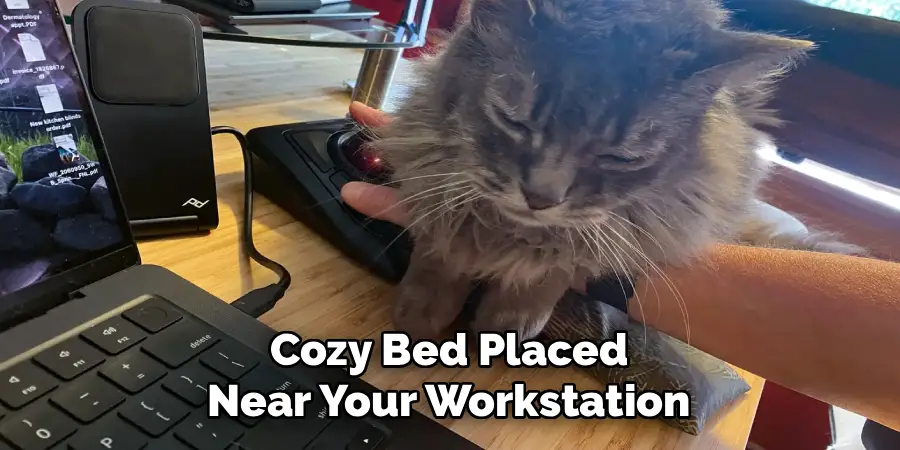
Position the alternative at roughly the same level as your desk if possible, and add a soft blanket or a worn item of clothing to make it smell familiar and comforting. Cats adopt new spots quickly when those spots meet their core needs. The goal is to make their option feel better, not just different.
Step 4: Use Gentle Deterrents On The Desk Surface
If your cat keeps jumping up despite having a good alternative, adding a mild deterrent to the desk surface can help break the habit. Double-sided tape placed along the edge is one of the most effective options — cats dislike the sticky texture on their paws and quickly learn to avoid it. You can also find flexible plastic desk guards designed specifically for this purpose.
Keep in mind that deterrents work best as a short-term tool while you’re establishing new habits, not as a permanent solution. Once your cat has learned to prefer their own spot, you can remove the tape or guard gradually. Avoid anything that could harm or frighten them, such as noise devices or sprays that cause stress.
Step 5: Reward The Behavior You Want To See
Cats respond to positive reinforcement far better than correction. When your cat chooses their perch or bed over your desk, acknowledge it. A small treat, verbal praise, or a few seconds of affection goes a long way toward reinforcing the choice. Over time, your cat learns that staying in their spot gets them good things.
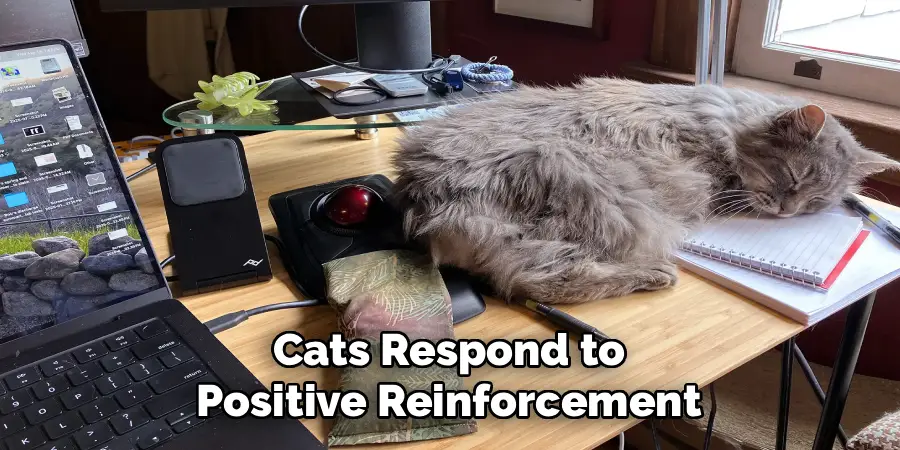
Timing matters here — reward the moment they settle into the right place, not a few minutes later. Cats connect cause and effect very quickly when the reward is immediate. Consistency is what turns occasional good behavior into a reliable habit, so try to respond the same way every time you notice them making the right choice.
Step 6: Establish A Consistent Daily Routine
Cats are creatures of habit, and unpredictability often drives the desk-climbing behavior. If your cat knows that playtime happens at 8 a.m. and again at 5 p.m., they’re less likely to seek your attention by jumping on your workspace at 2 p.m. Building short, structured play sessions into your day reduces their need to interrupt you.
Use a wand toy, laser pointer, or feather teaser to give them active, engaging play before your most important work blocks. A cat that has burned energy and received attention is far more likely to settle quietly in their own spot. This step addresses the attention-seeking root cause more directly than any physical deterrent can.
Step 7: Stay Consistent And Avoid Mixed Signals
This is where most people unintentionally undermine their own progress. If you allow your cat on the desk on weekends, during casual browsing, or when you’re “not really working,” you teach them that the rule isn’t actually a rule. Cats test boundaries regularly, and inconsistency signals that persistence pays off.
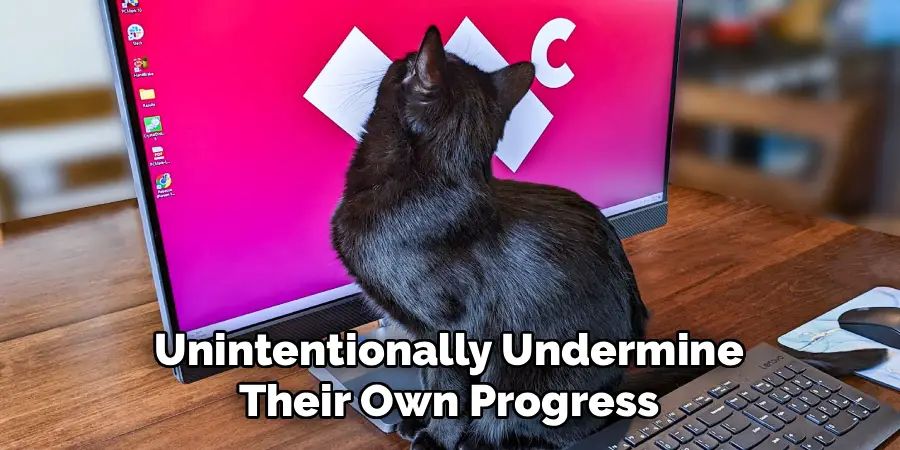
Understanding how to keep cat off desk long-term means applying the same response every time — calmly redirecting your cat to their spot, rewarding them when they go there, and never using physical punishment, which only creates anxiety. Stick with it for a few weeks, and the new routine will feel natural to both of you. Patience and consistency are the two non-negotiables here.
Frequently Asked Questions
Why Does My Cat Always Jump On My Desk When I’m Working?
Cats are social animals, and your focused attention — directed at a screen instead of them — often triggers attention-seeking behavior. The desk also offers warmth from electronics and a high vantage point, both of which appeal to a cat’s natural instincts.
The combination of your presence, heat, and height makes your workspace especially attractive. Providing a nearby alternative that meets those same needs, along with scheduled attention, significantly reduces the drive to jump up.
Is It Safe To Use Tape Or Deterrent Mats On My Desk?
Yes, when used correctly. Double-sided tape and textured deterrent mats are humane tools that work by creating an unpleasant surface sensation rather than causing pain or fear. Most cats respond quickly and simply choose to avoid the area.
Place the tape along the front edge or the most common landing spots, and check it regularly to make sure it hasn’t collected too much dust to work effectively. Remove it once the new habit is well established, usually after two to four weeks of consistent redirection.
How Long Does It Take To Train A Cat To Stay Off The Desk?
Most cats begin showing clear behavioral changes within two to four weeks of consistent redirection and positive reinforcement. Some adapt faster, especially younger cats, while older cats with long-established habits may take a bit more time.
The key variable is consistency — the more reliably you redirect and reward, the faster the learning happens. Skipping days or allowing exceptions resets progress more than many owners realize, so staying steady through the process is the most important factor.
What If My Cat Keeps Coming Back No Matter What I Try?
First, make sure the alternative spot is genuinely appealing — it should be warm, comfortable, and placed close enough to you that the cat doesn’t feel isolated. If the deterrents and alternatives are in place but nothing is working, consider whether your cat is getting enough daily stimulation overall.
An under-stimulated or anxious cat will persist in seeking your attention regardless of training. Adding more interactive play, enrichment toys, or even a companion cat sometimes resolves chronic desk-jumping when behavioral methods alone aren’t enough.
Should I Ever Let My Cat On The Desk?
This is entirely your choice, and there’s no wrong answer as long as it’s intentional. Some owners prefer a clear, permanent boundary. Others allow desk access during casual, low-stakes moments and train the cat to leave on command during work hours.
Whatever you decide, consistency within your chosen rule is what matters. Allowing it sometimes and refusing it other times without a clear signal confuses your cat and makes training harder. Pick a boundary that works for your lifestyle and stick to it.
Conclusion
Keeping a cat off your desk is less about discipline and more about understanding what your cat needs and giving them a better way to get it. The core strategy is simple: make the desk less appealing, create a comfortable and well-positioned alternative nearby, and reward your cat every time they make the right choice.
Deterrents like double-sided tape help break the habit in the short term, but it’s consistent daily routine, scheduled playtime, and positive reinforcement that create lasting change. Avoid punishment entirely — it increases anxiety without teaching anything useful.
If you apply these steps with patience and stay consistent, you’ll find that figuring out how to keep cat off desk becomes less of a daily battle and more of a one-time effort with long-term results. Your workspace and your cat can coexist — it just takes a little structure and a good spot by your side.
