
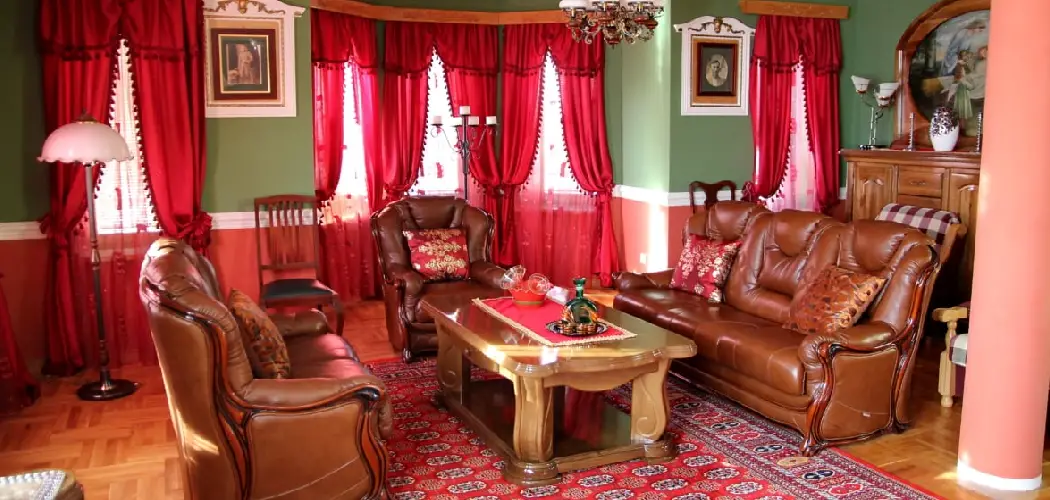
Leather furniture adds warmth, character, and a sense of quality to any room. A well-chosen sofa or armchair can last decades — but only if it receives the right care. Without it, even premium leather can dry out, crack, fade, and lose the suppleness that made it attractive in the first place.
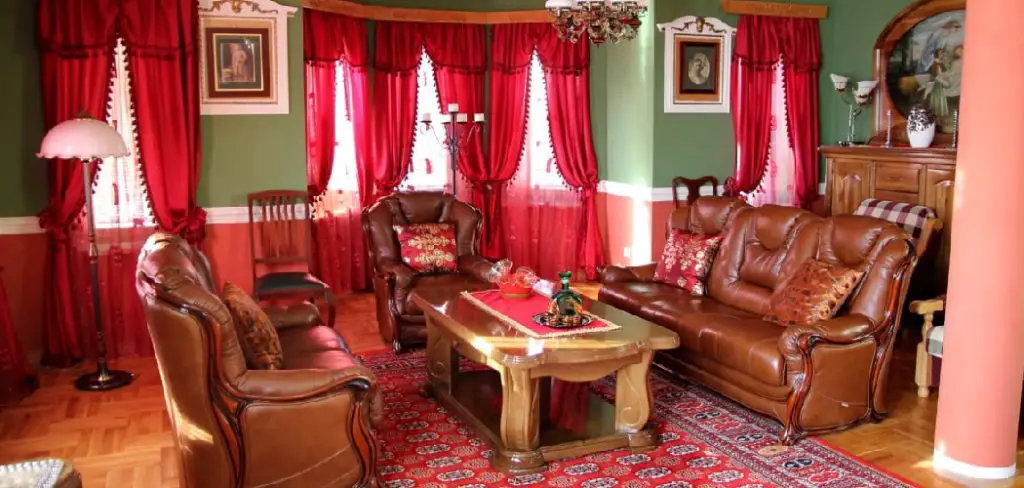
Knowing how to look after leather furniture properly isn’t complicated, but it does require consistency and the right approach. Small habits, like wiping spills quickly and conditioning the surface a few times a year, make an enormous difference to how your furniture holds up over time.
This guide breaks the process down into seven straightforward steps anyone can follow. Whether your leather is brand new or has been in the family for years, these practical steps will help you protect it, restore its appearance, and keep it looking its best for years to come.
Why Leather Furniture Care Matters
Leather is a natural material, and like skin, it needs regular attention to stay healthy. Left untreated, it loses moisture, becomes brittle, and develops cracks that are difficult — and sometimes impossible — to reverse. Sunlight, heat, and everyday friction all accelerate this process.
Beyond appearance, well-maintained leather furniture is a smarter financial choice. Quality leather pieces represent a significant investment, and proper care extends their lifespan considerably compared to neglected furniture that starts showing serious wear within just a few years. Regular cleaning also prevents the buildup of oils, dirt, and bacteria that accumulate through everyday use. A clean, conditioned leather surface is also more resistant to future staining, making each maintenance session an investment in easier upkeep down the line. Simply put, a little effort now saves a lot of money and disappointment later.
Step-By-Step Guide To Leather Furniture Care
Step 1: Identify Your Leather Type Before You Start
Not all leather is the same, and using the wrong product on the wrong type can cause permanent damage. The most common types found in homes are full-grain, top-grain, bonded leather, and faux leather — each with different levels of durability and different care requirements. Check your furniture’s care tag or manufacturer documentation to confirm what you’re working with.
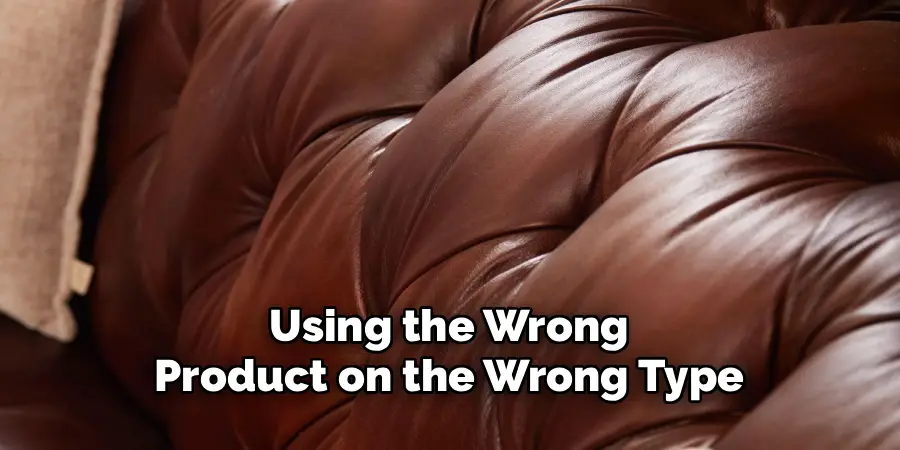
Aniline and semi-aniline leathers, for example, are highly absorbent and can be easily stained by water or harsh cleaners. Pigmented leather is more resistant and easier to maintain. Knowing your type guides every product choice you make going forward and prevents well-intentioned cleaning from causing unintended harm to the surface.
Step 2: Dust And Vacuum The Surface Regularly
Before applying any cleaner or conditioner, remove loose dust, crumbs, and debris from the surface. Use a soft, dry microfiber cloth to wipe down flat areas, then use a vacuum with a soft brush attachment to clean along seams, in crevices, and between cushions where particles accumulate most.
This step is often skipped, but it matters. Rubbing cleaner over a dusty or particle-covered surface can introduce fine scratches into the leather’s finish over time. Removing loose debris first ensures that the cleaning process works on actual grime rather than grinding surface particles into the material. Make this a weekly habit rather than something you only do before a deep clean.
Step 3: Clean The Leather With A Gentle, Purpose-Made Cleaner
Mix a small amount of leather cleaner with water according to the product instructions, or use a dedicated pre-mixed leather cleaning solution. Apply it to a soft cloth — never directly to the furniture — and wipe the surface using gentle circular motions. Work in sections and avoid saturating any one area with excess liquid.
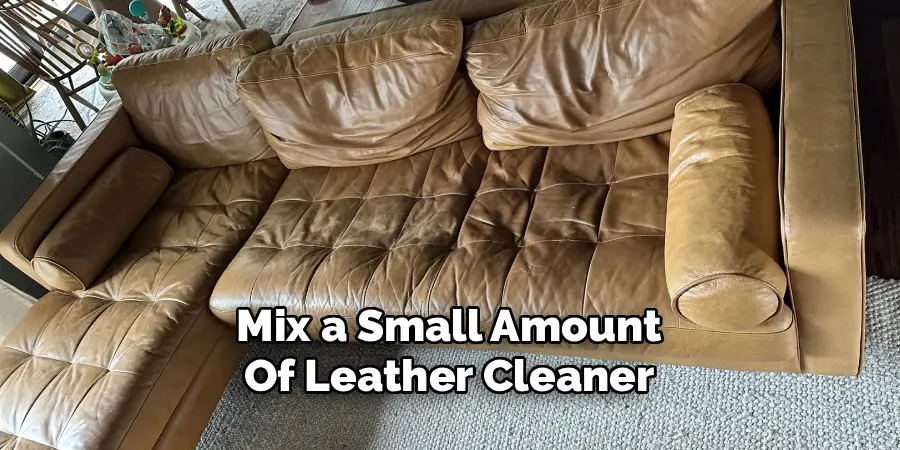
After cleaning each section, use a separate dry cloth to buff away any residue and prevent moisture from sitting on the surface. For light everyday maintenance, a damp microfiber cloth alone is often sufficient between deeper cleaning sessions. Always test any new product on a hidden area first and wait a few minutes to confirm there’s no discoloration or adverse reaction before applying it across the whole piece.
Step 4: Treat Stains Quickly And Carefully
Speed matters when it comes to leather stains. Blot liquid spills immediately with a clean, dry cloth — pressing gently rather than rubbing, which spreads the stain and pushes it deeper into the material. For oily stains like food grease or body lotion, sprinkle a small amount of cornstarch over the area and leave it for a few hours to absorb the oil before brushing it away gently.
Avoid using household cleaners, baby wipes, or products containing alcohol, acetone, or bleach on leather surfaces. These strip the protective finish and dry out the material quickly. If a stain persists after gentle treatment, contact a professional leather cleaner rather than escalating your cleaning method — aggressive treatment almost always causes more damage than the stain itself.
Step 5: Condition The Leather To Restore Moisture And Softness
Conditioning is one of the most important steps in understanding how to look after leather furniture for the long term. Leather loses its natural oils over time due to heat, sunlight, and general use, which is what causes it to dry out and eventually crack. A good leather conditioner replenishes that moisture and keeps the material supple and flexible.
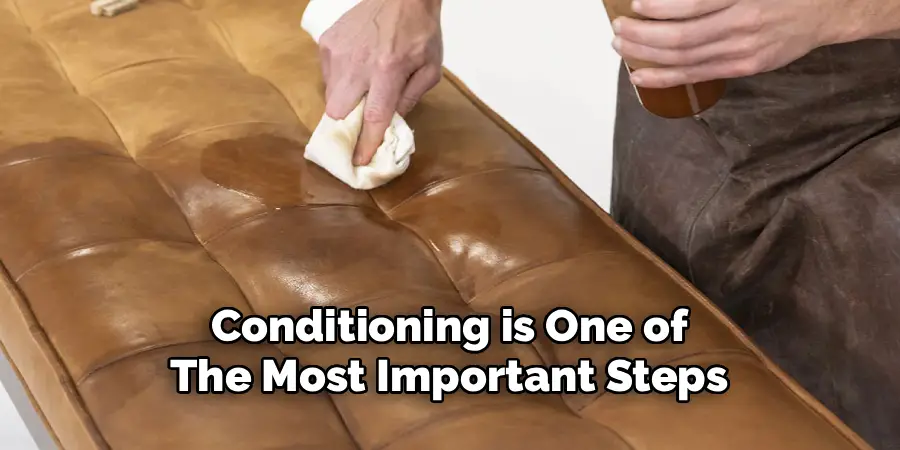
Apply a small amount of conditioner to a soft cloth and work it into the leather using gentle circular motions, covering the entire surface evenly. Allow it to absorb for the time recommended on the product label, then buff away any excess with a clean cloth. For most home furniture, conditioning two to four times a year is sufficient — more frequently if the piece is in a dry or sunny room.
Step 6: Protect The Surface From Sunlight And Heat
Direct sunlight is one of leather’s biggest enemies. UV rays fade the color, dry out the natural oils, and cause the surface to crack far faster than normal aging would. Position leather furniture away from windows where possible, or use curtains and blinds during peak sunlight hours to reduce exposure.
Heat sources like radiators, fireplaces, and floor vents pose a similar risk. Leather placed too close to a heat source dries out unevenly, which leads to warping and cracking along the sections closest to the heat. Maintaining a consistent room temperature and moderate humidity level — ideally between 40 and 60 percent relative humidity — creates an environment where leather naturally stays healthier for longer with far less intervention needed.
Step 7: Apply A Leather Protector For Added Resistance
Once your leather is clean and conditioned, applying a leather protector adds an extra layer of defense against future stains, spills, and everyday wear. Leather protectors create a barrier on the surface that causes liquids to bead up rather than absorb immediately, giving you more time to wipe them away cleanly before they penetrate the material.
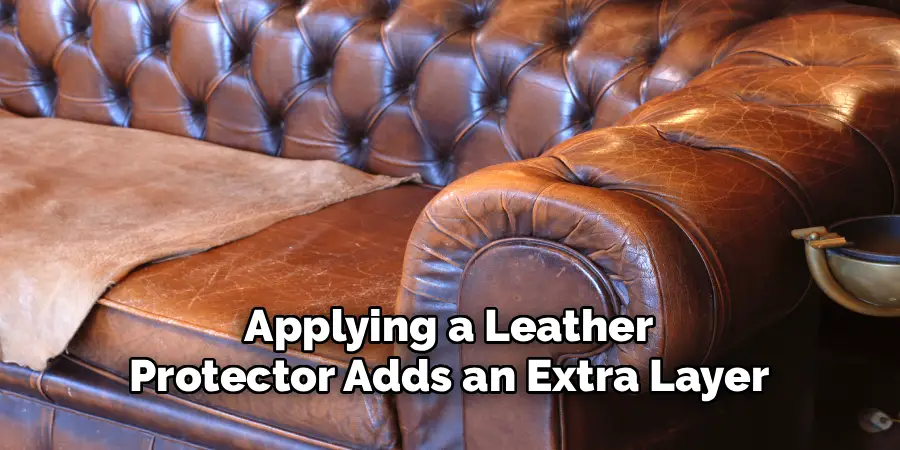
This final step is where consistent care becomes truly effective. Understanding how to look after leather furniture means not just reacting to problems but actively preventing them. Apply a protector after each conditioning session and reapply it every few months for ongoing coverage. Read the product label carefully — some protectors are formulated for specific leather types, and using the wrong one can affect the surface sheen or finish in ways that are difficult to correct.
Frequently Asked Questions
How Often Should I Clean And Condition Leather Furniture?
A light wipe-down with a dry or slightly damp cloth should happen weekly to prevent dust and oil buildup. A full clean using a leather cleaner is recommended every one to three months depending on how heavily the furniture is used. Conditioning should follow each deep clean, or at minimum three to four times a year to keep the leather soft and prevent premature cracking.
Can I Use Baby Wipes Or Household Cleaners On Leather?
It’s best to avoid both. Many baby wipes contain moisturizers and alcohol that can alter the leather’s finish or leave a residue that attracts more dirt. Household cleaners like all-purpose sprays often contain chemicals that strip leather’s protective coating. Always use products specifically formulated for leather, and test on a small hidden area before applying anything new to the full surface.
Why Is My Leather Sofa Starting To Crack?
Cracking is almost always a sign of insufficient moisture in the leather. It typically develops when conditioning is skipped for long periods, when the furniture is placed near a heat source, or when it receives prolonged direct sunlight exposure. In early stages, cracking can be minimized with consistent conditioning. For deeper cracks, a leather repair kit or professional restoration service is a more appropriate solution.
What Should I Do If My Leather Gets Wet From A Spill?
Blot the liquid immediately with a clean, absorbent cloth without rubbing. Allow the leather to dry naturally at room temperature — never use a hair dryer, heater, or direct sunlight to speed up the process, as rapid drying causes stiffness and cracking. Once the surface is fully dry, apply a leather conditioner to restore moisture that may have been lost during the drying process.
Is Faux Leather Cared For The Same Way As Real Leather?
Faux leather, also called PU leather or vegan leather, requires a gentler approach than genuine leather. It can be cleaned with a mild soap and water solution but should not be conditioned with oil-based leather products, as these can cause the material to break down faster. Faux leather is also more sensitive to heat and sharp objects, so the same precautions around sun exposure and abrasion apply equally well.
Conclusion
Caring for leather furniture comes down to a handful of consistent habits: know your leather type, keep it clean and dust-free, condition it regularly, protect it from heat and sunlight, and act quickly when spills happen. None of these steps are complicated, but they do need to happen on a regular schedule to make a real difference.
Start with one step today — even a simple wipe-down and a look at your furniture’s care label gets you moving in the right direction. Once you understand how to look after leather furniture properly, the whole process becomes second nature. Your furniture will reward that consistency with decades of good looks, comfort, and lasting quality that synthetic alternatives simply can’t match.
