
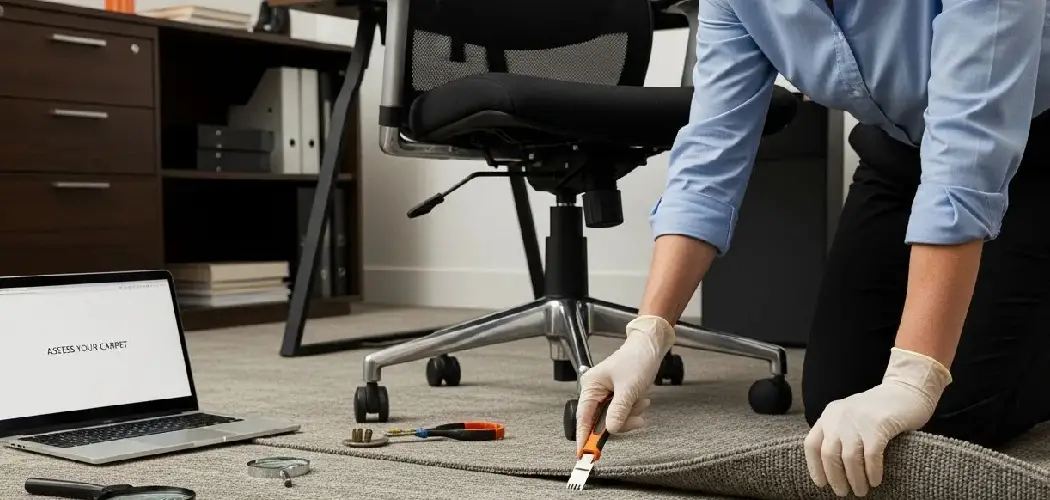
Office chair wheels are one of those things you stop noticing until they stop working properly. Over time, hair, dust, carpet fibers, and grime build up around the casters, turning smooth-rolling wheels into sticky, scratchy ones that drag across the floor and leave marks behind. It’s a common problem, and it’s easier to fix than most people expect.
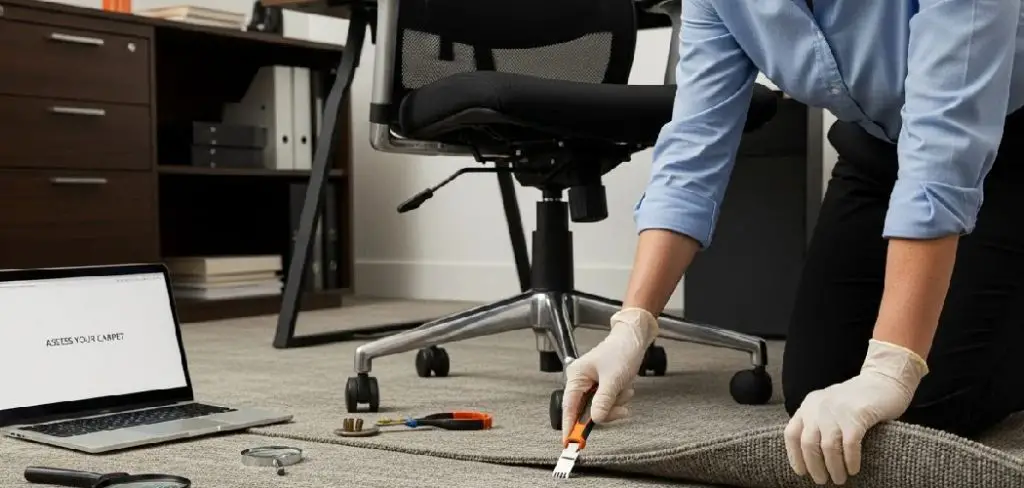
Knowing how to clean wheels on office chair casters correctly keeps your chair gliding smoothly, protects your flooring from scuffs and scratches, and extends the life of the wheels themselves. Whether your chair sits on hardwood, tile, or carpet, dirty casters cause real damage over time — both to the floor and to the chair’s mechanism. This guide gives you a straightforward, practical path to getting them clean without special tools or products.
Why Cleaning Office Chair Wheels Matters
Most people only think about their chair wheels when something goes wrong — when the chair pulls to one side, makes a grinding noise, or leaves dark streaks across a light floor. By that point, the buildup has usually been accumulating for months.
Dirty casters put extra strain on the wheel housing, which can crack or warp under the added friction. On hard floors, debris trapped in the wheel causes micro-scratches that accumulate into visible damage over time. On carpet, clogged wheels flatten fibers unevenly and make rolling difficult, which puts stress on your back as you compensate by pushing harder.
Regular cleaning prevents all of this. Clean wheels roll more quietly, glide more evenly, and last longer. It also makes your workspace feel more put-together — a small detail that adds up when you’re spending eight or more hours a day in the same chair.
Step-By-Step Guide To How To Clean Wheels On Office Chair
Step 1: Gather Your Supplies Before You Start
Getting everything ready before you begin makes the whole process faster and avoids interruptions mid-task. You’ll need a flat-head screwdriver or a butter knife, a pair of scissors or a seam ripper, a stiff-bristled brush or an old toothbrush, a cloth or paper towels, and a small bowl of warm soapy water. A vacuum with a narrow attachment is also helpful but not essential.

Having everything within reach means you won’t need to leave the chair partway through cleaning. If you plan to do a more thorough clean, a mild all-purpose cleaner or rubbing alcohol works well for cutting through greasy residue that soap and water alone won’t shift. No specialist products are required — most of what you need is likely already in your home or office.
Step 2: Flip The Chair Over And Remove The Casters
Turn your chair upside down and rest it on a flat surface so the wheels face upward. Most office chair casters are press-fit, meaning they slot into a socket in the chair base and can be pulled out by hand with firm, steady pressure. Grip the wheel housing as close to the base as possible and pull straight out without twisting.
If the wheels are stiff, use a flat-head screwdriver to gently lever the caster stem away from the socket — work it from side to side rather than trying to pry it out at one angle. Some chairs use screw-in casters instead of press-fit ones, so check the stem type before applying too much force. Removing the casters gives you full access to both the wheel and the housing, making cleaning significantly easier and more thorough.
Step 3: Cut Away And Remove Hair And Fiber Buildup
This is usually the most satisfying step. Hair and carpet fibers wrap tightly around the wheel axle over time, and the only way to remove them properly is to cut through them first. Use scissors or a seam ripper to carefully cut along the length of the wrapped fibers, then use a flat-head screwdriver or your fingers to peel the loosened material away from the axle.
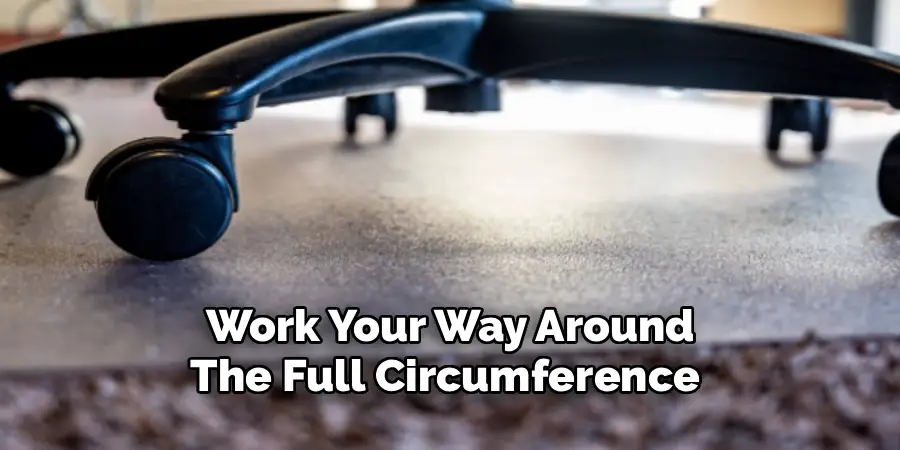
Work your way around the full circumference of each wheel, cutting in short sections and pulling the debris free as you go. For wheels that haven’t been cleaned in a long time, this process can take a few minutes per caster — the buildup is often more substantial than it looks from the outside. Take your time here, as rushing increases the risk of scratching the wheel casing or damaging the axle.
Step 4: Use A Brush To Dislodge Dirt From The Wheel Housing
Once the bulk of the fiber buildup is gone, use a stiff-bristled brush or an old toothbrush to scrub away the finer debris stuck in and around the wheel housing. Pay particular attention to the gap between the wheel and the casing, the axle area, and any ridges or grooves in the housing where dirt tends to collect.
Dry brushing first removes most of the loose debris without spreading moisture into the wheel mechanism. Work over a piece of newspaper or a bin so the dislodged material falls somewhere manageable rather than onto your floor. If you have a vacuum with a narrow attachment, running it over the wheel and housing at this stage picks up everything the brush loosened and makes the wet cleaning step more effective.
Step 5: Wash The Wheels With Warm Soapy Water
Dip your brush or cloth into warm soapy water and scrub the entire surface of each caster — the wheel itself, the housing, and the stem. This removes greasy residue, sticky buildup, and any remaining fine dust that dry cleaning couldn’t shift. For stubborn grime, a small amount of rubbing alcohol on a cloth cuts through it effectively without damaging the plastic.
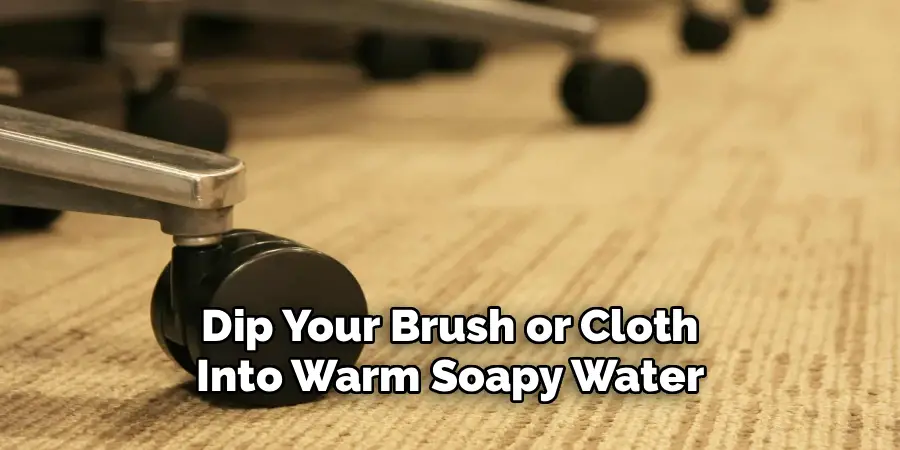
Understanding how to clean wheels on office chair casters properly means not rushing the washing step. Let the soapy water sit on heavily soiled areas for thirty seconds before scrubbing — this softens the buildup and reduces the effort needed. Rinse each caster with a clean damp cloth to remove soap residue, which can attract new dirt if left on the surface. Don’t submerge the wheels in water, as moisture inside the bearing can cause rust or stiffness.
Step 6: Dry The Casters Thoroughly Before Reattaching
Water left inside the wheel housing or around the stem can cause the metal axle to rust and the bearing to seize up over time. After washing, use a dry cloth to wipe down each caster as thoroughly as possible, then leave them to air dry for at least fifteen to twenty minutes before reattaching them to the chair.
If you’re in a hurry, a hairdryer on a low heat setting speeds up the drying process significantly without damaging the plastic. Check that the stem is completely dry before pressing it back into the chair base, as a wet stem can be difficult to seat properly and may cause the caster to sit at a slight angle. Dry casters reattach more smoothly and seat more securely than damp ones.
Frequently Asked Questions
How Often Should I Clean My Office Chair Wheels?
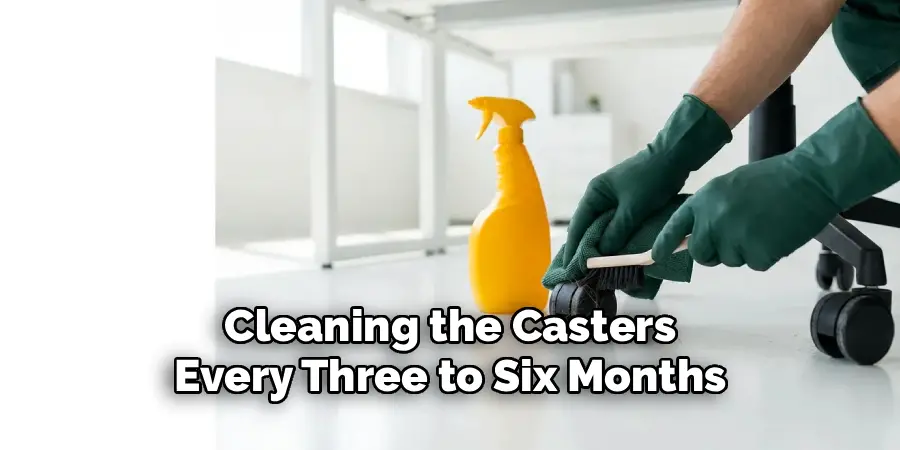
For most office environments, cleaning the casters every three to six months is sufficient to prevent significant buildup. If your chair sits on carpet, or if the area sees heavy foot traffic, cleaning every two to three months keeps the wheels rolling smoothly. A quick visual check once a month helps you catch early-stage hair buildup before it becomes a more time-consuming problem.
Can Dirty Chair Wheels Damage My Hardwood Floor?
Yes, debris trapped in casters — particularly grit, small stones, and hardened dirt — acts like sandpaper against hard flooring surfaces. Over time, this creates visible scratches and dull patches in the finish. Using chair mats is a helpful preventive measure, but regular caster cleaning remains important even with a mat, since debris still accumulates inside the wheel housing.
Do I Need To Remove The Casters To Clean Them Properly?
Removing the casters is strongly recommended for a thorough clean. Attempting to clean the wheels while they’re still attached to the chair makes it difficult to reach the axle, the inner housing, and the stem. It also increases the risk of getting cleaning products on the floor. The removal process takes less than five minutes and makes every other step noticeably easier and more effective.
What Should I Do If A Wheel Still Doesn’t Roll Smoothly After Cleaning?
If a wheel continues to drag or grind after cleaning, the internal bearing is likely worn or damaged. At that point, cleaning won’t resolve the issue. Replacement casters are available for most standard chair bases and are straightforward to install using the same press-fit method. They’re typically inexpensive — often sold in sets of five — and make a significant difference to how the chair moves and feels.
Are There Chair Wheel Types That Are Easier To Keep Clean?
Hard floor casters, which have a softer polyurethane coating compared to standard nylon casters, tend to pick up less debris and are easier to wipe clean. Rollerblade-style casters, which use a single central wheel rather than a dual-wheel design, also accumulate less hair and fiber around the axle. If you clean your wheels frequently and find standard casters frustrating, upgrading to one of these alternatives is worth considering.
Conclusion
Clean chair wheels make a bigger difference than most people expect — to how the chair moves, how the floor holds up, and how long the casters themselves last. The process involves removing the casters, cutting away fiber buildup, scrubbing with warm soapy water, drying thoroughly, and reattaching everything securely. None of it requires specialist tools or products, and the whole job takes less than thirty minutes.
Set a reminder to check your casters every few months and address buildup before it becomes a bigger issue. If you follow this guide on how to clean wheels on office chair casters regularly, you’ll keep your chair rolling smoothly, protect your flooring, and avoid the frustration of a chair that pulls, drags, or marks every surface it touches.
