
Getting the right replacement caster wheels can feel confusing when you’re staring at a worn-out wheel and wondering where to start. Whether you’re fixing an office chair, a cart, or a piece of industrial equipment, the size of the wheel matters more than most people realize. Understanding how to measure caster wheels correctly is the key to finding a replacement that fits perfectly and performs the way it should.
This guide walks you through every measurement you need to take, from wheel diameter to stem size. You don’t need specialized tools or any technical background — just a tape measure or ruler, a few minutes, and the steps laid out below. Getting the measurements right the first time saves you from ordering the wrong part and dealing with a frustrating return process.
Why Measuring Caster Wheels Matters
Choosing a caster wheel based on appearance alone almost always leads to a poor fit. Even wheels that look identical can vary significantly in diameter, width, and mounting hardware. A wheel that’s even slightly too large or too small can affect how smoothly your equipment moves, how much weight it can carry, and how safely it operates on your floor surface.
Taking accurate measurements before you shop means you’ll get a wheel that rolls smoothly, mounts securely, and handles the load it’s designed for. It also protects your floors — oversized or undersized wheels can cause uneven pressure and surface damage over time. For furniture, medical equipment, carts, and industrial machinery, a properly sized caster wheel keeps everything functioning safely and efficiently. A few minutes of careful measuring prevents hours of frustration later.
Step-By-Step Guide To How To Measure Caster Wheels
Step 1: Gather Your Tools Before You Start
Before you take a single measurement, make sure you have the right tools on hand. A standard ruler works well for smaller wheels, but a flexible tape measure gives you more flexibility for larger or awkwardly shaped casters. You’ll also want a flat surface to set the wheel on, a notepad or phone to record each measurement, and optionally a caliper for precise measurements of stems and bores.
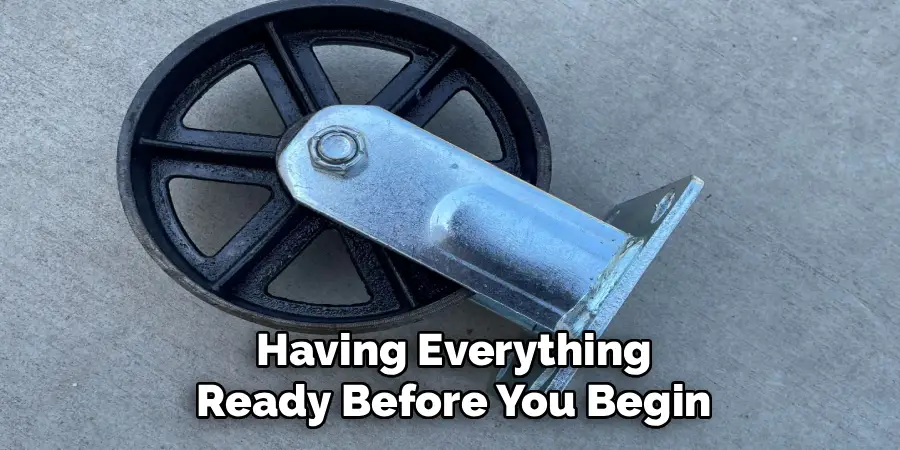
Having everything ready before you begin keeps the process smooth and prevents you from losing your place partway through. If the caster is still attached to the equipment, you may want a screwdriver or wrench nearby to remove it. Working with the wheel in hand rather than leaving it attached makes every measurement significantly easier and more accurate.
Step 2: Measure The Wheel Diameter
The wheel diameter is the most important measurement you’ll take, and it’s the one most replacement guides ask for first. To measure it, stand the wheel upright on a flat surface and measure from the very bottom of the wheel straight up to the very top. This gives you the outer diameter — the full height of the wheel from one edge to the other as it sits on the ground.
Make sure you’re measuring the wheel itself and not the caster housing or mounting bracket. The housing adds extra height that isn’t part of the wheel measurement. Record this number clearly. Most caster wheels range from 1.5 inches to 6 inches in diameter for everyday applications, though industrial wheels can be significantly larger. Getting this measurement right is the foundation of the entire selection process.
Step 3: Measure The Wheel Width
Once you have the diameter recorded, the next step is measuring the wheel width — also called the tread width. Lay the wheel flat on your surface and measure straight across from one side of the wheel to the other, going through the center. This tells you how wide the contact surface is, which affects stability, load capacity, and how well the wheel performs on different floor types.
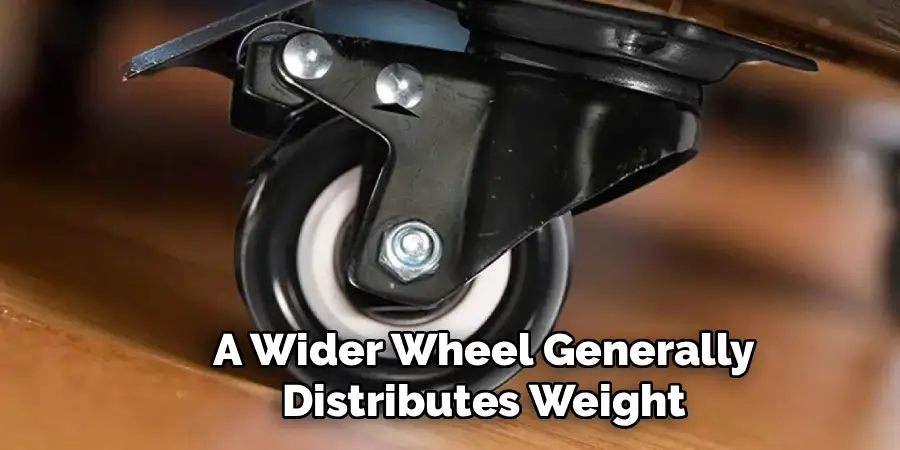
A wider wheel generally distributes weight more evenly and works better on soft or uneven surfaces, while a narrower wheel rolls more easily on hard, smooth floors. If you’re replacing a wheel for a specific piece of equipment, matching the original width as closely as possible ensures the equipment behaves exactly the way you expect. Even a quarter-inch difference in width can affect how the wheel tracks and turns.
Step 4: Measure The Bore Diameter
The bore is the hole through the center of the wheel where the axle passes through. This measurement is critical because if the bore is too large or too small, the wheel simply won’t mount properly. Lay the wheel flat and measure straight across the inside diameter of the center hole using a ruler or, ideally, a caliper for greater precision.
Common bore sizes range from 0.25 inches to 0.75 inches for standard caster wheels, but always measure yours rather than assuming. Some wheels also have a bearing insert inside the bore, which slightly reduces the interior measurement. If your wheel has a visible bearing, measure the inside of the bearing rather than the outer hole. An accurate bore measurement ensures the new wheel slides onto the axle without wobbling or binding.
Step 5: Identify And Measure The Mounting Type
Caster wheels attach to equipment in several different ways, and identifying your mounting type is just as important as the wheel dimensions themselves. The most common types are stem mounts, which use a post that inserts into a socket, and plate mounts, which use a flat bracket bolted to the equipment. Remove the caster from the equipment if you haven’t already to get a clear look at the hardware.
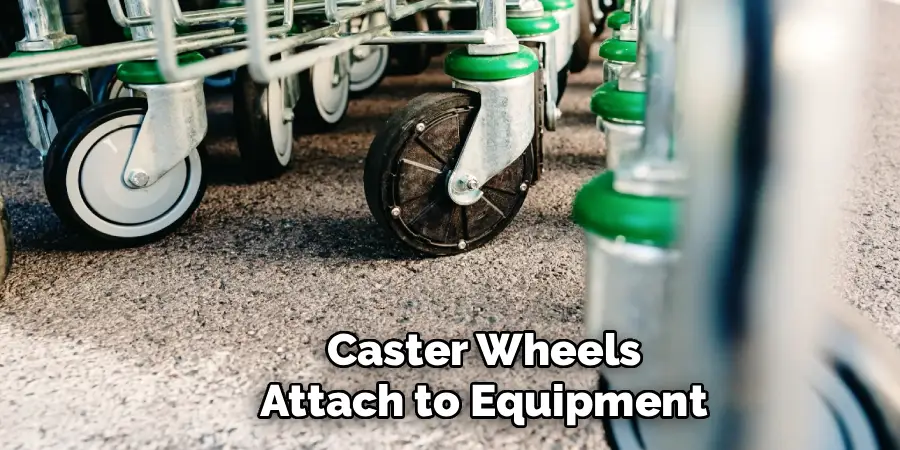
For a stem mount, measure the stem diameter and stem length separately. The diameter is the thickness of the post, and the length is how far it extends from the base of the caster housing. For a plate mount, measure the length and width of the plate itself, and also measure the distance between the bolt holes. Knowing how to measure caster wheels includes understanding the mounting hardware — a perfect wheel with the wrong mount is just as useless as the wrong size wheel entirely.
Step 6: Check The Overall Height Of The Caster
The overall height of a caster assembly is not the same as the wheel diameter. It’s the total distance from the bottom of the wheel to the top of the mounting hardware when the caster is fully assembled. This measurement matters when you need the equipment to sit at a specific height, such as with adjustable workbenches, medical carts, or furniture that needs to match a table height.
To measure overall height, set the assembled caster upright on a flat surface and measure from the floor to the very top of the mounting bracket or stem. If you’re replacing a caster on equipment that currently works at the right height, matching the overall height of your replacement ensures nothing shifts out of alignment. It’s a step many people skip, and it often leads to a noticeable and frustrating height mismatch after installation.
Frequently Asked Questions
What Is The Difference Between Wheel Diameter And Overall Caster Height?
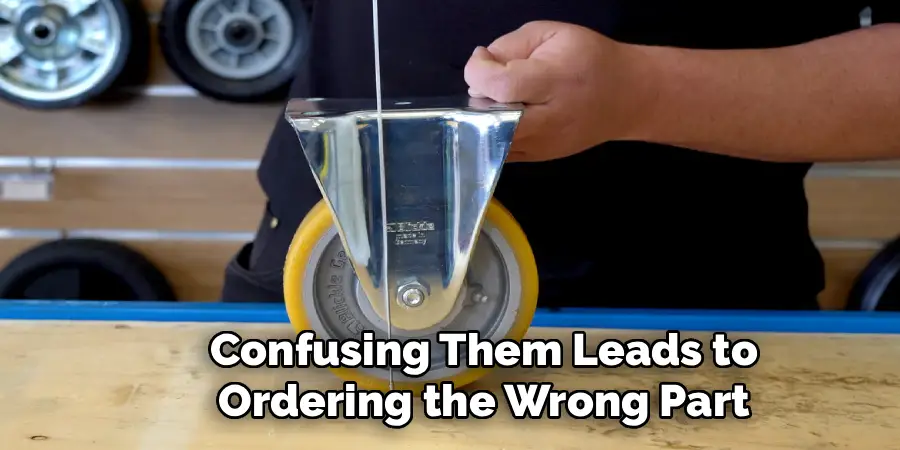
Wheel diameter measures only the wheel itself from top to bottom as it sits on the floor. Overall caster height includes the wheel plus the mounting hardware, such as the stem or plate bracket. These two numbers are always different, and confusing them leads to ordering the wrong part. Always measure both separately to make sure your replacement fits properly and keeps equipment at the correct working height.
Can I Replace A Caster Wheel Without Replacing The Entire Caster Assembly?
Yes, in many cases you can. If the mounting bracket and hardware are still in good condition, you only need to replace the wheel itself. To do this, you need accurate measurements of the wheel diameter, width, and bore size. Some wheels snap on and off easily, while others are secured with a nut and bolt. Check the existing assembly before ordering to confirm you’re buying a compatible replacement wheel.
What Tools Do I Need To Measure A Caster Wheel Accurately?
A standard ruler or tape measure handles most measurements well. For more precise readings — particularly on the bore diameter and stem size — a digital caliper gives much better accuracy. A flat surface to place the wheel on and a notepad to record measurements round out what you need. You don’t need any specialized equipment, and the whole process can be completed in under ten minutes with basic tools.
How Do I Know What Load Capacity I Need For My Replacement Wheel?
Take the total weight the equipment carries when fully loaded and divide it by the number of caster wheels. Add a safety buffer of around 25 percent on top of that figure. The result is the minimum load rating each wheel should be rated for. Most product listings display the load capacity per wheel clearly, so you can match this number directly when shopping for a replacement.
Does Wheel Material Affect Which Size I Should Choose?
Wheel material affects performance more than sizing, but it’s still worth considering together with your measurements. Harder materials like nylon or polyurethane roll easily on smooth floors but can be loud or damaging on hardwood. Softer rubber wheels absorb vibration better and are gentler on floors. Once you have your size measurements confirmed, choose the material based on your floor type and load requirements to get the best overall performance.
Conclusion
Measuring a caster wheel is a straightforward process once you know what to look for. You’ve covered the essential dimensions — wheel diameter, width, bore size, mounting type, and overall height — and you understand why each one plays a role in finding the right replacement. Taking the time to gather every measurement before placing an order is always the smarter approach.
Now that you know how to measure caster wheels from start to finish, you’re ready to shop with confidence. Work through each step, record your numbers carefully, and you’ll end up with a wheel that fits perfectly, moves smoothly, and holds up under the weight it’s designed to carry. The few minutes you invest in measuring correctly save you from the hassle of returns and repeated orders.
