
Carpeted homes offer warmth and comfort, but one persistent challenge many homeowners face is the threat of furniture indentations and long-term damage. Whether you’ve invested in plush high-pile carpeting or chosen a more durable Berber, the constant pressure from heavy furniture can cause permanent compressing and visible wear that is hard to conceal. Fortunately, with a little planning and care, you can avoid most issues altogether. This guide on how to protect carpet from heavy furniture will walk you through prevention, simple fixes, and ongoing maintenance, giving you all the tools you need for attractive, resilient flooring.
Understanding the Enemy: How Furniture Damages Carpet
Why Furniture Leaves Marks
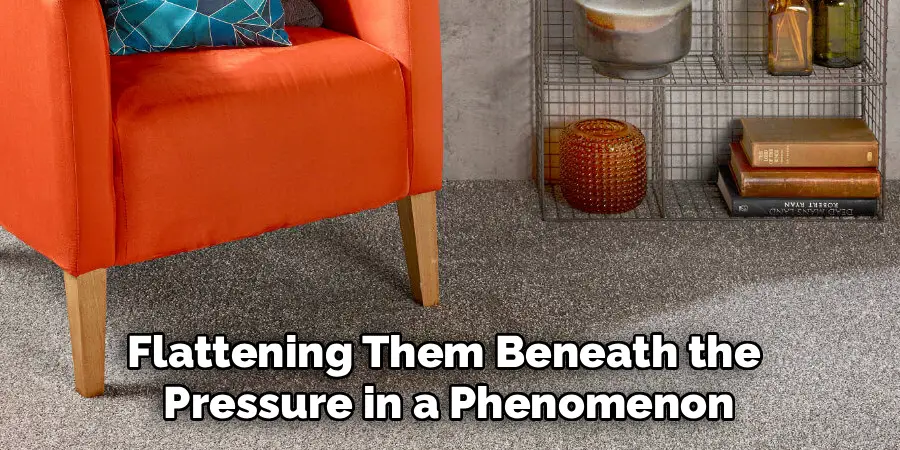
Every time you set a heavy sofa, bed, or bookshelf on your carpet, gravity begins to work against you. Over days and weeks, the weight compresses the carpet fibers, flattening them beneath the pressure in a phenomenon known as pile crush. The longer the pressure is applied, the more difficult it becomes for compressed fibers to bounce back, leading to those stubborn dents that can appear permanent.
Additional Risks: More Than Just Indentations
Beyond basic crushing, there are a few more hazards to your carpet you should consider. Dragging heavy furniture across the surface can pull or tear the fibers, leaving visible scars that may unravel over time. Trapped moisture under the legs of furniture, especially in humid rooms, can foster the growth of mold and create persistent stains. Preventing these forms of damage requires forethought and the right protective methods.
The Front Line of Defense: Furniture Coasters, Cups, and Pads
To combat the impact of heavy furniture, furniture coasters, cups, and pads are among the most straightforward solutions you’ll find.
Furniture Coasters and Cups: Spreading the Pressure
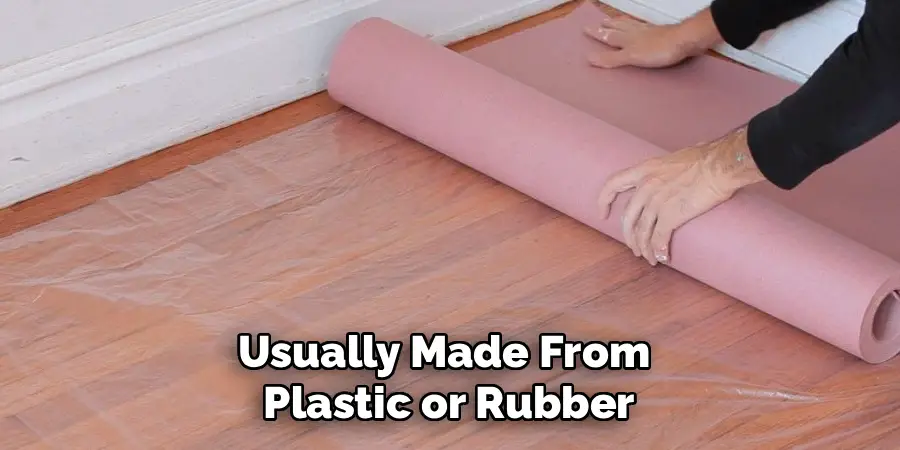
Wide-based coasters and cups, usually made from plastic or rubber, sit under the feet of your furniture. By creating a larger contact surface with the carpet, these devices reduce the amount of pressure exerted on any single spot. This is especially beneficial for items that won’t be moved often, such as entertainment centers or beds.
Furniture Pads and Sliders: Smooth Transition
For furniture that you rearrange periodically or that sits on multiple flooring types, felt or plastic sliders are worth considering. These pads not only provide a thin layer of protection between furniture legs and carpet, but make it far easier to reposition your furniture without causing snags, pulls, or additional wear to the fibers.
Special Attention for Caster Wheels
Furniture with wheels—like rolling office chairs or beds with casters—can be especially harsh. Caster cups are small trays designed specifically to cradle wheels, stopping them from pressing too deeply into your carpet pile.
Spreading the Load: Advanced Weight Distribution Strategies
Solutions for Extra-Heavy Furniture
Some pieces of furniture weigh enough that they require more than small coasters. For grand pianos, large bookcases, or heavy dressers, using a foundation like a thin sheet of plywood or strong acrylic can distribute the weight across a much greater area. When discreetly placed under the furniture, these solutions are invisible and highly effective.
Area Rugs: An Extra Layer of Protection
Placing a dense area rug between your carpet and heavy furniture offers even more protection. Rugs buffer the impact, shield the carpet from direct friction, and can be easily rotated or replaced as necessary.
How to Protect Carpet from Heavy Furniture: The Power of Rearrangement
The Importance of Moving Furniture Periodically
A surprisingly simple way to fight fiber crush is by occasionally changing your furniture layout. Even shifting the position by just a few inches twice a year can prevent the same carpet fibers from being under constant stress. This allows the compressed fibers to recover and leads to more even overall wear in your space.
Making Rearrangement Part of Your Routine
You don’t have to overhaul your entire room to benefit from this strategy. Pair furniture rotation with a regular deep-cleaning schedule, or plan small tweaks during seasonal cleaning efforts. Over time, you’ll notice fewer deep dents and a fresher look across your carpet.
Moving Day and New Furniture Prep: Minimizing Damage
Preparing for Movement
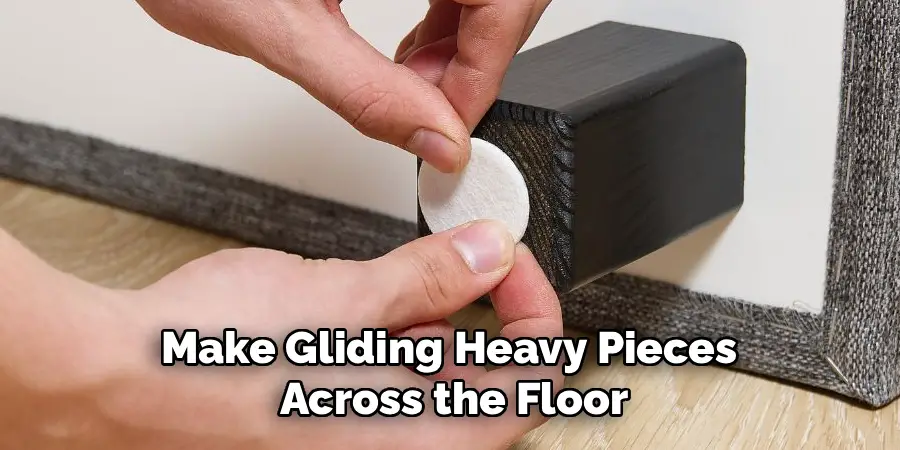
The event of moving heavy items—whether getting new furniture delivered or rearranging your space—poses one of the highest risks to your carpet. It’s crucial to plan by utilizing furniture sliders beneath every large item. These sliders prevent snags and make gliding heavy pieces across the floor much safer for your carpet.
Navigating the Move with Care
Always lift furniture when possible, rather than dragging. If you must drag an item, make sure there’s a protective layer—such as cardboard or an old blanket—along the path. For particularly busy move-in or move-out days, laying down runner rugs or protective coverings in high-traffic zones will help minimize pile distress and prevent tracking in outside dirt.
Removing the Evidence: How to Fix Existing Furniture Dents

Step-by-Step Restoration Techniques
Sometimes, despite your best intentions, dents appear. Fortunately, there are proven methods to restore your carpet’s look.
The Ice Cube Method: Gentle Hydration for Recovery
Start by placing a single ice cube in each deep dent. Allow the ice to melt slowly over the compressed fibers. The gradual moisture will help the fibers expand. Once the area is damp, use a clean, stiff-bristled brush or the rounded edge of a spoon to gently coax the fibers upright again. For persistent marks, repeat as needed.
Steam and Fluff: Using Heat for Restoration
Another approach involves gentle steam. Hold a steam iron a few inches above the dent (never touching the carpet directly) and let the steam penetrate the fibers. For those without a steam iron, a hairdryer set to warm or hot can achieve similar results. Once the fibers have warmed and softened, gently fluff them with your fingers or a carpet rake to restore volume.
Patience and Repetition Pay Off
Deep dents may require several attempts with either method. Be gentle to avoid damaging the carpet backing. With regular care, many “permanent” dents can be greatly reduced or eliminated.
Special Considerations for Different Carpet Types
Berber and Looped Pile Carpets
Not all carpets should be treated the same way. Berber and looped pile carpets, with their woven loops, are especially prone to snagging. For these styles, select smooth-bottomed sliders and avoid any protectors with sharp or rough edges. Dragging anything over these carpets can pull loops free and lead to visible damage over time.
High-Pile, Shag, and Wool Carpets
Soft, luxurious carpets such as shag or wool compress more easily under weight. Wide-based coasters are particularly beneficial for these fibers, as they spread out the load and minimize visible dents. Frequent fluffing, either by hand or with a grooming rake, can help these plush carpets retain their resilience.
Long-Term Maintenance for a Resilient Carpet
Daily and Annual Care
The secret to keeping carpet fibers springy is ongoing maintenance. Vacuuming regularly prevents dirt from compacting fibers and keeps them upright. Pay extra attention to areas beneath and around heavy furniture, as dust and grime can accelerate wear.
Incorporating Professional Cleaning
Scheduling an annual professional carpet cleaning can make a tremendous difference. Deep-cleaning helps restore bounce and removes residual dirt, revitalizing your entire floor, including those hidden spots beneath stationary furniture.
Common Mistakes to Avoid in Carpet Protection
Missteps to Watch For
Even the most well-meaning homeowners may make avoidable errors. Using cheap plastic protectors with sharp edges can slice or scar carpet fibers, accelerating damage. Dragging heavy items across the floor without any protection almost always leads to tears or permanent tracks.
Don’t Give Up Too Soon on Dents
Another common mistake is assuming dents are permanent without trying restoration methods like ice or steam. With a little persistence, many marks can be faded or removed entirely. By staying attentive and proactive, you’ll prevent small issues from becoming major eyesores.
Frequently Asked Questions About Carpet Care
How Can I Prevent Damage From Heavy Furniture?
To prevent damage, use furniture coasters or pads under the legs of heavy pieces to distribute the weight evenly. Additionally, avoid dragging furniture across the carpet and instead lift items to reposition them.
What Is the Best Way to Clean Spills and Stains?
The key to cleaning spills is acting quickly. Blot the area gently with a clean, dry cloth to absorb the liquid and avoid rubbing, which can push the stain deeper into the fibers. Use a carpet cleaner suitable for your type of carpet for better results.
Can Dents in the Carpet Really Be Removed?
Yes, small dents caused by furniture can often be removed. Techniques like placing an ice cube on the dent and then fluffing the fibers with a spoon or comb can help restore the carpet’s texture.
Should I Vacuum My Carpet Daily?
Vacuuming daily is not necessary for most households. For regular maintenance, vacuuming once or twice a week is sufficient. High-traffic areas, however, may benefit from more frequent vacuuming to prevent dirt buildup.
How Often Should I Deep Clean My Carpet?
Carpets should be deep cleaned every 12 to 18 months, depending on use and traffic levels. For homes with pets or allergies, more frequent deep cleaning may be necessary to maintain hygiene.
Conclusion
Learning how to protect carpet from heavy furniture is a vital skill for every homeowner who wants to keep their flooring attractive and long-lasting. By understanding the causes of carpet damage, using the right protective products, adopting smart weight-distribution strategies, and practicing regular maintenance, you create a far more resilient (and beautiful) living space. With this knowledge, you can enjoy stylish carpeted rooms that look fresh, inviting, and free of unsightly dents for years to come.
