
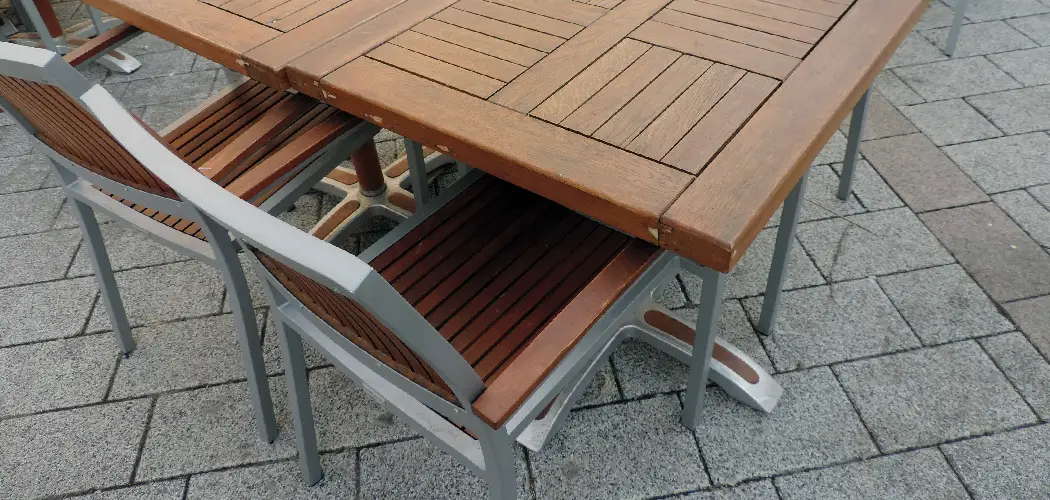
Steel table legs are tough, durable, and built to last — but leave them exposed to moisture long enough, and rust will find a way in. What starts as a small orange patch can spread across the entire leg if you ignore it, weakening the metal and making your table look neglected no matter how nice the top is.
The good news is that knowing how to remove rust from steel table legs is a skill anyone can pick up in an afternoon. You don’t need professional equipment or a background in metalwork. With the right supplies and a clear process, you can strip away rust, restore the surface, and protect it so the problem doesn’t come back.
Why Removing Rust From Steel Table Legs Matters
Rust isn’t just a cosmetic problem. Left untreated, it eats into the metal progressively, thinning the steel and compromising the structural integrity of the leg over time. A table that looks slightly rusty today could develop weak joints or pitting within a year if nothing is done.
There’s also a practical safety concern. Flaking rust can transfer to floors, clothing, and skin, and in outdoor settings, it accelerates under humidity and rain at a pace that surprises most people.
Step-By-Step Guide To How To Remove Rust From Steel Table Legs
Step 1: Assess The Severity Of The Rust
Before you reach for any tools, take a close look at what you’re dealing with. Surface rust — the kind that appears as orange staining or light flaking — is the easiest to treat and responds well to household methods like white vinegar or a wire brush. Deeper rust, which shows as pitting, scaling, or dark brown craters in the metal, needs more aggressive treatment and may require multiple rounds of scrubbing.

Run your finger along the affected area to feel whether the metal is still smooth underneath or genuinely pitted. If the steel feels solid beneath the rust layer, you’re in good shape. If you can feel craters or loose flaking metal, plan for extra sanding time and consider a chemical rust remover rather than relying on mechanical scrubbing alone. Knowing the severity upfront saves you from underestimating the job.
Step 2: Gather Your Supplies
You’ll need a wire brush or steel wool, medium and fine-grit sandpaper (around 120 and 220 grit), white vinegar or a commercial rust remover, a clean cloth or rag, a bucket of warm water, dish soap, gloves, and safety glasses. For the finishing stage, pick up a metal primer and a rust-inhibiting paint or clear coat rated for steel. All of these are available at any hardware store for a modest total cost.
Having everything ready before you start means the job flows without interruption. Stopping mid-process — especially after applying a rust remover — can leave chemicals sitting on the metal longer than recommended. Lay out your supplies in your work area, put on your gloves and safety glasses, and make sure you’re working in a ventilated space, especially if you’re using a chemical rust remover that produces fumes.
Step 3: Clean The Surface Before Treating The Rust
Wipe down each leg with a damp cloth to remove any loose dirt, dust, or grease. Then wash the legs with warm water and a small amount of dish soap, scrubbing lightly with a cloth. Grease and grime act as a barrier between your rust treatment and the metal surface, so skipping this step means your vinegar soak or rust remover won’t work as effectively as it should.
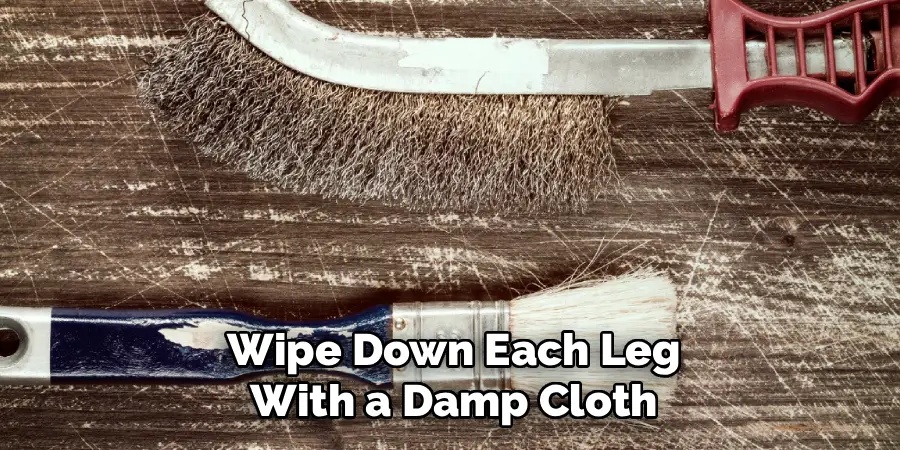
Rinse the soap off completely and dry the legs with a clean towel. Don’t leave water sitting on the metal after cleaning — that just adds moisture to a surface that’s already been compromised by rust. A quick wipe-down followed by a few minutes of air drying is enough before you move on to the treatment stage.
Step 4: Apply White Vinegar Or A Rust Remover
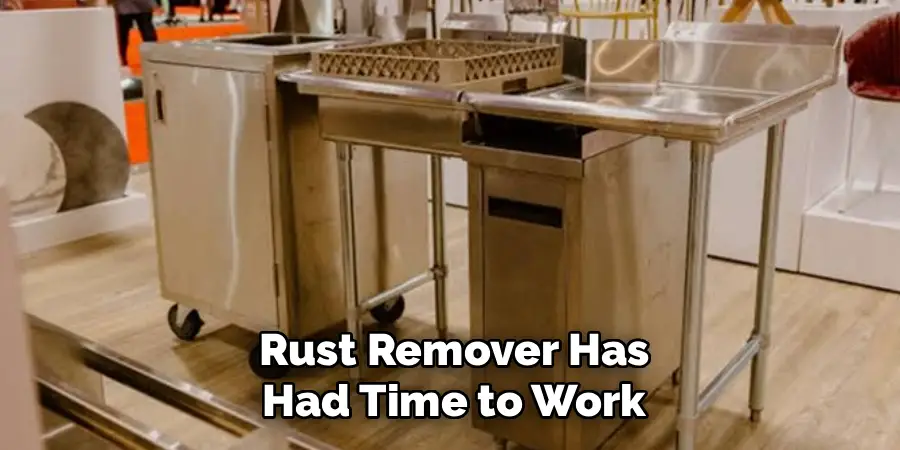
For surface rust, soak a cloth in undiluted white vinegar and wrap it around the affected area, leaving it in place for one to two hours. The acetic acid in vinegar reacts with rust and breaks it down without damaging the underlying steel. For deeper rust, apply a commercial rust remover gel or liquid according to the product’s instructions — most require a 15- to 30-minute dwell time before scrubbing.
Understanding how to remove rust from steel table legs effectively at this stage means letting the chemistry do the heavy work before you start scrubbing. Trying to scrub dry rust off bare metal is harder and risks scratching the surface more than necessary. The vinegar or remover loosens the rust’s grip on the steel, so when you get to the next step, far less manual effort is needed to clear the surface.
Step 5: Scrub And Sand The Affected Areas
Once the vinegar or rust remover has had time to work, use a wire brush or coarse steel wool to scrub the loosened rust away. Work in short back-and-forth strokes following the grain of the metal where possible. You’ll see rust flakes and orange residue lifting off as you scrub — that’s a good sign. Apply firm, even pressure rather than jabbing at the surface, which can gouge the steel unnecessarily.
After the bulk of the rust is removed, switch to 120-grit sandpaper to smooth out any remaining staining or rough patches, then follow up with 220-grit for a finer finish. Sanding prepares the surface for primer by giving it a slight texture that helps the coating bond properly. Wipe away all sanding dust with a dry cloth before moving on. The surface should feel smooth and have a consistent, slightly dull appearance.
Step 6: Dry Thoroughly And Apply Primer
After scrubbing and sanding, rinse the legs one more time with clean water to remove any remaining rust remover residue, then dry them completely. Use a towel first, then let them air dry for at least 20 to 30 minutes in a warm space. Any residual moisture trapped under primer will cause the coating to bubble and fail — complete drying is one of the steps people most often rush, and it’s where many DIY rust repairs fall apart within weeks.
Once the metal is fully dry, apply a metal primer in thin, even coats. Hold the spray can or brush at a consistent distance and work in steady passes rather than saturating one spot. Two light coats of primer with a 15-minute drying window between them gives better adhesion than one heavy coat. Primer seals the surface and ensures the topcoat bonds properly, creating a barrier that keeps moisture and oxygen away from the steel.
Frequently Asked Questions
Can I Use Baking Soda Instead Of Vinegar To Remove Rust?
Yes, baking soda mixed with water into a thick paste can work on minor surface rust. Apply it to the affected area, let it sit for about an hour, then scrub with a wire brush or steel wool. It’s gentler than vinegar and less effective on heavy rust, but it’s a reasonable option for light staining or spot treatment on legs that are mostly clean. For anything deeper than surface-level rust, a commercial rust remover will give better results with less effort.
How Long Does The Whole Process Take?
For light surface rust, you can realistically complete the full process — cleaning, treating, scrubbing, sanding, priming, and coating — in three to four hours, with most of that time spent waiting for products to dry or dwell. Heavier rust may require two treatment and scrubbing sessions, adding another hour or two. Budget a full day if you want to include proper primer curing time before applying the topcoat, especially if you’re working in a cooler space where drying takes longer.
Do I Need To Strip The Old Paint Before Treating The Rust?
If the existing paint is peeling or bubbling around the rusted area, yes — loose paint needs to come off before treatment. Rust hiding under intact paint can be treated by sanding through to the bare metal in the affected spots only. Leaving solid, well-adhered paint in place and only removing what’s compromised saves time and preserves any finish that’s still in good condition. If the paint is flaking across large sections, stripping the entire leg and starting fresh gives a more uniform and durable result.
What’s The Best Rust Remover For Steel Table Legs?
Gel-based rust removers like Evapo-Rust, Rust-Oleum Rust Dissolver, or WD-40 Specialist Rust Remover are reliable choices for steel furniture. Gels are especially practical for vertical surfaces because they stay in place rather than running off, giving the product time to work. Always follow the manufacturer’s instructions for dwell time and rinsing. For light rust, white vinegar is a cost-effective alternative that works well without introducing harsh chemicals into a home workspace.
Will The Rust Come Back After Treatment?
It can, but a properly primed and coated surface resists rust significantly longer than untreated steel. The main factors that cause rust to return are incomplete removal before coating, moisture getting under the finish through chips or scratches, and skipping annual maintenance. Touch up any paint chips promptly, keep the legs dry, and apply a protective wax or sealant once a year. Outdoor table legs in wet climates may need re-coating every two to three years as part of normal upkeep.
Conclusion
Rust on steel table legs is a fixable problem — one that gets easier the earlier you catch it. The process comes down to a few key habits: assess the damage before you start, let your rust treatment do its job before scrubbing, sand the surface smooth, and always seal with primer and a protective topcoat. Miss any one of those steps and the rust tends to return faster than expected.
Preventing future rust is just as important as the restoration itself. A quick wipe-down after spills, an annual protective coat, and keeping legs away from standing water will extend the life of your work by years. Now that you know how to remove rust from steel table legs the right way, you have everything you need to restore your furniture and keep it looking sharp. Clear some time this weekend, gather your supplies, and get started — the results are well worth the afternoon.
