

Zero gravity chairs are the pinnacle of outdoor relaxation, offering a weightless experience that eases tension and promotes comfort. But like any piece of outdoor furniture, they require some maintenance to keep them in top condition.

The elastic cord system that provides that signature flexibility can wear out over time, leading to a sagging, unsupportive chair. The good news is that you don’t need to buy a whole new chair.
How to replace zero gravity chair cord is a simple, cost-effective fix that can restore your chair to its former glory. This guide will walk you through everything you need to know.
What are the Causes?
The elastic cord of a zero gravity chair is surprisingly durable, but it isn’t indestructible. Several factors can contribute to its eventual failure, making a replacement necessary.
- General Wear and Tear: This is the most common culprit. With every use, the elastic cords stretch and retract. Over hundreds of cycles, the material naturally loses its elasticity, becoming stretched out and less resilient. You’ll notice the chair doesn’t feel as supportive or “bouncy” as it once did.
- Exposure to the Elements: Most zero gravity chairs live outdoors. Constant exposure to the sun’s UV rays can degrade the cord’s material, making it brittle and prone to snapping. Rain, humidity, and extreme temperature fluctuations also take their toll, accelerating the aging process.
- Improper Usage: These chairs are designed for reclining, not for bouncing or being used as a trampoline. Exceeding the weight limit or putting sudden, sharp stress on the cords can cause them to snap prematurely. Similarly, folding and unfolding the chair improperly can snag or pinch the cords, causing damage over time.
What Will You Need?
Before you begin, gathering the right tools and materials will make the process much smoother. Here’s what you should have on hand:
- Replacement Cord Kit: These are readily available online or at hardware stores. They usually come with pre-cut lengths of cord (typically two long and two short) with metal or plastic tips to make threading easier. Ensure the kit is designed for a zero gravity chair.
- Scissors or Pliers: A sturdy pair of scissors or pliers will be needed to cut off the old, worn-out cord.
- Lighter (Optional): If your new cord doesn’t have pre-attached tips, a lighter can be used to slightly melt the ends. This prevents fraying and makes it easier to thread the cord through the eyelets.
- A Clean, Flat Workspace: Having enough space to lay the chair down and work around it is essential. A patio, garage floor, or lawn works well.
10 Easy Steps on How to Replace Zero Gravity Chair Cord
Replacing the cord might seem complicated, but it’s a straightforward process when broken down into steps. We will lace one side completely before moving to the other to maintain the chair’s structural integrity.
Step 1: Prepare Your Workspace and Chair
Start by laying your zero gravity chair on a flat, stable surface. This gives you easy access to the entire lacing system. Take a moment to observe how the existing cord is woven through the eyelets on the chair’s frame and the fabric.
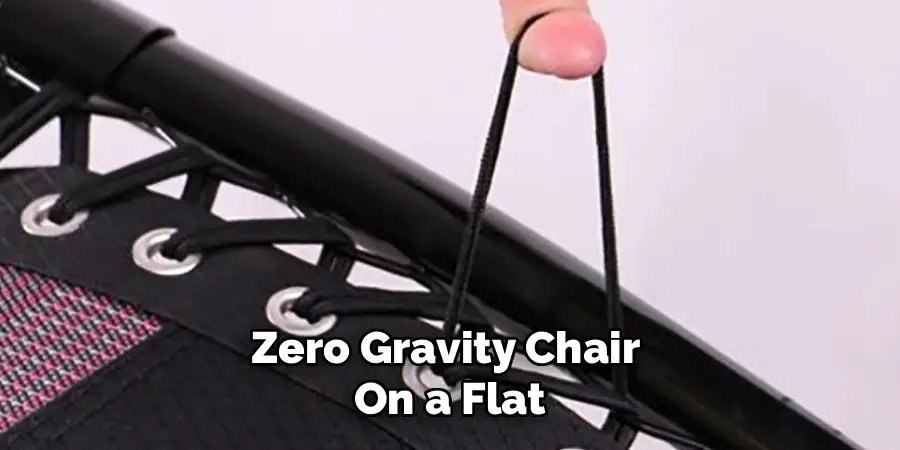
It’s helpful to take a picture with your phone so you have a visual reference of the original pattern. You’ll generally see two separate cord systems: a shorter one for the top (backrest) section and a longer one for the bottom (seat and leg rest) section.
Step 2: Remove the Old Top Cord
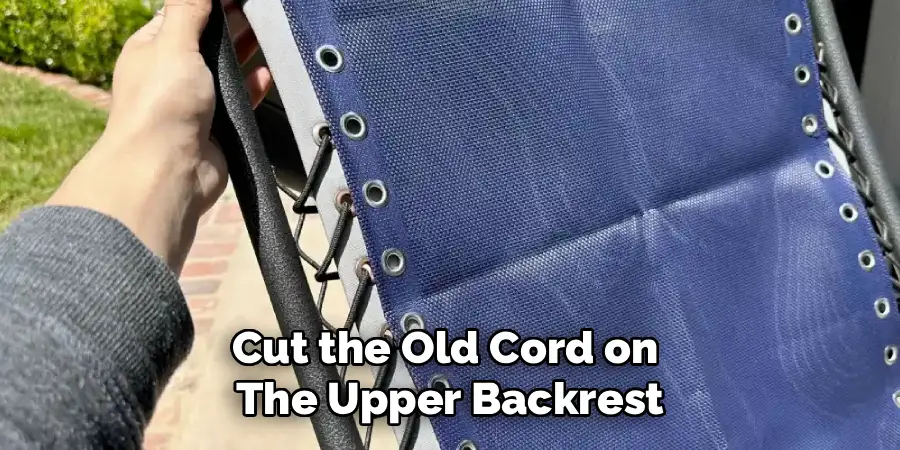
Using your scissors or pliers, carefully cut the old cord on the upper backrest section of the chair. Be mindful not to damage the chair fabric or frame. Once you make the first cut, the tension will release, and you can easily pull the rest of the cord out from the eyelets. Discard the old cord pieces to avoid confusion.
Step 3: Lace the New Top Cord (First Pass)
Take one of the shorter replacement cords. Start at the top eyelet on the chair’s frame, closest to the backrest. Thread the cord from the outside in, then across to the first eyelet on the fabric panel.
Loop it through the fabric eyelet and back to the second eyelet on the frame. Continue this back-and-forth pattern, working your way down the backrest section. Keep the lacing loose for now; we will tighten it later.
Step 4: Secure the Top Cord (Second Pass)
Once you reach the last eyelet at the bottom of the backrest section, you’ll reverse the process. This “double lacing” is what gives the chair its strength. Loop the cord around the final eyelet on the frame and begin weaving it back up towards the top.
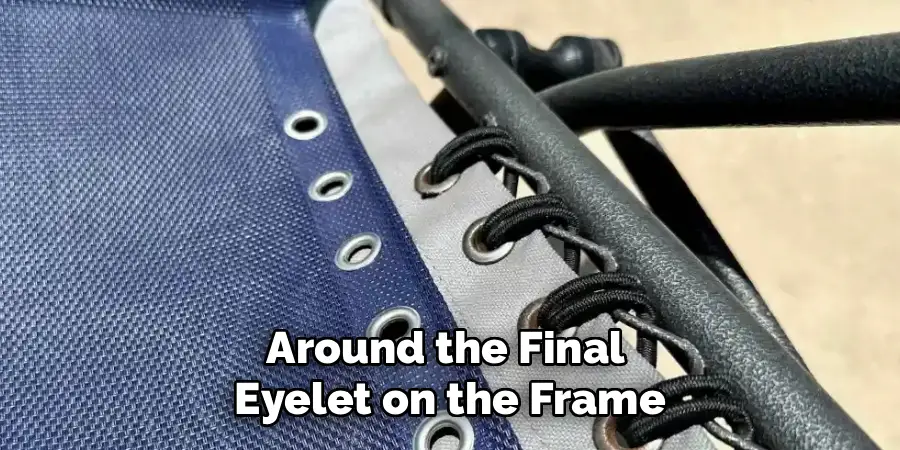
You will thread the cord through the same eyelets, but this time you will wrap it around the existing loops you just created. This secures the fabric firmly to the frame.
Step 5: Tie Off the Top Cord
When you arrive back at the very first eyelet, you’ll have two ends of the cord. Pull them both firmly to remove any slack from the lacing. The fabric should be taut against the frame.
Tie a secure double knot to fasten the ends together. Once knotted, trim any excess cord, leaving about an inch. You can tuck the knot and the trimmed ends behind the frame to keep them out of sight.
Step 6: Remove the Old Bottom Cord
Now, move to the longer bottom section that supports the seat and leg rest. Just as before, use your pliers or scissors to cut the old cord. The tension will release immediately. Carefully pull out all the old pieces from the eyelets on both the frame and the fabric, and discard them.
Step 7: Lace the New Bottom Cord (First Pass)
Take one of the longer replacement cords. Begin at the eyelet on the frame nearest to where the seat and backrest pivot. Following the same method as before, thread the cord from the frame to the fabric, creating a crisscross pattern as you work your way down towards the leg rest.
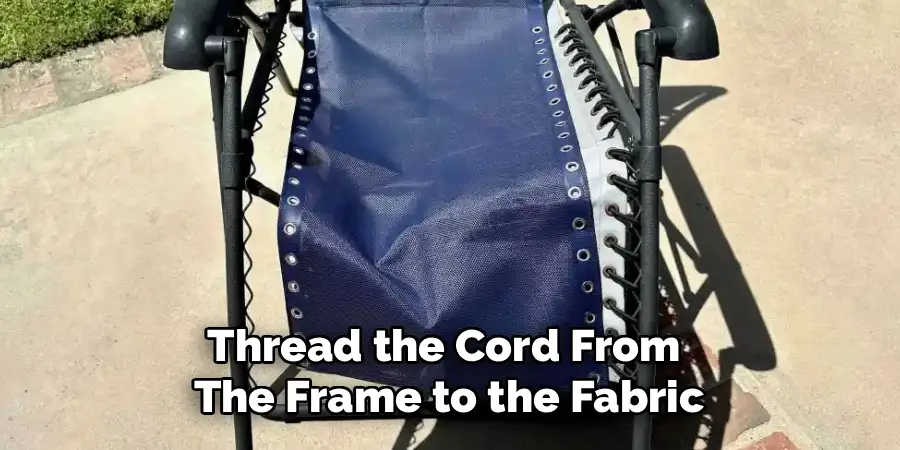
Remember to keep the lacing loose on this first pass to make the second pass easier.
Step 8: Secure the Bottom Cord (Second Pass)
After reaching the final eyelet at the foot of the chair, it’s time to double back. Loop the cord around the last frame eyelet and begin weaving it upwards, wrapping it around the loops you made on the first pass.
This double-lacing technique ensures that the seat can handle the body’s weight without sagging. Continue this pattern all the way back to your starting point.
Step 9: Tie Off the Bottom Cord
Once you’re back at the top of the seat section, pull both ends of the cord tight. Work your hands down the lacing to distribute the tension evenly and ensure there’s no slack left. The seat fabric should feel firm and secure. Tie a tight double knot, trim the excess cord, and tuck the ends away neatly.
Step 10: Repeat on the Other Side
Your final task is to repeat the entire process on the other side of the chair. Replace the top (short) cord first by following steps 2 through 5. Then, replace the bottom (long) cord by following steps 6 through 9. Once both sides are complete, your chair is ready. Test it by sitting down and reclining to ensure everything feels secure and supportive.
5 Things You Should Avoid
- Don’t Cut Both Sides at Once: Removing all the cords at the same time will cause the fabric panel to completely detach from the frame, making it much harder to align and re-lace. Always complete one full side before starting the other.
- Avoid Over-Tightening on the First Pass: If you pull the cord too tight during the initial lacing, you’ll struggle to weave it back through for the second, securing pass. Keep it relatively loose at first, then pull everything taut before tying the final knot.
- Don’t Forget to Double Lace: Single lacing will not provide enough support. The chair will sag excessively and the cord will wear out very quickly. The double-lacing method is crucial for the chair’s strength and function.
- Don’t Use the Wrong Type of Cord: Avoid using simple rope or non-elastic bungee cords. Zero gravity chairs require a specific type of shock cord that has the right balance of elasticity and strength. Always buy a dedicated replacement kit.
- Don’t Skip Taking a “Before” Photo: It’s easy to forget the original lacing pattern once you start pulling the old cord out. A quick photo of the original setup provides an invaluable reference point and can save you a lot of guesswork.
Frequently Asked Questions
How Often Should I Replace My Zero Gravity Chair Cord?
This depends on usage and exposure to the elements. For a chair that’s used frequently and stored outdoors, you might need to replace the cord every two to three years. If the chair is used less often or stored indoors, the cord can last much longer. Inspect it annually for signs of wear.
Can I Use One Long Cord Instead of the Pre-cut Ones?
While possible, it’s not recommended. The pre-cut kits provide separate cords for the top and bottom sections for a reason. Using one continuous cord makes it difficult to achieve the right tension in both the backrest and seat areas, potentially leading to an uncomfortable chair.
What if My Chair’s Lacing Pattern Looks Different?
Most zero gravity chairs use a standard crisscross pattern. However, some models may have slight variations. This is why taking a photo beforehand is so important. Simply follow the original path with the new cord, and the replacement process will work just the same.
Conclusion
Replacing the cord on your zero gravity chair is a simple and rewarding DIY project that extends the life of your favorite piece of outdoor furniture.
By following these steps on how to replace zero gravity chair cord, you can easily restore the comfort and support you love, saving you the expense of buying a new chair. With a little maintenance, your chair will be ready for many more seasons of relaxation.
Now, sit back, recline, and enjoy the fruits of your labor.
