
Wicker furniture has a warm, relaxed look, but old paint, fading, stains, and weather damage can make it look tired. The good news is that you do not need to replace it. With the right prep and paint, you can give chairs, tables, baskets, and patio pieces a fresh finish at home.
Learning how to spray paint wicker furniture matters because wicker has many woven gaps, curves, and hidden angles. A regular brush can leave thick spots, missed areas, and uneven texture. Spray paint reaches into the weave more easily and creates a smoother coat when used correctly.
This guide explains the full process in a simple way. You will learn how to clean wicker, choose the right spray paint, prepare your work area, apply thin coats, and protect the finish. Even if this is your first diy paint project, these steps will help you get a clean, lasting result.
Why Spray Painting Wicker Furniture Matters
Spray painting wicker furniture is an affordable way to refresh pieces that still have good structure. Instead of buying new furniture, you can update the color, cover faded areas, and match your decor with less waste and lower cost.
It also helps protect the surface. Outdoor wicker can fade from sun exposure and collect dirt in the weave. A good paint job adds a cleaner look and may help shield the material from daily wear.
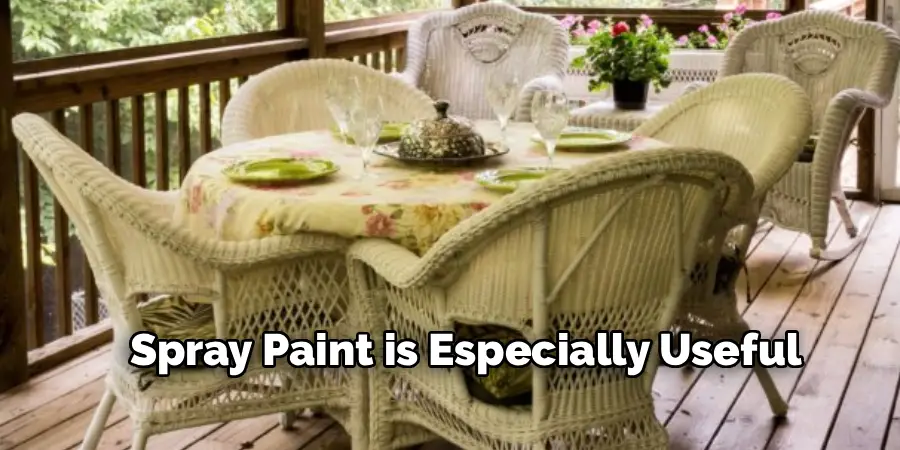
Spray paint is especially useful because wicker has tight spaces that are hard to reach with a brush. When applied in light coats, it can cover the woven texture without clogging the pattern or creating heavy drips.
Step-by-Step Guide To How To Spray Paint Wicker Furniture
Step 1: Check The Condition Of The Piece
Before you start, inspect the wicker carefully. Look for broken strands, loose wrapping, cracks, soft spots, or areas where the weave is pulling apart. Paint can improve the appearance, but it will not fix weak structure.
If you find loose pieces, secure them before painting. Small repairs can often be done with wood glue, craft glue, or replacement reed, depending on the material. Let any repair dry fully before moving forward.
This is also a good time to decide if the piece is worth repainting. When learning how to spray paint wicker furniture, start with an item that is stable, dry, and not badly damaged.
Step 2: Clean Away Dust And Dirt
Wicker traps dust inside its woven pattern, so cleaning is one of the most important steps. Use a vacuum with a brush attachment to remove loose dirt from the surface and between the strands.
After vacuuming, wipe the piece with a damp cloth and mild soap. A soft brush can help clean tight corners, arms, legs, and decorative details. Do not soak natural wicker, because too much water can weaken or warp it.
Let the furniture dry completely before painting. This may take several hours, especially if the piece has deep woven areas. Paint will not stick well to damp, dusty, or greasy surfaces.
Step 3: Remove Loose Paint And Rough Spots
If the old finish is peeling, flaking, or bubbling, remove the loose paint before applying a new coat. Use a soft wire brush, sanding sponge, or fine-grit sandpaper to smooth rough areas gently.
Do not sand too hard. Wicker can be delicate, and heavy pressure may break the strands or damage the woven shape. The goal is not to strip every bit of old paint. You only need to remove anything that is loose or uneven.
After sanding, vacuum the piece again and wipe it with a dry or slightly damp cloth. A clean surface helps the new paint grip better and look more even.
Step 4: Choose The Right Spray Paint
Pick spray paint that works for the type of wicker you have. Natural wicker, rattan, resin wicker, and plastic wicker may need different paint formulas. For most projects, an indoor-outdoor spray paint with good adhesion is a safe choice.
If the piece will stay outside, choose paint made for exterior use. This helps the finish handle sunlight, moisture, and changing temperatures better. For plastic or resin wicker, look for paint that bonds to plastic.
You may also need a primer if the surface is glossy, stained, dark, or uneven. Primer helps improve coverage and can make the final color look smoother and richer.
Step 5: Prepare A Safe Work Area
Set up your painting area before you spray. Work outdoors if possible, or use a well-ventilated space such as an open garage. Spray paint fumes can build up quickly, so fresh air is important.
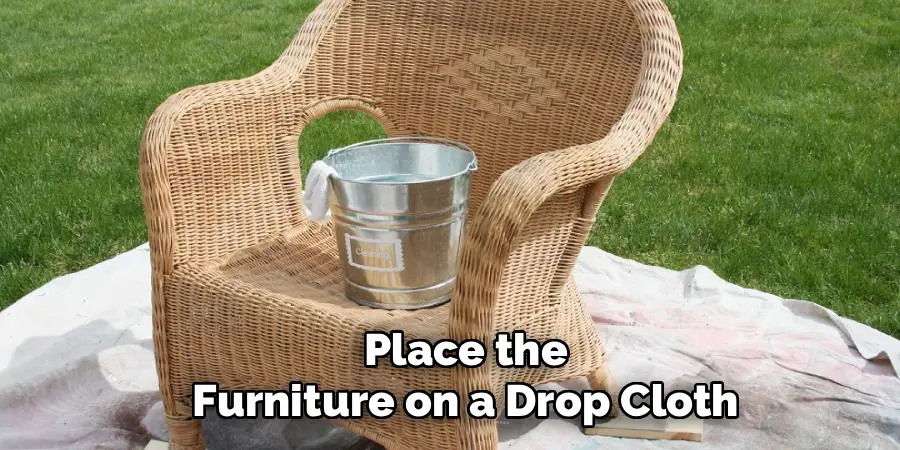
Place the furniture on a drop cloth, cardboard, or plastic sheeting. Make sure the area around the piece is protected, because spray paint can drift farther than expected. Keep pets, children, and nearby items away from the work zone.
Wear a mask, gloves, and old clothes. Shake the can well according to the label. Good setup makes the painting process safer, cleaner, and much easier to control.

Step 6: Apply The First Light Coat
Hold the spray can about 8 to 12 inches from the surface. Start spraying slightly before the paint reaches the furniture, then move across the piece in a steady motion. Release the nozzle after each pass.
Use thin coats instead of one heavy coat. Heavy spraying can clog the wicker pattern, create drips, and leave shiny uneven patches. Light coats dry better and give you more control.
When practicing how to spray paint wicker furniture, focus on covering the weave from different angles. Spray the front, sides, top, and lower edges without staying too long in one spot. The first coat may look thin, and that is normal.
Step 7: Reach Hidden Angles And Gaps
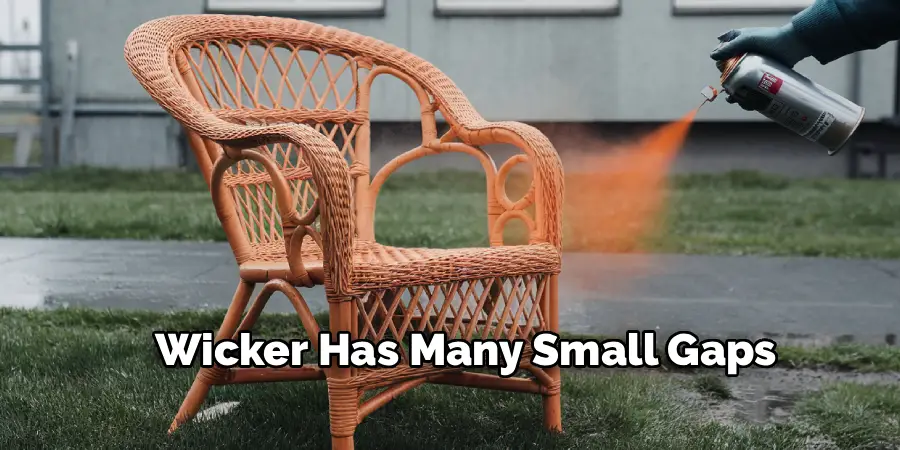
Wicker has many small gaps, so one straight-on coat is rarely enough. After the first coat dries, look closely at the weave. You will likely see missed spots along the inner curves, underside, legs, or back.
Tilt the piece if possible, or move around it to spray from different directions. Use short, controlled passes to reach inside the woven areas. Keep the can moving to avoid buildup.
Do not rush this part. A patient approach gives the furniture a more professional look. It is better to apply several light coats than to flood the surface while trying to cover every gap at once.
Step 8: Let It Dry And Protect The Finish
After the final coat, let the furniture dry in a clean, dust-free area. Follow the drying and curing times on the paint label. The surface may feel dry after a short time, but it can take longer to fully harden.
Avoid sitting on chairs, placing items on tables, or moving the piece too soon. Early use can leave marks, dents, or smudges in the finish.
If the furniture will be used outdoors, consider adding a clear protective topcoat that matches your paint type. Choose the right finish, such as matte, satin, or gloss. Once cured, your wicker should look fresh, smooth, and ready to use.
Frequently Asked Questions
Can You Spray Paint Natural Wicker?
Yes, you can spray paint natural wicker if it is clean, dry, and in good condition. Natural wicker can absorb moisture, so avoid soaking it during cleaning. Use light coats and allow proper drying time between layers. A primer may help if the old finish is dark, glossy, stained, or uneven.
What Kind Of Spray Paint Works Best On Wicker?
An indoor-outdoor spray paint with strong adhesion usually works well for wicker. If the furniture is plastic or resin wicker, choose a spray paint made to bond with plastic. For patio furniture, use exterior-grade paint so the finish can better handle sunlight, moisture, and regular outdoor use.
Do I Need To Sand Wicker Before Painting?
You do not need heavy sanding, but light prep is helpful. Remove loose paint, rough spots, and flaking finish with a sanding sponge or soft brush. Be gentle, because wicker strands can break under too much pressure. After sanding, clean away all dust before applying primer or paint.
How Many Coats Of Spray Paint Does Wicker Need?
Most wicker furniture needs two to four light coats for even coverage. The exact number depends on the color, paint quality, old finish, and how tightly the piece is woven. Thin coats are better than thick coats because they reduce drips and help preserve the natural woven texture.
Can Painted Wicker Furniture Stay Outside?
Painted wicker can stay outside if the material and paint are suitable for outdoor use. Resin wicker usually handles weather better than natural wicker. Use exterior spray paint and consider a clear protective topcoat. Even with protection, keeping the furniture under cover can help the finish last longer.
Conclusion
Spray painting wicker is a simple way to update furniture without spending a lot of money. The key is careful preparation, light coats, and enough drying time. Start by checking the condition of the piece, cleaning the weave, removing loose paint, and choosing a spray paint that matches the material.
Take your time as you spray from different angles. Wicker has many hidden areas, so patient coverage matters more than speed. Thin coats will help you avoid drips while keeping the woven texture clear.
Now that you know how to spray paint wicker furniture, you can refresh old chairs, tables, baskets, and patio pieces with more confidence. Pick your color, prepare your space, and give your furniture a clean new look.
