
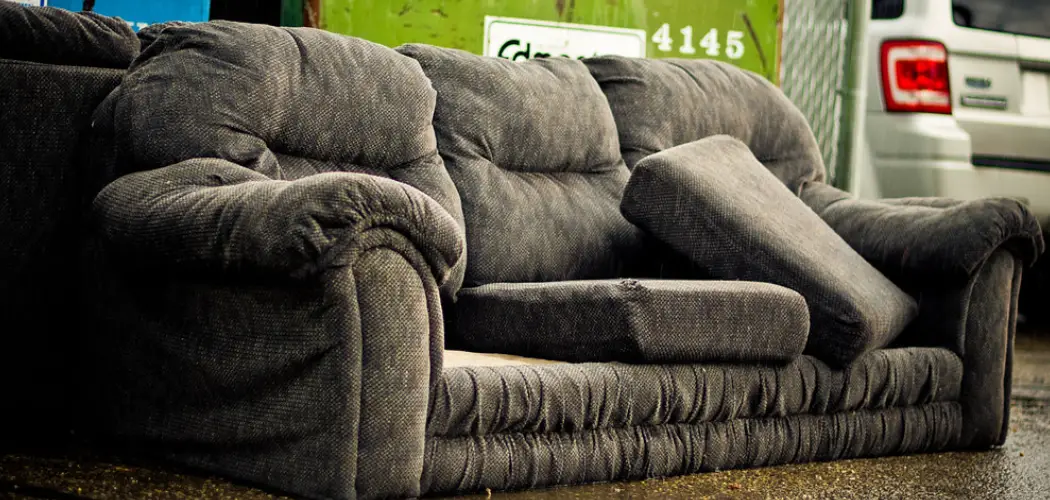
A sofa recliner can be heavy, bulky, and awkward to move through doors, hallways, or stairs. If you are moving homes, replacing flooring, repairing a mechanism, or getting rid of old furniture, taking it apart can make the job much safer and easier.
Learning how to dismantle a sofa recliner helps you avoid damage to walls, floors, fabric, and the recliner frame itself. It also reduces lifting strain because you can move smaller sections instead of forcing one large piece through a tight space.
Most sofa recliners are built with removable backs, metal brackets, screws, bolts, and sometimes electrical parts for power reclining features. The exact setup depends on the brand and model, but the basic process is similar for many designs.
This guide walks you through each step in a simple, beginner-friendly way so you can work with confidence, stay organized, and avoid common mistakes.
Why Dismantling A Sofa Recliner Matters
Dismantling a sofa recliner makes moving, repairing, cleaning, or disposal much easier. Recliners are often wider and heavier than standard sofas because they include metal frames, moving footrests, springs, levers, motors, and extra padding.
Taking the sofa apart can help protect your home from scratches, dents, and torn upholstery. It also helps you avoid injuries caused by lifting a large piece at a bad angle.
For repairs, dismantling gives you better access to hidden parts such as cables, brackets, hinges, and motors. For moving, it allows you to carry the recliner in sections. With the right approach, you can save time, reduce stress, and keep the furniture in better condition.
Step-by-Step Guide To How To Dismantle A Sofa Recliner
Step 1: Prepare The Work Area
Start by clearing space around the sofa recliner. Move tables, rugs, lamps, and other furniture out of the way so you have room to walk around the piece safely. You may need to tilt, slide, or turn the recliner during the process.
Place a blanket, cardboard, or moving pad under the sofa to protect the floor. This also makes it easier to slide the sections without scratching wood, tile, or vinyl.
If you are learning how to dismantle a sofa recliner for the first time, take your time during setup. A clean, open area helps you see parts clearly and reduces the chance of losing screws or damaging the upholstery.
Step 2: Unplug And Check For Power Parts
If your sofa recliner has power controls, unplug it before touching any internal parts. Some models have power cords, battery packs, control boxes, USB ports, or wires running between seats. Disconnecting power first helps prevent electrical issues and keeps you safer while working.
Look behind and underneath the sofa for cables. Do not pull on wires forcefully. Many connectors have clips or plugs that must be released gently.
Once the power is disconnected, press the recliner buttons once to confirm nothing moves. If the sofa has a battery backup, remove or disconnect it if possible. Always handle wires with care, especially if you plan to reassemble the recliner later.
Step 3: Take Photos Before Removing Parts
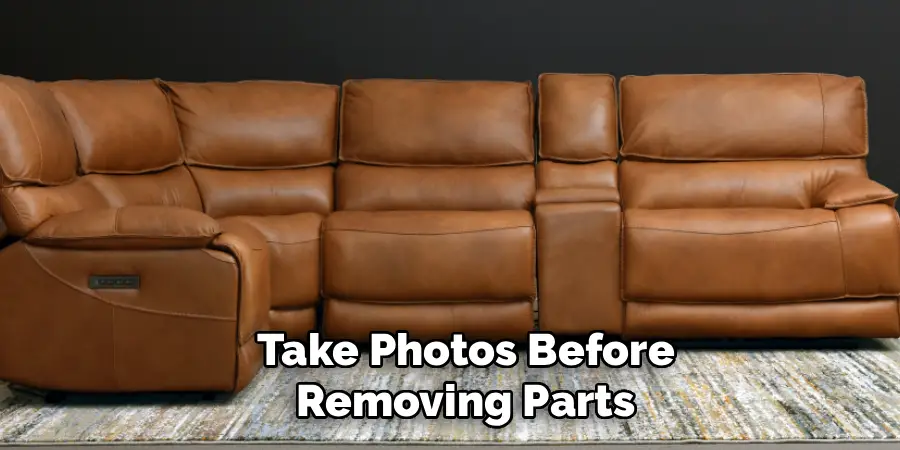
Before removing anything, take clear photos of the sofa from the front, back, sides, and underside. Then take close-up photos of brackets, screws, cables, levers, and any connection points you can see.
These photos are very useful during reassembly. Even a simple recliner can become confusing once the back, seats, and hardware are separated. A quick photo can show which side a bracket faced or where a cable was routed.
You can also label parts with painter’s tape. Write simple notes such as left back, right seat, front bolt, or power cable. This small step can save a lot of time later.
Step 4: Remove Cushions And Loose Pieces
Take off any loose cushions, pillows, arm covers, or removable fabric panels. Some sofa recliners have attached cushions, while others have seat cushions that lift out. If a cushion does not move easily, do not force it. It may be fixed to the frame.
Check for zippers, Velcro strips, snaps, or hidden fabric flaps. These can cover screws or brackets. Lift gently and look underneath before pulling.
Place all loose pieces in one safe area. If you are moving the sofa, wrap cushions separately to keep them clean. Removing these parts makes the recliner lighter and gives you better access to the frame and hardware.
Step 5: Release The Recliner Backs
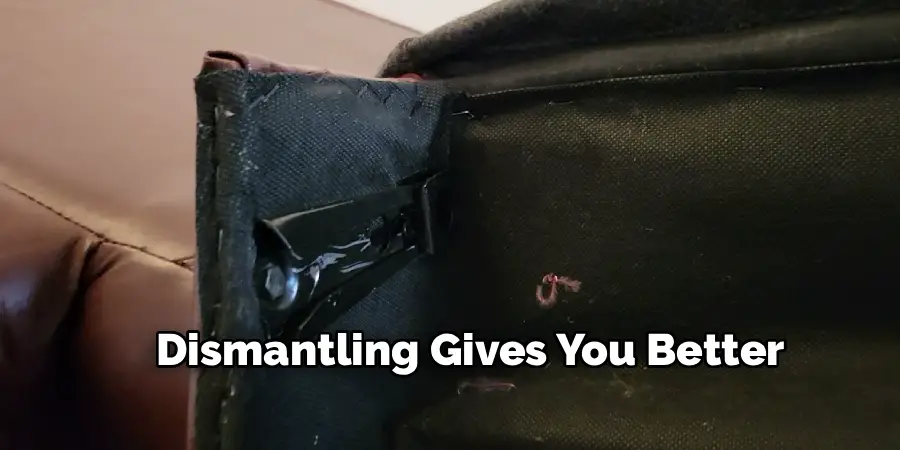
Many sofa recliners have removable backs. Move behind the sofa and look for metal locking tabs, brackets, or levers near the base of each backrest. These are often found where the back connects to the seat frame.
Use your fingers or a flathead screwdriver to lift or unlock the tabs. Once released, hold the backrest firmly and pull it upward. It may need a gentle rocking motion, but it should not require extreme force.
A big part of how to dismantle a sofa recliner is understanding that each seat section may release separately. If one back comes off easily but another does not, check for a second lock or hidden bracket before pulling harder.
Step 6: Remove Bolts And Frame Connectors
After the backs are removed, look for bolts, screws, or metal plates connecting the seat sections. These may be under the sofa, behind fabric flaps, or along the lower frame. Use the correct tool, such as a socket wrench, screwdriver, or Allen key.
Turn the sofa carefully onto its back or side if needed. Have another person help if the recliner is heavy. Never place your fingers near moving metal parts while shifting the frame.
Remove hardware slowly and keep it organized. A small container or labeled bag works well. If bolts are different sizes, note where each one came from so reassembly is easier.
Step 7: Separate The Seat Sections
Once the main connectors are removed, the sofa may split into individual seat sections. Some models use metal clips or slide-in brackets between seats. Others are connected by bolts through the frame.
Gently pull the sections apart while watching for wires, cables, or fabric still attached between them. If something resists, stop and inspect the area instead of forcing the pieces apart.
Keep each section upright and stable as you separate it. Recliner mechanisms can be heavy, and some parts may shift when disconnected. If you are moving the pieces, lift from the frame rather than pulling on arms, cushions, or footrests.
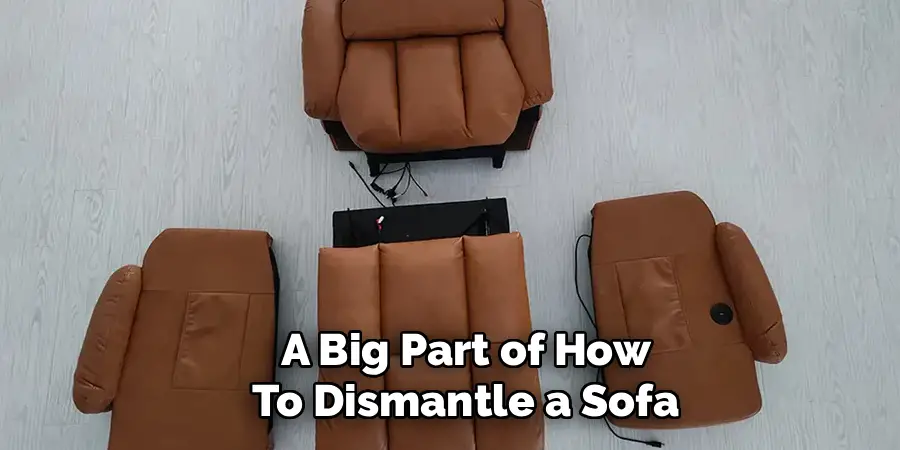
Step 8: Secure Parts For Moving Or Storage
After the recliner is separated, secure each section before moving it. Close the footrests fully and tie them gently with stretch wrap, moving straps, or soft rope. Avoid tape directly on leather, faux leather, or fabric because it can leave residue or damage the surface.
Wrap metal brackets or exposed hardware so they do not scratch walls or other furniture. Keep screws, bolts, and small parts in labeled bags. Tape the bags to a safe area on the matching section, but avoid finished surfaces.
If you plan to store the sofa, keep it in a dry place. Moisture can damage fabric, wood, metal parts, and electrical components.
Frequently Asked Questions
Can One Person Dismantle A Sofa Recliner?
One person may be able to dismantle a small manual recliner sofa, but having a helper is safer. Sofa recliners are heavy and can shift suddenly when backs or seat sections are removed. A second person can hold the frame steady, help lift sections, and reduce the risk of injury or damage during the process.
Do All Sofa Recliners Come Apart The Same Way?

No, sofa recliners can vary by brand, size, and mechanism type. Many have removable backs and connected seat sections, but the locks, screws, and brackets may be different. Power recliners also include wires and control boxes. If possible, check the owner’s manual or look for model-specific instructions before removing major parts.
What Tools Do I Need To Take Apart A Recliner Sofa?
Common tools include a screwdriver, socket wrench, Allen key, flashlight, pliers, and a small container for hardware. A flathead screwdriver can help release locking tabs, but it should be used gently to avoid bending parts. Moving blankets, gloves, and labels are also helpful for protecting the furniture and staying organized.
Is It Safe To Dismantle A Power Recliner Sofa?
Yes, it can be safe if you unplug the sofa first and handle the wiring carefully. Never work on powered parts while the recliner is connected to electricity. Disconnect plugs by holding the connector, not the wire. If you see damaged wiring, exposed metal, or a burned smell, stop and contact a professional.
Can I Reassemble The Sofa Recliner After Taking It Apart?
In most cases, yes. Taking photos, labeling parts, and storing hardware carefully will make reassembly much easier. Reattach the seat sections first, then install the backs and reconnect any power cables. Test the recliner slowly after assembly. If a part feels loose or uneven, stop and check the brackets before using it.
Conclusion
Dismantling a sofa recliner is much easier when you work in a clear space, unplug power parts, take photos, and remove each section in the right order. Start with loose cushions and fabric panels, then release the backs, remove frame connectors, separate the seats, and secure everything for moving or storage.
The most important things are patience and organization. Do not force parts that feel stuck. Look for hidden locks, screws, brackets, or wires before pulling. Keep hardware labeled so you can put the sofa back together without confusion.
Now that you know how to dismantle a sofa recliner, you can move, repair, store, or dispose of your furniture with more confidence and less stress.
