
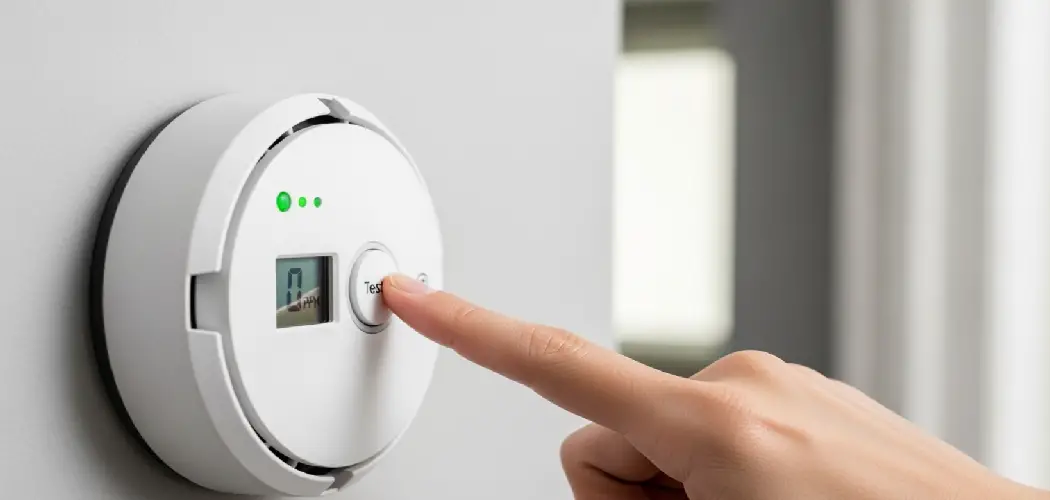
A smoke alarm blaring in the middle of cooking dinner or after a steamy shower is one of the most jarring household experiences you can have. The noise is loud by design, but when it’s a false alarm, you need to act quickly and calmly. Knowing how to turn off smoke alarm units without creating a safety risk is a skill every homeowner and renter should have.
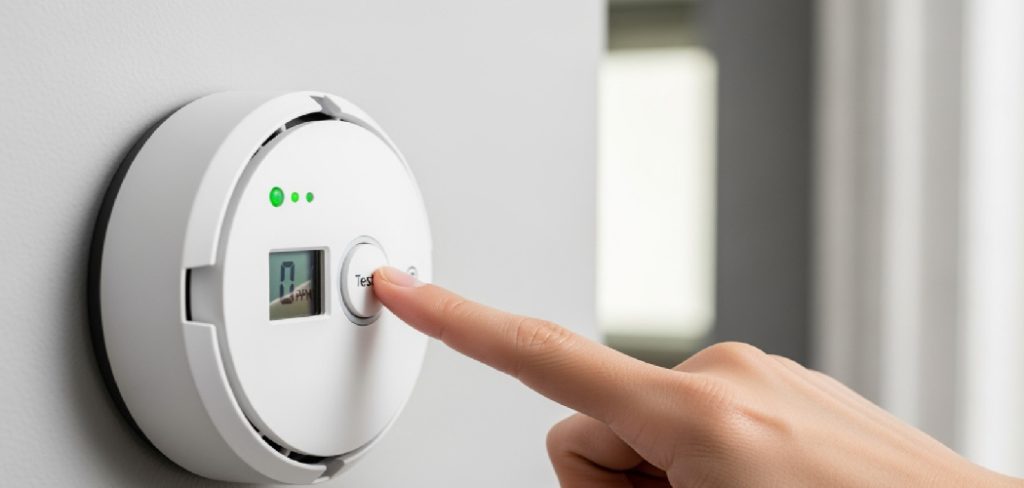
The process is straightforward, but the right steps depend on whether you’re dealing with a battery-powered unit, a hardwired system, a false alarm from cooking steam, or an actual emergency. This guide walks you through seven practical steps that cover every common scenario — from pressing the hush button to resetting a hardwired unit — so you can silence the alarm safely, identify the cause, and make sure your detector keeps protecting your home long after the noise stops.
Why Turning Off a Smoke Alarm Matters
Silencing a smoke alarm the right way matters just as much as having one installed in the first place. When people repeatedly yank out batteries to stop false alarms without addressing the root cause, they leave their homes unprotected. A detector with no battery is a detector that can’t save lives during a real fire.
Understanding the correct process also helps you tell the difference between a nuisance alarm and a genuine emergency. Cooking smoke, steam, and dust can all trigger false alerts, but carbon monoxide and actual fire smoke require immediate evacuation — not silencing. Handling these situations with the right knowledge protects your household, keeps your alarm functioning properly, and prevents the bad habit of disabling a device that is genuinely one of the most effective fire safety tools in any home.
Step-by-Step Guide to How to Turn Off Smoke Alarm
Step 1: Confirm There Is No Real Fire
Before you do anything to silence an alarm, take a few seconds to confirm you’re dealing with a false alarm and not a genuine emergency. Look around the room where the alarm triggered and check for visible smoke, flames, or a burning smell that isn’t coming from cooking. If you see any sign of real fire, leave the building immediately and call emergency services — this is not the time to silence the alarm.

If the alarm is sounding with a rapid, repeated pattern of four or five beeps at once, check whether the device is a combination smoke and carbon monoxide unit. That specific beeping pattern can indicate a CO alert rather than a smoke detection, and carbon monoxide is invisible and odorless.
Step 2: Ventilate the Room to Remove the Trigger Source
Once you’ve confirmed the alarm is a false alert, the fastest and safest way to stop the noise is to remove whatever triggered it. Open the nearest windows and doors to let fresh air in and push steam, smoke, or particles out of the room. This reduces the concentration of whatever is affecting the sensor and allows the alarm to return to standby mode on its own within one to two minutes in most cases.
For alarms near a kitchen, turn on the exhaust fan above your stove and direct any steam or smoke toward an open window. For bathroom steam, crack the door and give the humidity a few minutes to disperse.
Step 3: Press the Hush or Silence Button
Most modern smoke alarms have a built-in hush or silence button that temporarily suppresses the alarm for eight to ten minutes without disabling the detector entirely. This is the safest and most appropriate first response when you’ve already confirmed the alarm is a false alert. The hush function mutes the sound while the sensor continues to monitor the air, so if a real threat develops during that window, the alarm will activate again automatically.
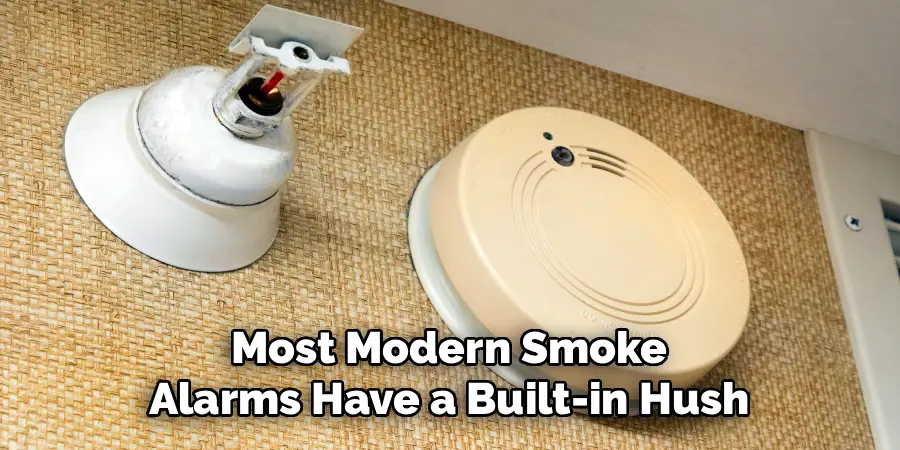
Locate the button on the face of the alarm unit — it is usually labeled “Hush,” “Silence,” or “Test/Silence” and is the largest button on the device. Press and hold it for two to three seconds until the alarm silences or until you hear a short confirmation beep.
Step 4: Smoke Alarm on a Battery-Powered Unit
If the alarm continues sounding after using the hush button and the air has fully cleared, you may need to manually silence it by removing the battery. This step applies to standalone battery-powered units that are not hardwired into your home’s electrical system. Removing the battery is a short-term measure only and should be followed immediately by a reset and battery reinstallation once the alarm is silent.
Twist the alarm counterclockwise to remove it from its ceiling or wall bracket — most models detach with a quarter turn. Open the battery compartment and remove the battery, then press and hold the test button for 15 seconds to drain any remaining charge from the processor.
Step 5: Reset a Hardwired Smoke Alarm After a False Alert
Hardwired smoke alarms are connected directly to your home’s electrical wiring and use a battery only as a backup power source. Silencing a hardwired unit requires a slightly different approach because simply removing the backup battery may not fully stop the alarm — the unit is still receiving power from the circuit. The correct method is to use the hush button first, then reset the unit if the alarm continues.
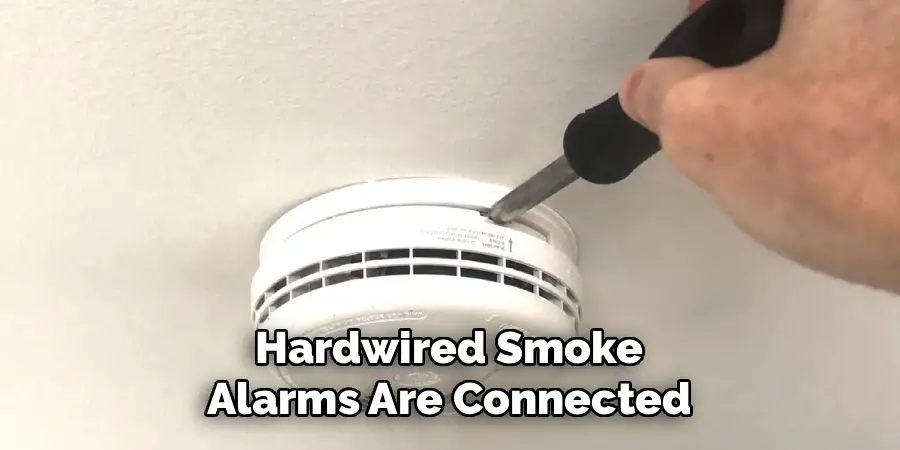
To fully reset a hardwired alarm, locate your home’s electrical breaker box and switch off the breaker connected to the smoke alarm circuit. Remove the alarm from its bracket, disconnect the wiring harness from the back of the unit, and remove the backup battery.
Step 6: Chirping Between Full Alarms
Intermittent chirping — one short beep every 30 to 60 seconds — is different from the full continuous alarm and usually signals a low battery, a loose battery connection, or an end-of-life warning rather than a smoke detection event. Silencing this type of alert requires identifying which of these issues is the actual cause. Replacing the battery is the right first step in most cases, but it won’t stop the chirping if the unit has reached the end of its usable life.
Start by replacing the battery with a brand-new one, even if the existing battery seems fairly recent. After installing the new battery, press and hold the test button for 15 seconds to reset the processor.
Frequently Asked Questions
Is It Safe to Remove the Battery to Stop a Smoke Alarm?
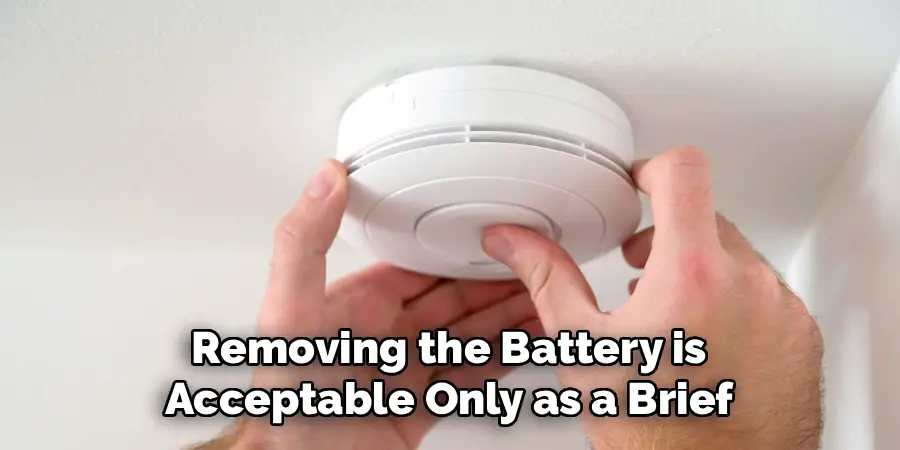
Removing the battery is acceptable only as a brief, temporary measure while you address a confirmed false alarm. Never leave the alarm without power for more than a few minutes, and always reinstall the battery and test the unit immediately after. A smoke detector with no battery cannot detect fire or alert you during a real emergency, which significantly increases risk, especially at night.
Why Does My Smoke Alarm Keep Going Off After I Silence It?
If the alarm triggers again shortly after being silenced, the source of the trigger is likely still present. Common causes include lingering cooking steam, high humidity from a bathroom, or dust inside the sensor. Ventilate the area fully, clean the sensor vents with a vacuum, and wait for the air to clear completely. If the issue persists with no obvious source, the sensor may be faulty and the unit should be replaced.
Can I Permanently Disable a Smoke Alarm That Keeps Giving False Alarms?
Permanently disabling a smoke alarm is not recommended and may violate local fire safety codes in rental properties. Instead, identify and fix the cause of the false alarms — relocate the unit away from steam sources, clean the sensor chamber, or replace an aging unit. If false alarms are a recurring problem in a specific room, moving the alarm to a better location is a safer and more effective solution than disabling it.
How Do I Know if My Smoke Alarm Is at the End of Its Life?
Check the manufacture date label on the back of the unit. If the alarm is more than eight to ten years old, it has reached the end of its recommended service life and should be replaced regardless of whether it still appears to function. An end-of-life alarm often emits a specific repeating chirp pattern that continues even after fresh batteries are installed, which is the clearest sign that a full unit replacement is needed.
What’s the Difference Between the Test Button and the Hush Button?
Some alarms combine both functions into one button, while others have them separately. The test button, when pressed briefly, triggers the alarm’s full sound to confirm the speaker and battery are working. The hush or silence function, activated by pressing and holding the same or a dedicated button, temporarily suppresses an active alarm for eight to ten minutes. Always check your model’s manual to confirm which function each button controls on your specific unit.
Conclusion
Silencing a smoke alarm safely comes down to four core actions: confirming there’s no real emergency first, removing the trigger source through ventilation, using the hush button as your primary tool, and resetting the unit correctly if the alarm continues. Whether you have a simple battery-powered detector or a hardwired system, each of these scenarios has a clear solution that keeps your alarm functional after the noise stops.
Replacing aging units, cleaning sensor chambers regularly, and installing alarms away from steam-heavy areas will dramatically reduce the number of false alerts you deal with going forward. Knowing how to turn off smoke alarm devices correctly — without disabling your home’s protection in the process — gives you the confidence to handle these situations calmly and keep your household safe every single day.
