
Secondhand furniture is one of the best ways to furnish a home without overspending. A solid wood dresser from an estate sale, a well-built sofa from a thrift shop, or a vintage chair picked up from a neighbor — these pieces can have years of life left in them. But before any of that potential is realized, they need a thorough cleaning.
Knowing how to clean used furniture properly makes the difference between a piece that looks and smells fresh and one that brings hidden grime, odors, or even pests into your home. It’s not complicated, but it does require the right approach depending on the material and condition of what you’ve brought home.
This guide walks you through every stage of the process — from initial inspection to final drying — so you can tackle any secondhand piece with confidence. Whether you’re working with upholstered sofas, wooden dressers, metal frames, or plastic chairs, the same core steps apply. By the end, you’ll have a clear, practical process you can use every time you bring home a new find.
Why Cleaning Used Furniture Matters
Used furniture carries a history you can’t always see. Dust, allergens, bacteria, body oils, pet dander, and food residue can accumulate in fabric fibers, wood grain, and surface crevices over years of use. Bringing a piece into your home without cleaning it first means introducing all of that into your living space.
Beyond hygiene, proper cleaning also protects the furniture itself. Dirt trapped in wood grain can cause scratches and deterioration over time. Moisture and organic residue on upholstery creates ideal conditions for mold. Metal surfaces left with grime can corrode faster than expected.
Step-By-Step Guide To How To Clean Used Furniture
Step 1: Inspect The Piece Thoroughly Before You Start
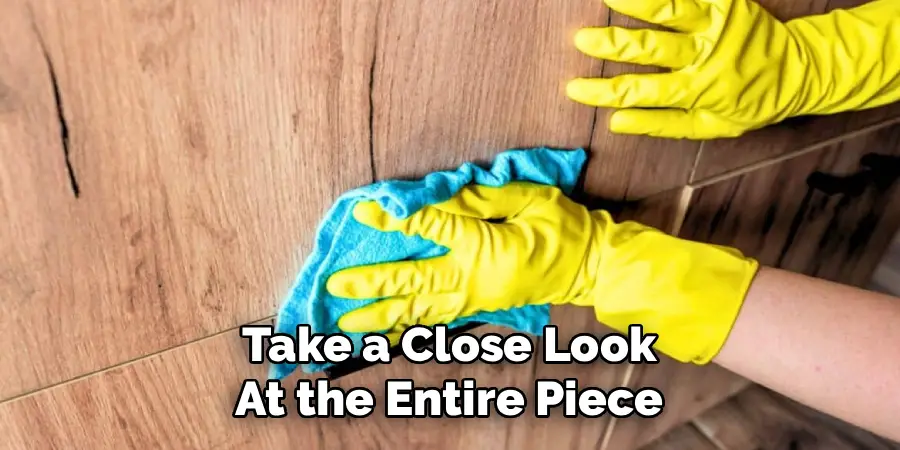
Before applying any product or moisture, take a close look at the entire piece. Check the underside, the back, the seams, and any enclosed spaces like drawers or cabinet interiors. You’re looking for signs of pest activity — small holes in wood that could indicate beetles or termites, dark specks that suggest bed bugs on upholstery, or egg casings tucked into corners.
Catching a pest issue before bringing the furniture indoors is critical. If you spot anything suspicious, isolate the piece outdoors and research the specific pest before proceeding. A clean-looking surface can hide activity underneath, so take your time here rather than rushing to get the piece inside.
Step 2: Identify The Material And Any Special Finishes
Not all furniture responds to the same cleaning methods. Wood can be painted, stained, sealed with polyurethane, or finished with wax or oil — and each finish reacts differently to moisture and cleaning agents. Upholstery may be cotton, polyester, velvet, leather, or a synthetic blend, and most have a care tag with a cleaning code. Metal can be powder-coated, chrome, or bare steel, each with different sensitivities.
Spend a few minutes identifying what you’re working with before reaching for any cleaner. Check fabric tags for codes like “W” (water-safe), “S” (solvent only), or “X” (vacuum only). For wood, run a damp cloth in an inconspicuous spot and watch for color lifting or finish clouding. This step saves you from accidental damage that’s often irreversible.
Step 3: Remove Loose Dust And Debris First
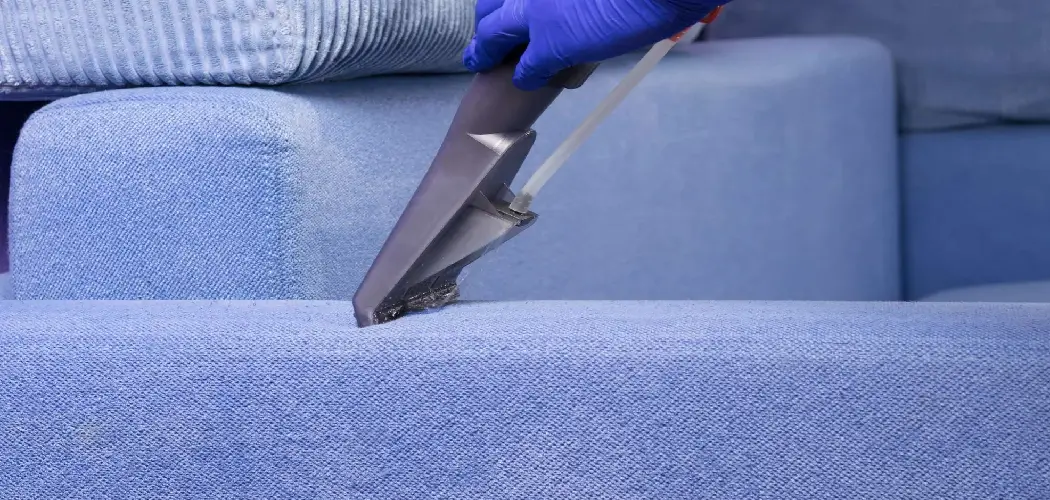
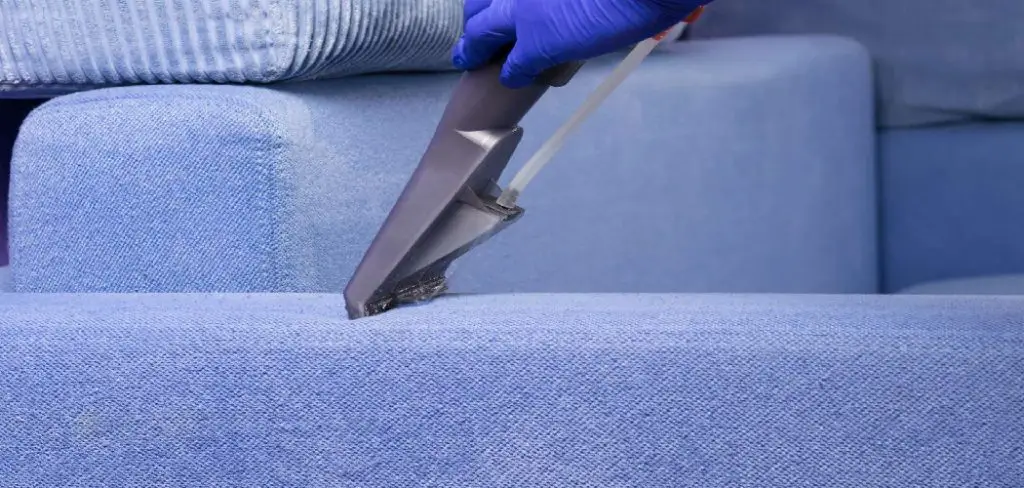
Dry cleaning always comes before wet cleaning. Use a stiff-bristled brush or a vacuum with a brush attachment to remove loose dust, crumbs, pet hair, and debris from all surfaces. For upholstery, work the vacuum into seams and under cushions. For wood, brush along the grain to pull debris out of crevices without scratching the finish.
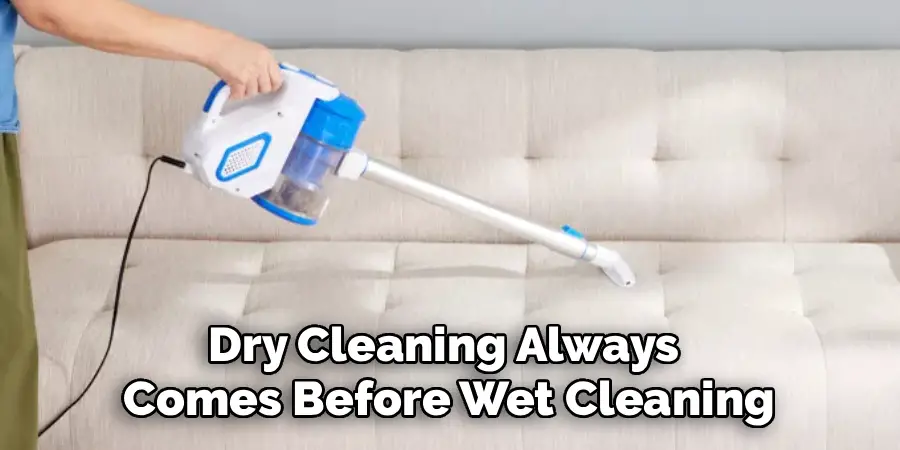
This step matters more than it might seem. Applying liquid cleaners to a dusty or gritty surface can push debris deeper into fabric or scratch wood when wiped. Removing it first ensures the actual cleaning is more effective and less likely to create new damage. Take your time on this step — especially with upholstered pieces that have heavy fabric texture or deep tufting.
Step 4: Choose The Right Cleaning Products For Each Material
Selecting the correct cleaner is one of the most important parts of the process when you want to know how to clean used furniture safely and effectively. For sealed wood, a diluted dish soap solution or a dedicated wood cleaner works well. Avoid soaking the surface — use a barely damp cloth and dry immediately. For metal, a mix of mild soap and warm water handles most grime, with white vinegar added for rust spots on bare steel.
For upholstery marked “W,” a foam-based upholstery cleaner or a small amount of dish soap worked into a lather works well. For leather, use a leather-specific cleaner and conditioner — never general household cleaners, which strip natural oils. Plastic surfaces are the most forgiving and typically respond well to an all-purpose cleaner or a diluted vinegar solution. Always test any product in a hidden area first.
Step 5: Deodorize To Remove Lingering Smells
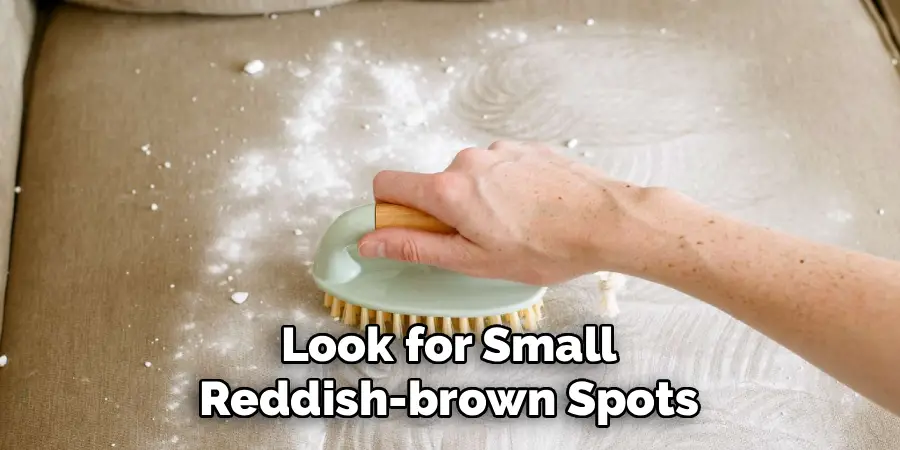
Even visually clean furniture can carry embedded odors from smoke, pets, or years of storage. For upholstered pieces, sprinkle a generous layer of baking soda over all fabric surfaces and let it sit for several hours — overnight is ideal. Then vacuum it away thoroughly. Baking soda is safe, inexpensive, and genuinely effective at absorbing odors without adding new scents or chemicals.
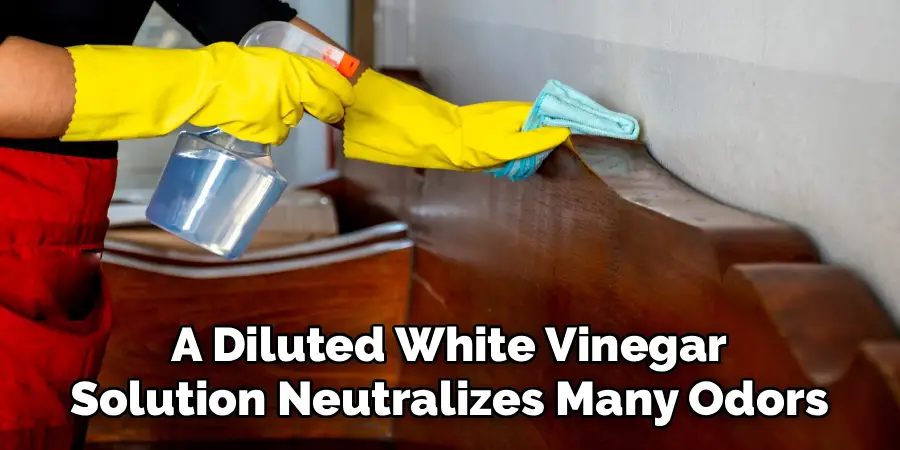
For wood and hard surfaces, a light wipe-down with a diluted white vinegar solution neutralizes many odors and evaporates cleanly without leaving residue. Leaving the piece outdoors in fresh air and indirect sunlight for a few hours also accelerates deodorizing significantly. Avoid using heavy commercial sprays that mask smells rather than eliminating them — these tend to fade and leave a lingering chemical scent of their own.
Step 6: Treat Stains With Targeted, Careful Methods
Stains require a more targeted approach than general cleaning. For fabric stains, blot — never scrub — using a clean white cloth and your chosen cleaner, working from the outer edge of the stain toward the center to prevent spreading. On wood, water rings respond well to a paste of equal parts baking soda and non-gel toothpaste applied gently with a soft cloth and then wiped clean.
Rust on metal can often be addressed with a paste of baking soda and water or a commercial rust remover appropriate for the specific metal type. Ink or grease stains on plastic usually lift with rubbing alcohol on a cotton pad. The key with all stain treatment is patience — working slowly and repeating light applications is far more effective and safer than applying heavy pressure or harsh products in one attempt.
Frequently Asked Questions
How Do I Know If Used Furniture Has Bed Bugs?
Look for small reddish-brown spots or dark specks on seams, joints, and fabric folds — these are waste marks from bed bug activity. Shed skins and tiny pale eggs in crevices are also signs of an infestation. If you find any of these, do not bring the piece indoors. Treat it with a heat method or contact a pest professional, as bed bugs are extremely difficult to eliminate once they enter a home.
Can I Use A Steam Cleaner On Secondhand Upholstery?
Steam cleaning works well on most fabric upholstery marked “W” or “W/S” and is highly effective for sanitizing and deodorizing. However, it’s not suitable for leather, velvet, or fabrics marked “S” or “X,” as the moisture and heat can cause significant damage. Always check the fabric care code before steaming, keep the steamer moving to avoid saturating any one spot, and allow the piece to dry fully in a ventilated space before using it.
What Is The Safest Way To Clean Vintage Wooden Furniture?
The safest approach is to start with the gentlest method — a dry microfiber cloth, then a barely damp cloth with plain water. If that’s insufficient, a diluted dish soap solution applied sparingly with a soft cloth works for most sealed wood surfaces. Avoid soaking the wood or using harsh all-purpose cleaners, which can strip protective finishes. After cleaning, apply a quality furniture polish or beeswax conditioner to restore moisture and protect the surface going forward.
How Do I Get Smoke Smell Out Of Secondhand Furniture?
Baking soda is the most effective starting point for fabric pieces — apply it generously, let it sit overnight, then vacuum thoroughly. For hard surfaces, wipe down with a diluted white vinegar solution and allow the piece to air out outdoors. In persistent cases, placing an open container of activated charcoal near or inside the furniture for several days absorbs remaining odor molecules. Repainting or refinishing sealed wood surfaces is sometimes the only solution for deeply embedded smoke odors.
Is It Safe To Use Bleach On Used Furniture?
Bleach should be used with caution and only in specific situations. A heavily diluted bleach solution can disinfect hard plastic surfaces, but it will discolor or damage fabric, strip wood finishes, and corrode metal. For most sanitation needs, a diluted white vinegar solution or a gentle disinfectant spray is safer and effective enough. If you’re concerned about serious contamination — such as mold or sewage exposure — it may be more practical to consult a professional cleaning service rather than attempting a DIY bleach treatment.
Conclusion
Bringing secondhand furniture into your home is a smart and rewarding choice — but only when the piece is properly cleaned first. The process comes down to a clear sequence: inspect before anything else, identify the material, remove dry debris, choose appropriate cleaners, deodorize, treat stains carefully, and dry thoroughly before the piece comes inside.
The next time you bring home a secondhand find, use this guide as your starting point. Knowing how to clean used furniture the right way means you’ll get more life out of every piece — and a cleaner, healthier home in the process.
