

A home office monitor does more than display your work. It affects how easily you read text, compare windows, join video calls, edit documents, and stay comfortable through long hours at your desk. If the screen is too small, too dim, too low, or missing the right ports, even simple tasks can feel harder than they should.

Learning how to improve office facilities for home office helps you avoid wasted money and daily frustration. You do not need to understand every technical detail, but you do need to know which features matter for your work style.
This guide explains the key choices in plain language, including screen size, resolution, panel type, ports, ergonomics, eye comfort, and budget. By the end, you will know what to look for, what to ignore, and how to pick a monitor that fits your space and supports your workday.
Why Choosing The Right Monitor Matters
The right monitor can improve focus, comfort, and productivity. A poor monitor can cause eye strain, awkward posture, cluttered windows, and slow task switching. Since many people use their screen for hours each day, small problems can become daily distractions.
A good home office display gives you enough space to work without constant resizing. It also helps text look clear, reduces glare, and connects smoothly to your laptop or desktop. If you choose well, you may not need a second screen or extra accessories.
The main benefit is simple: your work feels easier. When your monitor matches your tasks, desk, and comfort needs, you can spend less time fighting your setup and more time getting work done.
Step-By-Step Guide To how to improve office facilities For Home Office
Step 1: Understand Your Daily Work
Start with the tasks you do most often. Your ideal monitor depends on whether you write documents, manage spreadsheets, code, design graphics, attend video calls, or switch between many apps.
If your work is mostly email, documents, and web tools, you need clear text, comfortable brightness, and simple connectivity. If you work with data, a larger screen or higher resolution can make it easier to view columns and dashboards without constant scrolling.
Creative work needs more attention to color accuracy and sharpness. Before comparing prices, define your daily workflow. That single step makes every later decision easier.
Step 2: Choose A Practical Screen Size
Screen size has a big effect on comfort. A small monitor can feel cramped, while a very large one can overwhelm your desk if you sit too close.
For many home offices, 24 inches is a safe and affordable size. It works well for basic tasks and fits most desks. A 27-inch monitor gives more breathing room for multitasking, side-by-side windows, and spreadsheet work.
When thinking about how to choose a monitor for home office, do not assume bigger is always better. Measure your desk depth and consider your viewing distance. The best size is the one that feels natural during a full workday.

Step 3: Match Resolution To Screen Size
Resolution controls how sharp text and images look. It also affects how much content you can fit on the screen at once.
A 24-inch monitor with full hd resolution can work well for simple office tasks. On a 27-inch screen, full hd may look less sharp because the same number of pixels is spread across a larger area. For that size, qhd often gives a better balance of clarity, workspace, and price.
A 4k monitor is excellent for sharp text, detailed visuals, and creative work. However, it costs more and may require display scaling. Choose resolution based on size, not marketing claims.
Step 4: Learn The Basic Panel Types
Panel type affects color, contrast, viewing angles, and overall image quality. The most common options are ips, va, and tn, though tn is less common for office setups today.
Ips panels are a strong choice for most home office users. They usually offer good color quality and wide viewing angles, which helps if you move around or share your screen with someone nearby.
Va panels often provide deeper contrast, which can make dark text and video look richer. They may be useful if you use the monitor for both work and entertainment. For most people, a good ips or va panel is the safest choice.
Step 5: Check Ports And Laptop Compatibility
A monitor is only useful if it connects easily to your computer. Before buying, check the ports on your laptop or desktop and compare them with the monitor’s inputs.
Common options include hdmi, displayport, usb-c, and thunderbolt. Hdmi is widely supported and works for many setups. Displayport is common on desktops and can support higher resolutions and refresh rates. Usb-c is especially helpful for laptops because one cable may handle video, data, and charging.
This part of how to choose a monitor for home office is easy to overlook, but it matters. A clean connection setup saves time, reduces cable clutter, and prevents compatibility problems.
Step 6: Prioritize Ergonomics And Adjustability
A sharp screen will not help much if it forces you into bad posture. Monitor position affects your neck, shoulders, back, and eyes.
Look for a stand that supports height adjustment, tilt, and swivel. Height adjustment is especially important because the top of the screen should sit around eye level for many users. If the stand is basic, check whether the monitor supports a vesa mount.

A monitor arm can also help if your desk is small or you want more control over screen position. Try this before buying extra gear: stack books under your current monitor and see whether better height improves comfort.
Step 7: Consider Eye Comfort Features
Eye comfort matters when you work for long periods. Brightness, glare, flicker, and text clarity can all affect how tired your eyes feel by the end of the day.
Look for a matte screen if your room has windows or overhead lights. Matte finishes help reduce reflections. Flicker free technology and low blue light modes can also help some users, especially during long sessions.
Still, features are only part of the solution. Adjust brightness to match your room, increase text size if needed, and take short breaks. If you are squinting or leaning forward, your setup needs adjustment.
Step 8: Set A Smart Budget
A good monitor does not have to be the most expensive model. The goal is to pay for features you will actually use.
For basic office work, a reliable 24-inch or 27-inch monitor with clear text and decent adjustability may be enough. If you want qhd resolution, usb-c, better color, or a highly adjustable stand, expect to spend more.
Avoid buying only by price. A cheap monitor may save money upfront but cost you in comfort and frustration. Think of the display as a long-term work tool. A slightly better choice can improve your daily routine for years.

Frequently Asked Questions
What Size Monitor Is Best For A Home Office?
For most home offices, a 24-inch or 27-inch monitor is the best choice. A 24-inch screen is compact, affordable, and easy to fit on smaller desks. A 27-inch screen gives more space for multitasking and feels better for spreadsheets, research, and side-by-side documents. If your desk has enough depth, 27 inches is often the better long-term option.
Is A 4K Monitor Worth It For Office Work?
A 4k monitor is worth it if you want very sharp text, detailed images, or extra screen space. It is helpful for design, editing, coding, and document-heavy work. However, many users do not need 4k for basic tasks. A qhd monitor at 27 inches often gives a strong mix of clarity, comfort, and value without the higher cost.
Should I Use One Large Monitor Or Two Smaller Monitors?
Both setups can work well, depending on your habits. One large monitor keeps the desk cleaner and avoids the gap between screens. Two smaller monitors make it easy to separate tasks, such as email on one screen and work documents on the other. If you want a simple setup, one 27-inch or 32-inch monitor is usually easier to manage.
What Ports Should A Home Office Monitor Have?
Your monitor should have at least one port that matches your computer, such as hdmi, displayport, or usb-c. If you use a laptop, usb-c is very useful because it can reduce cable clutter and may charge the device at the same time. A built-in usb hub can also help if you connect a keyboard, mouse, webcam, or storage device.
How Far Should I Sit From My Monitor?
A good starting point is about an arm’s length from the screen. Larger monitors may need a little more distance, while smaller screens can sit slightly closer. You should be able to read text without leaning forward or squinting. Place the top of the display near eye level, then adjust brightness, text size, and chair height for comfort.
Conclusion
Choosing a monitor is easier when you focus on your real work instead of chasing every feature. Start with your daily tasks, then match screen size, resolution, panel type, ports, ergonomics, eye comfort, and budget to your needs.
The best monitor should make your workday smoother. It should give you clear text, enough room for your apps, simple connections, and a comfortable viewing position.
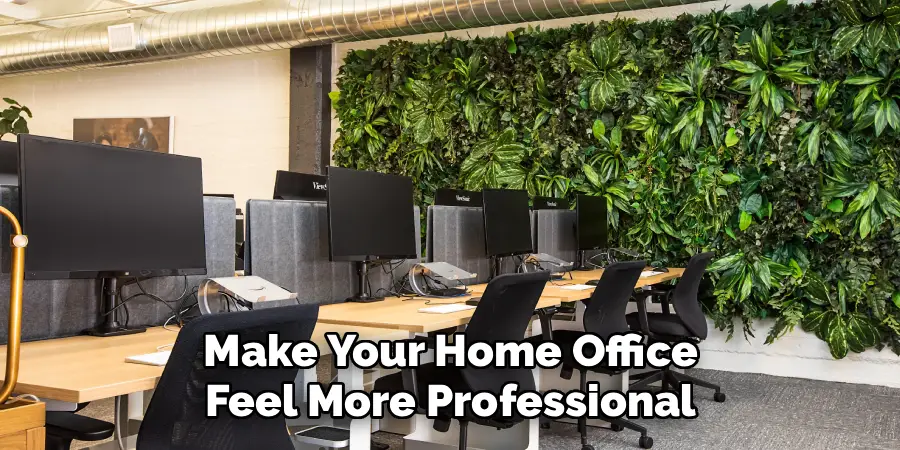
Now that you understand how to choose a monitor for home office, review your desk space, computer ports, and main tasks before you buy. A thoughtful choice can reduce strain, improve focus, and make your home office feel more professional and easier to use.
