
To keep paper clips organized, collect the loose clips scattered around your workspace, sort them by size and material, then store each group in a labeled container. A magnetic dispenser can work well for the clips you use every day, while a brief weekly or daily reset helps stop the familiar drawer clutter from returning.
It sounds almost too small to matter.
A paper clip is, after all, just a bent piece of wire. Yet anyone who has opened a desk drawer and found a nest of tangled clips, rubber bands, old receipts, and mystery staples knows how quickly minor office items can become irritating. The problem is not the paper clip itself. It is the absence of a place for it to go.
A tidy workspace depends on managing small objects before they spread. Paper clips are especially prone to this because they arrive attached to documents, fall into drawer corners, and get dropped into whatever container happens to be nearby. Over time, the result is less “office supply storage” and more archaeological layer.
A simple system can reduce that friction. You do not need a full desk makeover or expensive organizers. You need a clear sorting method, a sensible storage spot, and a short maintenance habit that is easy enough to repeat. In this guide on how to keep paper clips organized, we will explore some simple yet effective methods to keep paper clips organized in your workspace.
Understanding Different Types of Paper Clips
Before organizing paper clips, it helps to know what you actually have. Most office drawers contain more variety than people expect.
The standard silver paper clip, often called a Gem clip, is the most common type in offices. It works for everyday papers, short packets, receipts, and quick document grouping. Jumbo paper clips serve a different purpose. They hold thicker stacks and tend to take up more space, which is why they become awkward when mixed with smaller clips.
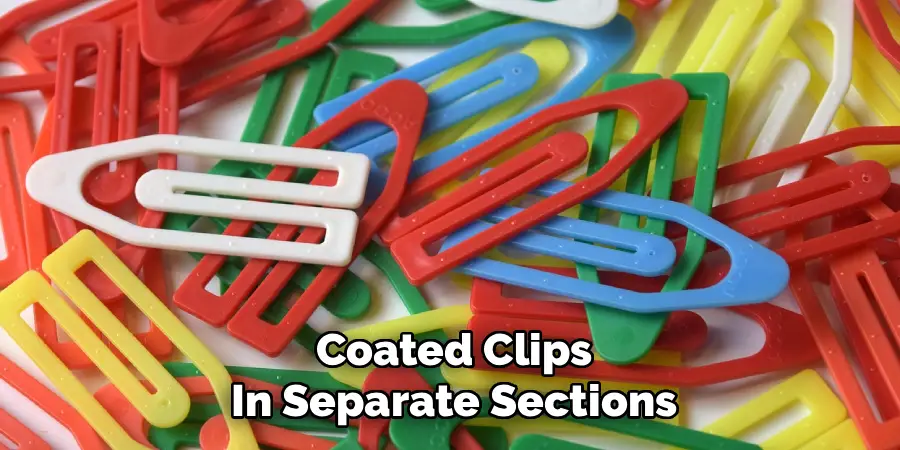
Then there are coated clips. These are usually covered in colored plastic and are often used for simple visual sorting: red for urgent paperwork, green for finance files, blue for client packets, or whatever system a person or team has adopted. The colors can be useful, but only if they remain separated enough to be found quickly.
Some desks also collect novelty clips shaped like animals, arrows, hearts, or geometric forms. They may be decorative, but their unusual shapes can make them harder to store neatly. Binder clips and butterfly clamps belong in the broader family of document fasteners, although they need more room than wire paper clips and should not be crammed into the same shallow tray.
This distinction matters. If you use only standard metal clips, a magnetic cup may be enough. If you use jumbo clips, coated clips, and binder clips, you will need a more divided system.
7 Simple Step-by-Step Guidelines on How to Keep Paper Clips Organized
Step 1: Gather All Your Scattered Paper Clips
Start by bringing every paper clip into one place.
Check the obvious spots first: desk drawers, pencil cups, trays, supply bins, and the area around your printer. Then look in the less obvious places. Paper clips often collect at the bottom of laptop bags, inside folders, under keyboards, and in the corners of drawers where they have been pushed aside for months.
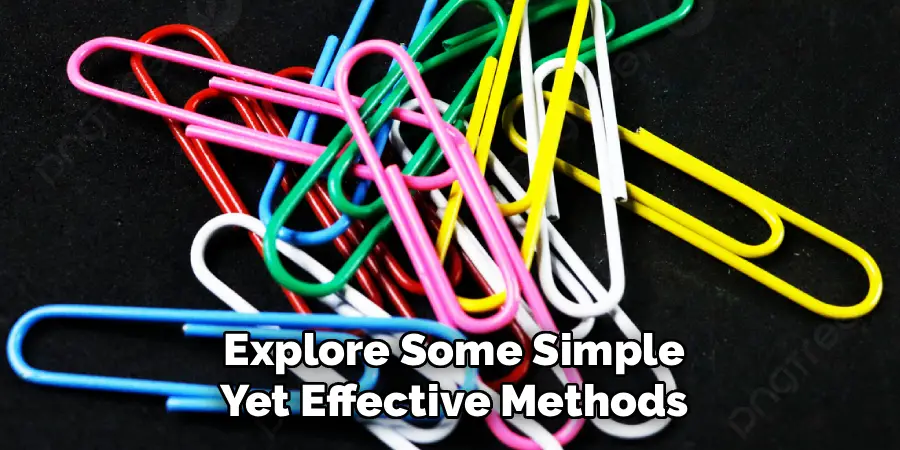
This step may feel a little excessive, but it gives you a realistic picture of what you own. Many people keep buying new office supplies not because they have run out, but because their existing supplies are dispersed and hard to see.
Place all the clips on your desk or on a sheet of paper. Once they are visible, remove anything that is bent beyond use, rusty, or stretched out. There is little value in keeping damaged clips simply because they are small enough to ignore.
This first gathering stage also prevents a common problem: setting up a neat organizer while half the supply remains hidden elsewhere. If you want the system to last, it needs to start with the full inventory.
Step 2: Sort the Clips by Size and Material
Once the clips are gathered, sort them into practical categories.
Begin with size. Separate standard clips from jumbo clips. This alone solves a surprising amount of desk-drawer frustration, because different sizes tend to catch on each other when stored together.
Next, separate by material or finish. Plain metal clips can go in one group. Plastic-coated clips should go in another. If you use color coding for work tasks, divide the coated clips by color as well. Red clips, for example, may be tied to urgent paperwork, while green clips might be used for financial documents.
The goal is not perfection for its own sake. It is speed.
When you are preparing a client file, assembling tax papers, or organizing meeting notes, you should not have to dig through a mixed container for the one type of clip you need. Sorting may take a few minutes upfront, but it reduces small interruptions later.
It also shows whether your supply habits match your actual work. You may discover that you own dozens of novelty clips, but almost no standard ones, or that jumbo clips are taking over a drawer because they were never given their own space.
Step 3: Choose the Right Storage Containers
Now choose containers that fit the way you work.
Clear acrylic drawer organizers are often a practical choice because they let you see what is inside without opening multiple lids. Small divided trays can keep standard clips, jumbo clips, and coated clips in separate sections while still fitting inside a desk drawer.
Small glass jars, repurposed mint tins, and shallow boxes can also work. The container does not need to be fancy. It does need to be easy to use.
Avoid deep, narrow containers if possible. They tend to cause two problems: clips collect at the bottom, and your fingers cannot easily reach them. That is when spills happen, or when people stop using the container altogether.
A good paper clip container should have a wide opening, enough room for the clips to sit loosely, and a shape that fits your drawer or desktop area. If you use several clip types, dividers are useful. If you only keep one type, a single small jar may be enough.
The best storage solution is the one you will actually maintain. That point is easy to overlook.
Step 4: Designate a Specific Drawer or Desk Zone
Paper clips need a permanent home.
Without one, they drift. A few land beside the keyboard. Some fall into the pen cup. Others end up in the drawer with sticky notes, batteries, and old business cards. Soon, the system is gone, not because it was bad, but because the location was vague.
If you have drawer space, place your clip organizer in the top drawer on the side of your dominant hand. This makes access easier and reduces the small but repeated annoyance of reaching across your desk.
If you do not have drawer space, assign one clear area on your desktop. A back corner, a small tray near the monitor, or a supply shelf can all work, as long as the spot stays consistent.
This consistency matters more than the exact location. Your hand should know where to go. That kind of automatic habit is what keeps an office system from becoming another task you have to think about.
A designated zone also helps if other people use your desk or borrow supplies. When the container has a clear place, others are more likely to return clips instead of leaving them scattered.
Step 5: Use Magnetic Holders for Daily Access
Bulk storage is useful, but it is not always convenient for repeated use during the workday.
That is where a magnetic paper clip holder can help. These desktop holders are designed for standard metal clips and keep a small number available near your computer, inbox, or writing area. Instead of opening a drawer each time, you can grab a clip quickly and move on.
The key is restraint.
A magnetic holder should not become another overloaded pile. Keep a modest amount on it, perhaps twenty or thirty standard metal clips, depending on the holder’s size. If it begins to look crowded, refill less often or move the extras back into the main storage container.
This creates a two-level system: bulk supply in the drawer, daily-use supply on the desk. It is a small distinction, but it works well because it reflects how office supplies are actually used. You need some clips immediately available, but not the entire inventory sitting in front of you.
Plastic-coated clips may not work as well with magnetic holders. The coating can interfere with the magnetic pull, so those are usually better kept in a small tray, jar, or divided compartment.
Step 6: Label Your Storage Bins Clearly
Labels may seem unnecessary for something as simple as paper clips. In a private desk with only one clip type, they may be.
But labels become useful when you store several sizes, use color-coded clips, or share supplies with other people. A small label that says “Standard Metal,” “Jumbo Clips,” or “Red Coated” removes guesswork.
The benefit is not just visual neatness. Labels reduce decision fatigue. During a busy day, people tend to put things wherever there is space. A labeled section quietly tells them where the item belongs.
Use clear, easy-to-read labels. A label maker works well, but neatly written adhesive labels are fine too. Place them on the front edge of trays, on jar lids, or directly below each compartment in a drawer organizer.
This may feel a bit particular at first. Still, in shared offices, supply closets, classrooms, and reception desks, labels often make the difference between a system that lasts and one that collapses after a week.
Step 7: Create a Daily Cleanup Routine
No organizer can compensate for a desk that is never reset.
At the end of the workday, take two or three minutes to return loose clips to their containers. Put stray pens back. Stack papers. Clear the surface enough that the next morning does not begin with yesterday’s clutter.
This is not a grand productivity ritual. It is basic maintenance.
A short daily reset is easier than a major cleanup every few months. It also helps you notice when a system is not working. If clips keep ending up in the same wrong place, that may suggest your storage container is too far away, too small, or awkward to open.
Try making one simple rule: no loose paper clips left on the desktop overnight. That rule is small enough to follow, yet specific enough to be useful.
Over time, the habit becomes less about cleaning and more about closing the workday. The desk is reset. The supplies are back where they belong. Tomorrow starts with less friction. Following these steps on how to keep paper clips organized, or any other small items, can help create a more efficient and productive workspace.
Maintenance and Reorganization
Even a well-arranged system needs occasional review.
Every few months, take a few minutes to check your paper clip storage. Wipe dust from the organizer, remove bent or damaged clips, and refill the magnetic holder from your main supply. If you use jars or tins, empty them briefly and check whether clips have tangled or collected debris.
This is also a good time to notice patterns. If one compartment is always overflowing while another remains untouched, adjust the space. You may need a larger section for jumbo clips, fewer novelty clips, or a separate tray for binder clips.
The point is to let the system reflect your actual use, not an ideal version of your desk. Office organization works best when it is practical rather than decorative.
Common Mistakes to Avoid
One common mistake is keeping damaged clips indefinitely. Bent, rusty, or stretched clips do not serve much purpose, and they often make the container harder to use. Recycle or discard them according to your local rules.
Another mistake is mixing large binder clips with standard paper clips in the same shallow compartment. Binder clips are bulkier and tend to crush or trap smaller clips. Give them their own section.
Opaque containers can also create problems. They may look tidy from the outside, but they hide your inventory. When you cannot see what you have, it is easier to overbuy.
A final issue is overfilling. Even a good container becomes frustrating when packed too tightly. Paper clips should be easy to grab, not wedged together in a dense clump.
Creative and Smart Organization Hacks
You do not need to buy specialized office organizers to keep paper clips under control.
Clean spice jars can hold small supplies neatly, especially if you prefer visible desktop storage. Empty mint tins are useful for drawer storage because they are shallow and compact. Clean pill bottles with the labels removed can work as small travel containers for clips in a laptop bag or work tote.
If you want a more personal look, a vintage teacup or small ceramic pot can hold everyday clips on your desk. This works best for a limited amount, not your entire supply.
A magnetic strip mounted near your workspace can also hold standard metal clips, though it should be placed where it will not interfere with your work surface. This option is more unusual, but it can free up desk space if you like vertical storage.
The best hack is still the simplest one: use containers you already have, but assign each one a clear purpose.
Frequently Asked Questions
Q1: What Is the Best Way to Store Jumbo Paper Clips?
Jumbo paper clips should be stored separately from standard clips because they take up more space and can tangle with smaller ones. A wide-mouth jar, a deeper drawer compartment, or a larger section of a divided organizer usually works well.
Avoid forcing jumbo clips into small shallow trays. They are easier to use when they have room to sit loosely.
Q2: Can Magnetic Holders Damage Colored Paper Clips?
Magnetic holders generally do not damage colored paper clips, but they may not hold them well. The plastic coating can weaken the magnetic attraction, especially if the coating is thick.
For coated clips, a small bowl, jar, or acrylic tray is usually more reliable than a magnetic dispenser.
Q3: How Often Should I Reorganize My Office Supplies?
A quick reset at the end of each workday helps prevent clutter from building up. For a deeper review, check your office supplies every three or four months.
During that review, clean containers, remove damaged clips, and adjust compartments if your supply needs have changed.
Wrap Up: Mastering Office Organization
Organizing paper clips is a small task, but it points to a larger truth about office work: tiny irritations accumulate.
When supplies have no clear place, they interrupt your focus in quiet, repeated ways. You search, untangle, repurchase, and clear the same mess again. A basic system changes that.
Gather the clips. Sort them by size and material. Choose containers that are easy to reach and simple to maintain. Keep a small daily supply nearby, label what needs labeling, and reset the desk before the day ends.
It is not complicated. That is why it works. Thanks for reading this guide on how to keep paper clips organized.
