
Meta Boxes
Managing an office stationery supply cupboard means giving the space a working system: group items by type, set sensible stock levels, audit supplies on a regular schedule, and use a simple sign-out process. When supplies are easy to find and usage is tracked, businesses are less likely to run out of essentials, over-order items they already have, or spend money on stock that sits unused.
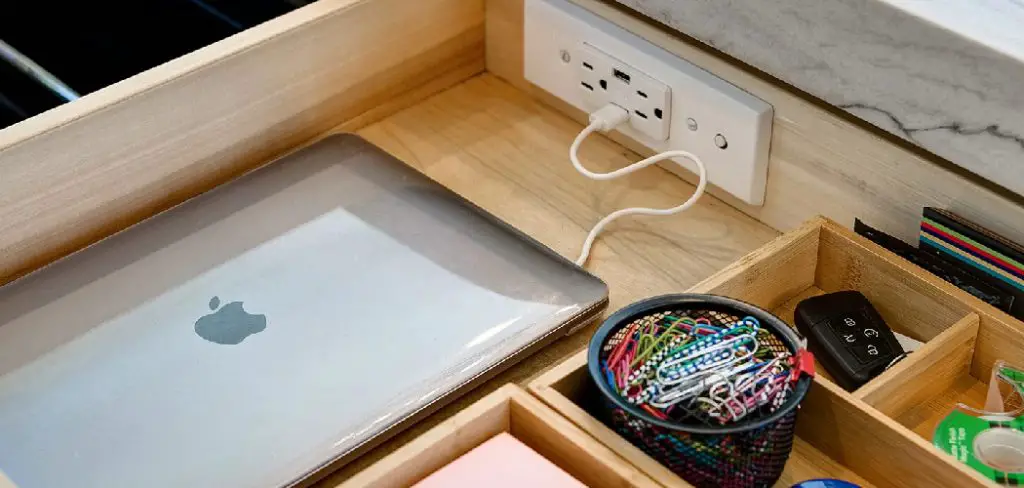
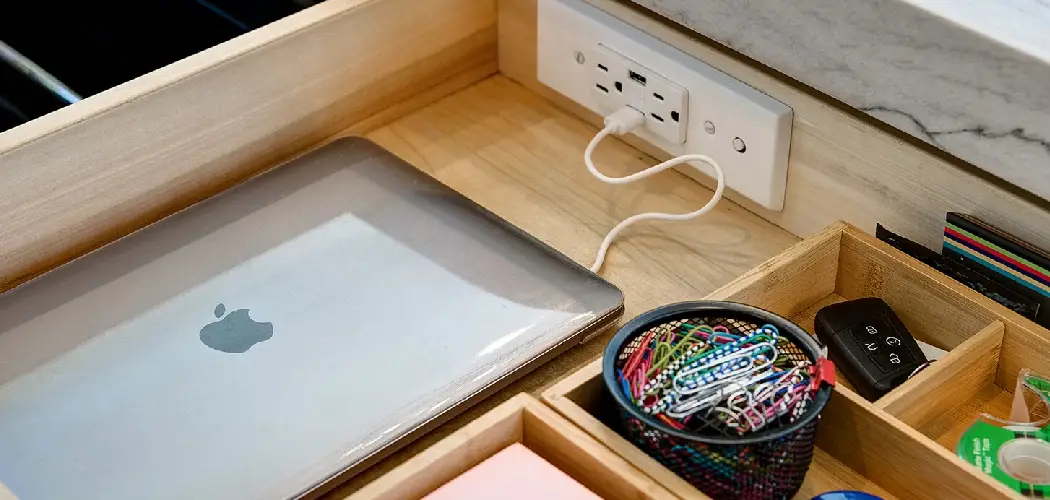
A messy office supply cupboard rarely looks like a serious business problem at first. It is just a shelf of pens, a half-open box of envelopes, a few toner cartridges, and several packs of sticky notes that may or may not still be needed.
But small inefficiencies add up. Employees lose time looking for ordinary items such as printer paper or markers. Office managers may reorder supplies that are already buried behind older stock. Departments sometimes keep their own private stashes because they do not trust the central cupboard to have what they need. None of this is dramatic, yet it quietly affects productivity and cost control.
A better system does not have to be complicated. In most offices, stationery management improves when the cupboard is treated as a shared business resource rather than a catch-all storage space. Clear categories, realistic reorder points, and light but consistent oversight can turn a cluttered cabinet into something staff can actually use without frustration. In this guide on how to manage stationery supply cupboard in an office, we will discuss some tips and strategies that can help improve stationery management and ultimately increase efficiency and cost control.
What Are the Main Office Stationery Categories?
Before you reorganize shelves or buy storage bins, it helps to know what you are dealing with. Office stationery is easier to manage when items are grouped by function, because staff can find supplies faster and administrators can track demand with less guesswork.
Paper products often take up the most space. This category typically includes printer paper, notepads, sticky notes, envelopes, and other everyday paper-based supplies. Writing instruments are another obvious group, covering pens, pencils, highlighters, permanent markers, and whiteboard markers.
A separate area should be reserved for filing and organizational supplies. Folders, binders, paper clips, staples, staplers, hole punches, and similar tools belong together because they are usually used for document handling rather than writing or printing.

Technology-related and mailing items may also need their own section. Printer toner cartridges, batteries, tape dispensers, packaging labels, and mailing supplies are easy to misplace if they are mixed in with general stationery. Keeping them separate reduces confusion and may also help prevent over-ordering, especially with higher-cost items like toner.
The aim is simple: when an employee opens the cupboard, the layout should make sense without a long explanation.
7 Simple Step-by-step Guidelines on How to Manage Stationery Supply Cupboard
Step 1: Conduct a Comprehensive Inventory Audit
Good stationery management begins with a slightly unglamorous task: taking stock of what is already there. Pull everything out of the cupboard, not just the visible items at the front. Offices often discover old stock behind newer purchases, especially in deep cabinets or shared storage rooms.
Group identical items together and remove anything that no longer serves a purpose. Dried-out markers, broken staplers, obsolete forms, damaged folders, and half-empty packaging that nobody uses should not continue taking up space. This first clear-out is useful because it exposes the difference between what the office thinks it has and what it actually has.
As you sort, record quantities in a spreadsheet or inventory system. At minimum, note the item name, current quantity, and any specific brand, size, or model number that matters for reordering. For example, toner cartridges and specialist labels usually need more precise identification than ordinary pens.
This initial inventory becomes your baseline. Without it, purchasing tends to rely on memory, habit, or whoever last noticed an empty shelf. That kind of ordering may work for a very small office for a while, but it becomes unreliable as teams grow or supply needs change.
Step 2: Establish Minimum Stock Levels and Reorder Points
Once you know what is in the cupboard, the next question is more practical: how much do you actually need?
Start by reviewing past purchasing records where available. Look for the average monthly use of core items such as copy paper, black pens, sticky notes, and toner cartridges. The data may not be perfect, but it usually gives a better guide than instinct alone.
For each regular-use item, set a minimum stock level. This is the point at which a new order should be placed before the item runs out completely. In inventory terms, this is often called a reorder point. The concept is straightforward: you do not wait until the last ream of paper is opened before placing the next order.
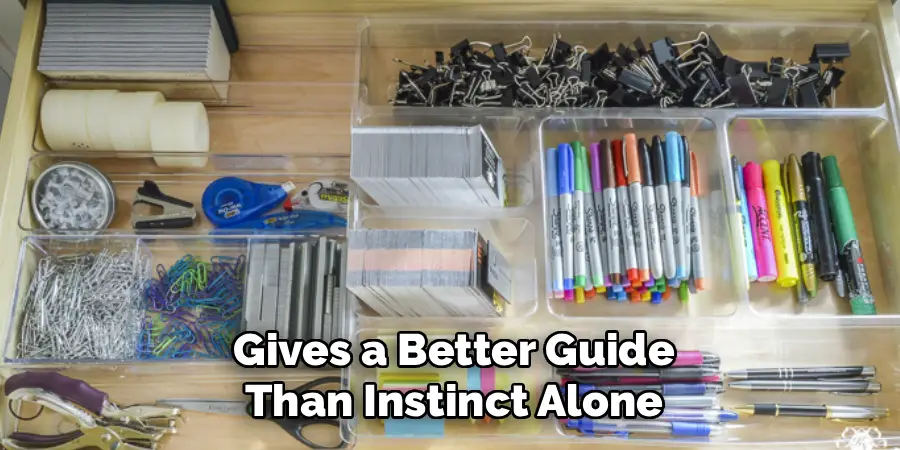
A small buffer can also help. The original system may allow for around ten percent above average monthly use to cover unexpected projects, temporary staffing changes, or busier-than-usual periods. That said, the buffer should remain proportionate. Too much “just in case” stock creates its own problem, especially in offices with limited storage.
Document reorder points clearly in the inventory file. If the office manager is away, another authorized staff member should still be able to see when and what to order.
Step 3: Implement a Logical Organization System
A stationery cupboard should not require detective work. If staff need to move four boxes to find a packet of labels, the system is already asking too much of them.
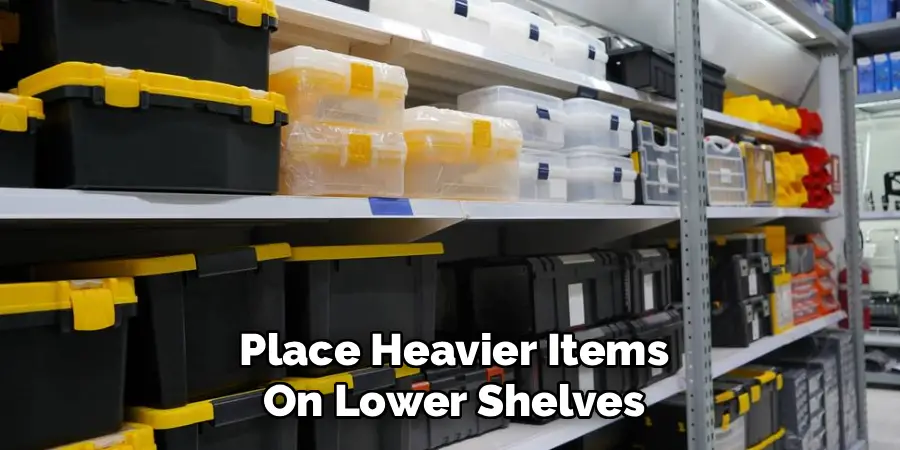
Place heavier items on lower shelves. Boxes of copy paper, bulk binders, and large packs of envelopes are safer and easier to handle when stored low. This also reduces strain from lifting awkward items above shoulder height.
The most frequently used supplies should sit at eye level or within easy reach. Pens, sticky notes, staples, paper clips, and everyday notepads should be visible without staff having to dig through multiple containers. Less frequently used items can go higher or toward the back, as long as they are still labeled.
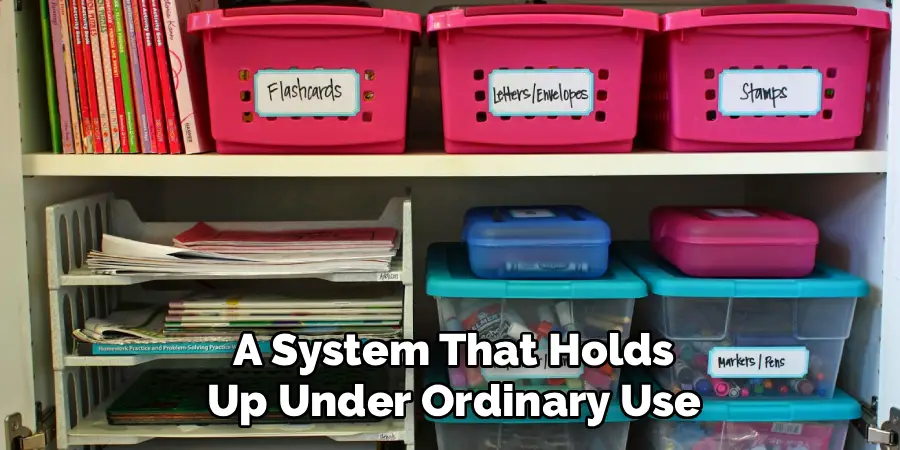
Transparent bins work well for small supplies such as rubber bands, binder clips, push pins, and spare staples. They keep items contained while still allowing staff to see what is available. Labels matter too. Printed labels on shelves and bins remove ambiguity and make it easier for people to return items to the right place.
This kind of visual order may seem basic, but it often changes behavior. People are more likely to maintain a cupboard when the intended location of each item is obvious.
Step 4: Create a Supply Sign-Out Process
Organizing the cupboard is only half the job. You also need some way to understand what leaves it.
A sign-out system does not need to be elaborate. In a smaller office, a clipboard on the inside of the cupboard door may be enough. Staff can record the date, their name, the item taken, and the quantity. It is a modest administrative step, but it gives the supply manager a record of actual use rather than assumptions.
Larger businesses may prefer a shared digital document or inventory software, especially if several departments draw from the same stock. A tablet or computer near the supply area can make logging items easier, provided the process does not become so slow that employees avoid it.
The point is not to create suspicion around ordinary office supplies. It is to introduce visibility. When usage is tracked, patterns become easier to see. One department may use more printer paper because it handles client documents. Another may be taking far more folders than expected. In some cases, staff may also stop keeping unnecessary desk drawers full of supplies simply because the cupboard now feels dependable.
Accountability tends to reduce waste, but it works best when it is applied calmly and consistently.
Step 5: Assign a Dedicated Supply Manager
Shared spaces often fail when everyone is responsible in theory and no one is responsible in practice. A stationery cupboard is no exception.
Assign one person to oversee supplies. In many businesses, this will be the office manager, administrative assistant, receptionist, or another staff member who already handles operational tasks. Their role should include monitoring stock levels, reviewing requests, placing orders, and keeping the cupboard in usable condition.
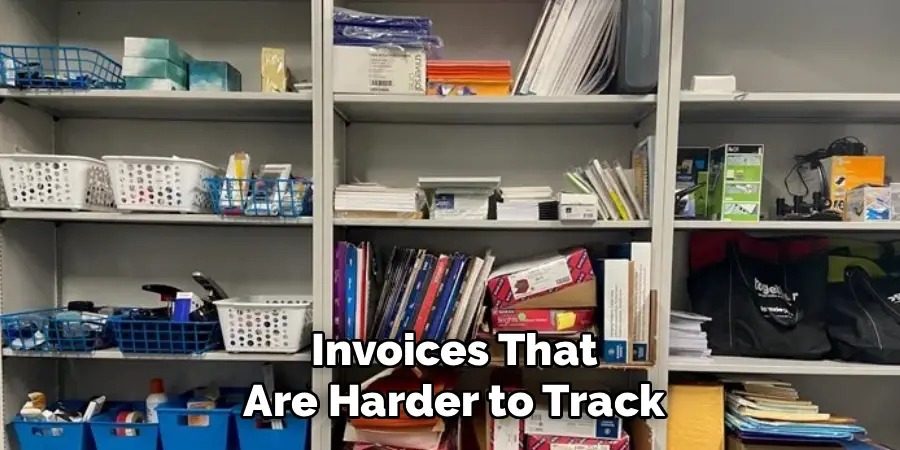
Centralizing this responsibility helps prevent duplicate purchasing. When several people can order the same supplies independently, businesses may end up with too many versions of the same item, missed bulk-order opportunities, and invoices that are harder to track.
A dedicated manager can also keep purchasing aligned with approved vendors, budget limits, and standardized product lists. That does not mean every request must be rejected if it falls outside the norm. Sometimes a team genuinely needs a specialty item. But exceptions should be visible and intentional rather than buried in scattered orders.
Step 6: Schedule Regular Maintenance and Restocking
Even a well-organized cupboard will drift back toward disorder if nobody maintains it. People are busy. They put things back quickly. Empty boxes stay on shelves. Labels get ignored. This is ordinary office behavior, not a moral failure.
A short weekly reset can prevent most of the damage. The supply manager should spend about fifteen minutes straightening shelves, returning misplaced items, removing empty packaging, and checking for obvious shortages. This small routine is usually easier than waiting until the cupboard becomes a full afternoon project.
A more detailed inventory count should happen monthly, particularly if purchasing also happens on a monthly cycle. Compare the physical stock against your documented reorder points. Then prepare the next order based on actual need rather than a vague sense that the cupboard “looks low.”
Regular maintenance also makes deadlines less stressful. Running out of toner or paper during a reporting period, board meeting week, or client mailing project is avoidable in most cases. A steady restocking rhythm lowers that risk.
Step 7: Analyze Usage Trends for Future Ordering
Once the system has been running for a while, the records should start telling a useful story. Review inventory logs and purchase orders every quarter to identify changes in usage.
Some patterns may be seasonal. Paper use might rise during end-of-year reporting. Mailing supplies may increase before certain campaigns. Other patterns may point to preference or waste. A department may use one style of folder regularly, while another specialty item sits untouched for months.
This information can guide future buying decisions. High-volume supplies may be good candidates for bulk pricing or vendor negotiation. Items with little or no use should be questioned before they are reordered. If a product has not moved in six months, it may not belong on the approved supply list unless there is a clear reason to keep it.
The broader lesson is that stationery management should not remain fixed forever. A system that worked for a ten-person office may need revision when the team doubles, shifts to hybrid work, or changes how it handles documents. Following these steps on how to manage stationery supply cupboard and maintaining an organized stationery supply list will help keep the office running smoothly.
What Are the Common Mistakes to Avoid When Managing Supplies?
One of the most common mistakes is leaving the supply cupboard completely unmanaged. Open access may feel convenient, but it often leads to untracked usage, missing items, and uneven stock levels. Staff may take more than they need because they are unsure when items will be replenished.
Another issue is ordering based on personal preference rather than standard business need. If every employee requests a different pen, notebook, or folder style, purchasing becomes harder to control. Standardization may seem restrictive, but it supports bulk buying and makes restocking simpler.
Lead times are also easy to overlook. Some offices wait until supplies are nearly gone before ordering, only to discover that delivery will take longer than expected. This is especially risky for toner, paper, labels, and other items tied to daily operations.
Finally, the cupboard should not become a dumping ground. Broken electronics, outdated marketing materials, old forms, and miscellaneous equipment can quickly crowd out the supplies people actually use. Storage space has value, and daily-use items should have priority.
How Can You Improve Efficiency in Supply Management?
Efficiency usually improves when ordering and tracking become less fragmented. One practical step is to consolidate vendors where possible. Working with a primary supplier can simplify invoicing, reduce administrative work, and provide access to account support or pricing arrangements.
A standardized supply request form can also help. Routine items may not need approval every time, but non-standard or higher-cost supplies should be reviewed before purchase. This keeps unusual spending visible without slowing down everyday operations.
For offices still using manual spreadsheets, inventory software may be worth considering. It can reduce data entry errors, provide low-stock alerts, and generate draft purchase orders when supplies fall below set thresholds. Software is not a cure-all, though. It only works if staff actually record usage and the inventory data stays current.
Standardizing common supplies can make the whole process easier. Limiting the number of pen types, notebook styles, folder colors, or sticky note sizes reduces clutter and cuts down on decision-making. Most employees do not need endless variety to do their work well.
What Are the Best Strategies for Cost Control and Budgeting?
Cost control starts with a clear spending limit. A monthly stationery budget should be based on past usage, current headcount, and known business needs. Without a defined cap, supply spending can spread quietly across small orders that do not attract much attention individually.
Order consolidation is another useful strategy. Placing orders on a biweekly or monthly schedule can reduce repeated shipping fees and discourage last-minute buying. Emergency orders are sometimes unavoidable, but they should not become the normal purchasing method.
Generic or store-brand products can also reduce costs for basic supplies such as paper clips, sticky notes, and standard copy paper. Premium options are better reserved for client-facing materials or items where quality genuinely affects performance.
Some businesses may also use departmental chargebacks, where teams are billed internally for their actual supply usage. This approach can encourage managers to monitor consumption more closely. It may not suit every workplace culture, but where budgets are already tracked by department, it can make supply use more transparent.
What Is the Role of Staff in Stationery Management?
A dedicated manager may oversee purchasing, but staff behavior determines whether the system works day to day.
Employees should follow the sign-out process, return shared tools, and tell the supply manager when they take the last item from a bin. These small actions help prevent gaps between what the inventory record says and what is actually on the shelf.
Staff also need to respect standardized product lists. Not every routine task requires a preferred brand or custom item. When exceptions become common, the cupboard becomes harder to manage and purchasing costs become less predictable.
Shared equipment deserves particular attention. Heavy-duty staplers, label makers, hole punches, and specialty tools should return to their designated place after use. When these items disappear into desk drawers or departmental cabinets, colleagues lose time searching for tools the office technically already owns.
In short, stationery management is not just an administrative task. It is a shared workplace habit.
Frequently Asked Questions
Q1: How Often Should You Audit Office Supplies?
A quick visual check once a week is usually enough to keep the cupboard tidy and catch obvious shortages. This does not need to be a full count. It is simply a way to notice empty bins, misplaced items, or supplies that are running low faster than expected.
A more complete physical inventory should take place monthly, especially if purchases are made on a monthly schedule. This count should be compared with reorder points so the next order reflects actual stock levels.
An annual deep audit is also useful. It gives the business a chance to remove obsolete items, review product standards, and adjust reorder points based on the year’s overall usage.
Q2: What Is the Best Way to Prevent Supply Theft or Hoarding?
The most practical approach is to combine controlled access with a clear sign-out process. A locked cupboard may be appropriate in some offices, particularly where supplies are frequently disappearing or high-cost items are stored there. In other workplaces, a visible sign-out sheet and an assigned inventory manager may be enough.
Hoarding often happens when employees do not trust the supply system. If people believe the cupboard will be empty when they need something, they may keep extra items at their desks. Reliable restocking can reduce that behavior.
Standardizing basic supplies may also help. Expensive or highly desirable items are more likely to go missing than ordinary office-grade products.
Q3: How Can Software Improve Stationery Supply Management?
Inventory software can reduce some of the manual errors that occur with paper logs or basic spreadsheets. When items are recorded as they leave the cupboard, the system can provide a more current view of stock levels.
Many tools can also send low-stock alerts or create draft purchase orders once an item falls below its minimum threshold. This is particularly helpful for offices with multiple departments, frequent usage, or supplies that must be reordered before they run out.
Still, software depends on accurate input. If staff do not log what they take, even the best system will produce unreliable data.
Taking Control of Your Office Inventory
A well-managed stationery cupboard will not transform a business on its own, but it can remove a surprising amount of daily friction. People find what they need. Orders become easier to justify. Waste becomes more visible. The office spends less time reacting to missing supplies and more time working with a system that holds up under ordinary use.
Meta Boxes
Start with the basics: sort the cupboard, record what you have, set reorder points, assign ownership, and review usage regularly. These steps are not complicated, but they do require consistency. Over time, that consistency is what turns a cluttered storage space into a reliable part of office operations. Thanks for reading this guide on how to manage stationery supply cupboard.
