
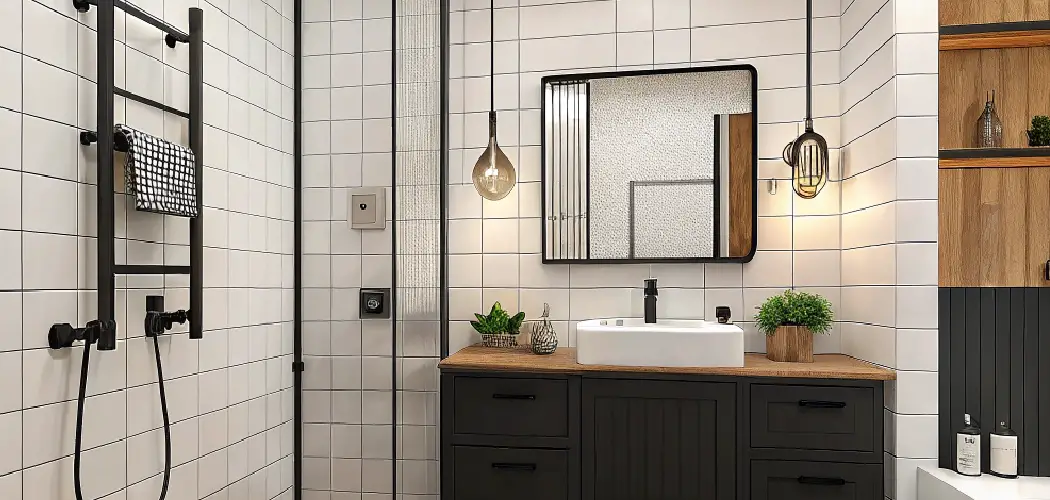
Travertine floors, with their classic, earthy charm, have been a staple in homes for centuries. Their natural patterns and warm tones can bring a sense of timeless elegance to any space.
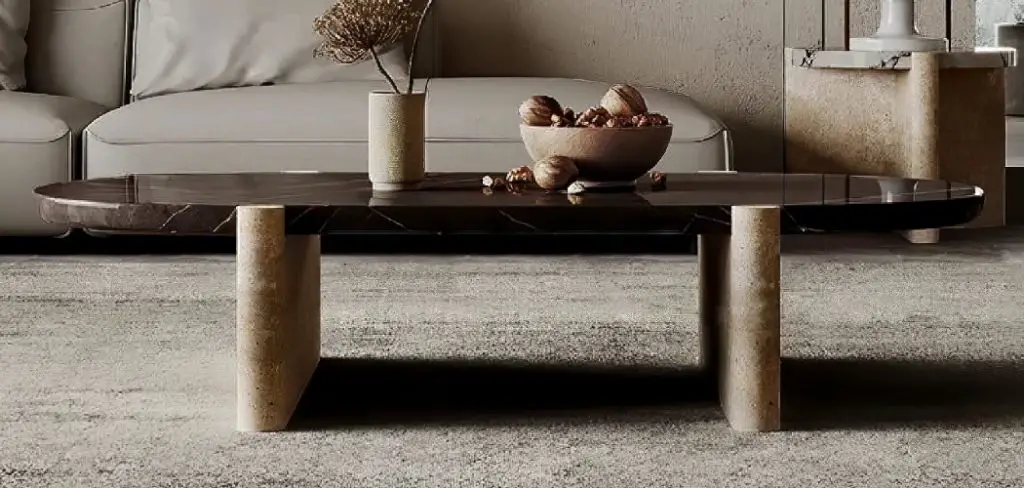
However, as design trends evolve, the traditional look of travertine can sometimes feel dated, leaving homeowners wondering how to bring this durable material into the modern era.
Updating your travertine doesn’t mean you have to rip it out and start over. With the right approach, you can transform your floors from classic to contemporary, preserving their inherent beauty while aligning them with a fresh, modern aesthetic.
This guide on how to modernize travertine floors will walk you through the process, offering practical steps to revitalize your space from the ground up.
9 Step-by-step Guidelines on How to Modernize Travertine Floors
Step 1: Deep Clean and Prepare the Surface
The first and most critical step in modernizing your travertine is to give it a thorough, deep cleaning. Over time, dirt, grime, and old sealants can accumulate in the stone’s natural pores, dulling its appearance and making it look tired.
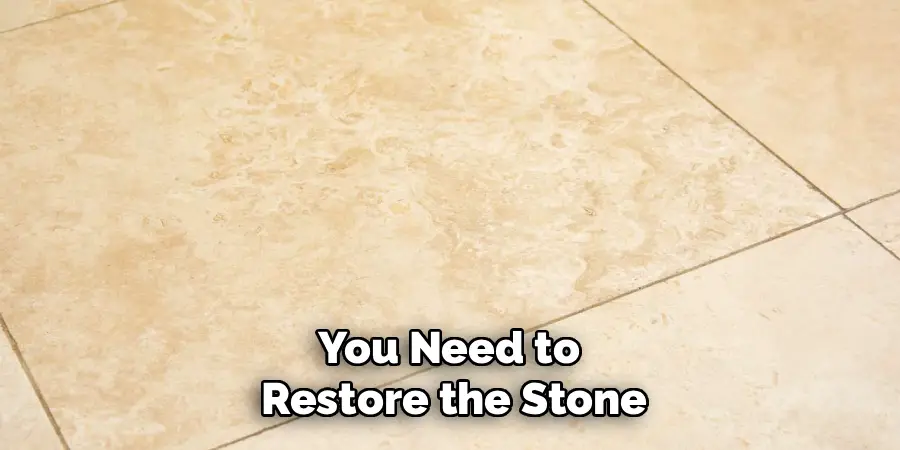
A simple mopping won’t suffice; you need to restore the stone to its original state. Start by sweeping or vacuuming the floor to remove all loose debris and dust. Then, use a pH-neutral stone cleaner specifically formulated for natural stone like travertine. Harsh, acidic, or alkaline cleaners can etch the stone, causing permanent damage.
For a truly effective deep clean, you might need a bit of elbow grease. Mix your stone cleaner with warm water according to the manufacturer’s instructions. Apply the solution generously to a small section of the floor and let it sit for a few minutes to break down the grime.
Use a soft-bristled brush or a non-abrasive scrubbing pad to gently work the cleaner into the grout lines and the stone’s surface. A steam cleaner can also be an excellent tool for this task, as the hot vapor helps to lift embedded dirt without chemicals.
Once scrubbed, rinse the area thoroughly with clean water and dry it completely with a soft cloth or microfiber mop to prevent water spots and prepare it for the next steps.
Step 2: Repair Chips and Fill Voids
Travertine is a porous stone, often characterized by naturally occurring pits and voids. While these are part of its unique charm, they can trap dirt and contribute to a rustic, unrefined look.
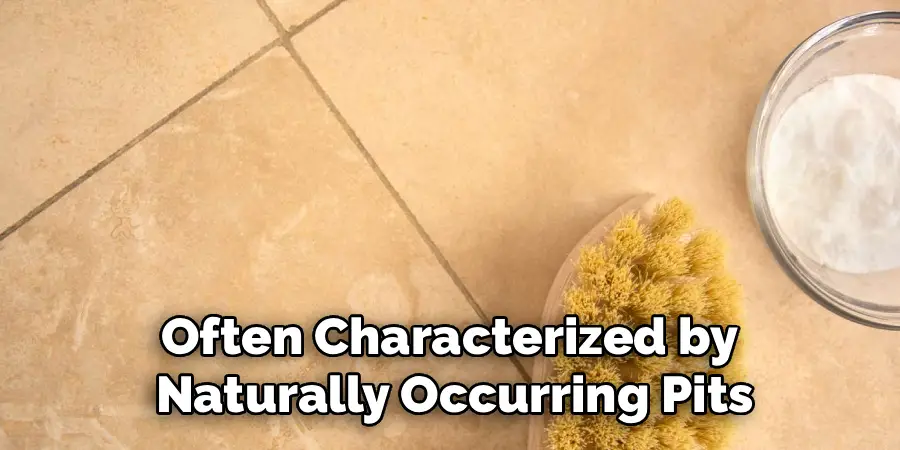
Filling these voids is a key step toward achieving a sleeker, more modern finish. Similarly, any chips or cracks that have developed over the years should be repaired to create a smooth, uniform surface. You can purchase a travertine filler or epoxy resin kit that is color-matched to your specific tiles. These products are designed to seamlessly blend with the stone.
The application process is straightforward. First, ensure the area to be filled is completely clean and dry. For small pits, you can apply the filler directly using a putty knife, pressing it firmly into the void. For larger cracks or chips, you might need to build up the filler in thin layers. Scrape away any excess material to make the patch level with the surrounding floor.
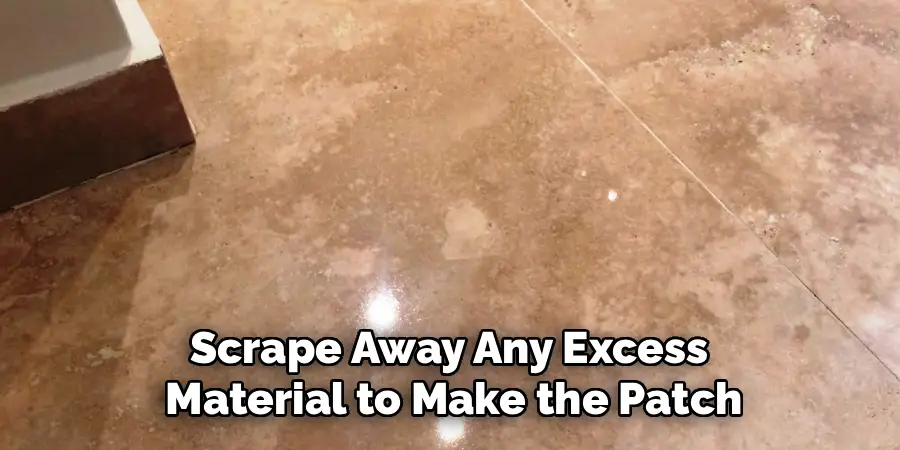
Once the filler has cured completely (check the product’s instructions for curing times), you can lightly sand it with very fine-grit sandpaper to ensure a perfectly smooth transition. This meticulous repair work creates a clean canvas and is essential for a professional-looking, modernized floor.
Step 3: Choose Your Finish: Honed vs. Polished
The finish of your travertine floor has a massive impact on its overall style. A high-gloss, polished finish reflects light and can feel very traditional, sometimes even dated, depending on the decor. For a modern look, a honed finish is often the preferred choice.

A honed finish is matte or has a low-sheen, satin look that feels more organic, understated, and contemporary. It minimizes glare and can make a space feel softer and more sophisticated. This finish also excels at hiding minor scratches and etch marks, making it a practical choice for high-traffic areas.
If your floors are currently polished, you can have them professionally honed. This process involves grinding the surface of the stone with progressively finer abrasive pads to remove the glossy layer and create a smooth, matte surface.
While it’s possible to rent the equipment and do it yourself, hiring a professional stone restoration expert is highly recommended for the best results. They have the experience to achieve a consistent finish without damaging the stone.
Conversely, if your floors are already honed but you desire a more formal, luminous look, you can have them polished. The key is to choose the finish that best complements your overall modern design vision.
Step 4: Staining or Lightening the Stone
One of the most transformative ways to modernize travertine is by changing its color. Traditional travertine often comes in shades of beige, gold, and brown, which can feel heavy in a modern, airy interior. Today, you can use specialized stone stains or color enhancers to shift the tone.

For a contemporary feel, consider staining the travertine a cooler shade, such as a light gray or even a greige (a mix of gray and beige). This can neutralize the yellow or pink undertones often found in older travertine and provide a more versatile base for modern furnishings.
Conversely, you can also lighten the stone. Some products are designed to subtly lighten the color of natural stone, which can make the entire room feel brighter and more spacious. Before committing to a color change for the entire floor, it’s absolutely essential to test the product on a spare tile or in an inconspicuous area, like inside a closet.
The final color will depend on the stone’s original shade and porosity. Allow the test patch to dry completely to see the true result. Changing the color is a significant commitment, but it can be the single most effective technique for a dramatic modernization.
Step 5: Update the Grout
Grout plays a surprisingly significant role in the overall look of a tiled floor. Old, discolored, or wide grout lines can instantly date an otherwise beautiful travertine floor. To modernize, your goal should be clean, crisp grout lines that either blend in or provide a subtle, intentional contrast.
If your existing grout is dirty and stained, a thorough cleaning with a grout cleaner and a stiff brush might be all it takes. For stubborn stains, a steam cleaner can work wonders. After cleaning, applying a grout sealant will protect it from future discoloration.

For a more dramatic update, consider changing the grout color. If your travertine is a light color, using a matching light-colored grout (like a light gray, off-white, or sand color) can create a more seamless, monolithic appearance that feels very modern. This makes the individual tiles less distinct and the floor appear as one continuous surface.
Alternatively, if you have darker tiles, a contrasting light grout can create a graphic, geometric pattern. Regrouting is a labor-intensive job, but it offers a high-impact reward. You can remove the old grout with a grout saw or oscillating tool and apply new, fresh grout for a complete transformation.
Step 6: Select Modern Furnishings and Area Rugs
The way you furnish the room is just as important as the floor itself. Outdated furniture can make even the most modern floor feel old-fashioned. To complement your newly updated travertine, opt for furniture with clean lines, simple silhouettes, and a minimalist aesthetic.
Think sofas and chairs with sleek metal or light wood legs, tables with glass or stone tops, and uncluttered storage solutions. Choose a color palette that works with your floor’s new or existing tones. Cool grays, crisp whites, and bold blacks create a classic modern look, while pops of vibrant color can be introduced through accent pieces.
An area rug is a fantastic tool for modernizing a space with travertine floors. It can break up the expanse of stone, add softness and texture, and define specific zones within an open-plan room. Choose a rug with a contemporary design.
Geometric patterns, abstract designs, or even a simple, solid-colored shag rug can work beautifully. A large rug that allows your furniture to sit entirely on it will make the room feel more grounded and cohesive. Make sure the rug’s colors complement both your travertine and your furniture to tie the entire room together.
Step 7: Update Lighting and Fixtures
Lighting has a profound effect on how a room feels and how colors are perceived. Old, warm-toned, or ornate light fixtures can cast a yellow hue that emphasizes the dated aspects of traditional travertine. Switching to modern light fixtures can instantly elevate the space.
Consider recessed lighting for a clean, unobtrusive look that provides excellent overall illumination. Pendants with minimalist designs or sculptural chandeliers can serve as a stunning focal point over a dining table or in an entryway.
The type of lightbulb you use also matters. Swap out old incandescent bulbs for LED bulbs in a neutral or cool white temperature (around 3000K-4000K). This cleaner light will render the color of your travertine more accurately and make the entire space feel crisper and more modern.
Also, consider updating other fixtures in the room, such as cabinet hardware, door handles, and switch plates. Changing old brass or ornate hardware to sleek, matte black, brushed nickel, or chrome finishes is a small change that makes a big difference in reinforcing a contemporary aesthetic.
Step 8: Incorporate Natural Elements and Textures
Modern design isn’t just about hard lines and minimalist forms; it also embraces natural materials and textures to create warmth and interest. Your travertine floor is already a beautiful natural element, so build on that. Introduce other organic materials to create a balanced and inviting space.
Think about a live-edge wood coffee table, woven baskets for storage, or linen curtains that add a soft, tactile quality. These elements prevent the room from feeling too sterile or cold.
Plants are another essential component of modern interiors. Large potted plants like a Fiddle Leaf Fig or a Monstera can add a sculptural quality and a vibrant splash of green that contrasts beautifully with the neutral tones of the travertine. Place smaller plants on shelves or side tables to bring life to every corner of the room.
The combination of the earthy stone floor, warm wood, soft textiles, and living greenery creates a layered, sophisticated look that is the hallmark of well-executed modern design.
Step 9: Seal for Protection and Sheen Control
After all your hard work of cleaning, repairing, and possibly refinishing your travertine floors, the final step is to apply a high-quality sealant. This is not just for protection; it’s also your final opportunity to control the look of the floor. Sealants protect the porous stone from stains, moisture, and everyday wear and tear, making your floors much easier to maintain.
An unsealed travertine floor can quickly absorb spills, leading to permanent staining that can ruin your newly modernized look. Sealing is a non-negotiable step to preserve your investment.
When choosing a sealant, you have options that affect the final appearance. For a contemporary matte or low-sheen look that aligns with a honed finish, select a penetrating or impregnating sealer. These sealers soak into the stone to provide protection from within without creating a glossy film on the surface.
If you want to add a slight luster or deepen the color of the stone (known as a color-enhancing effect), there are specific enhancing sealers that can achieve this. Be sure to apply the sealant according to the manufacturer’s directions, usually with a paint pad or roller, in thin, even coats. This final layer will lock in the beauty of your modernized floors for years to come.
Following these steps on how to modernize travertine floors, you can transform the look and feel of your home. Not only will it add value to your property, but it will also provide a stunning backdrop for any design or decor style.
Conclusion
Modernizing your travertine floors is a rewarding project that can dramatically update the entire look and feel of your home.
By following these steps on how to modernize travertine floors—from deep cleaning and repairs to choosing the right finish and updating your decor—you can transform dated stone into a chic, contemporary foundation for your interior design.
It’s a process that honors the natural beauty of the material while aligning it with current trends. With careful planning and attention to detail, you can breathe new life into your floors, creating a space that is both timeless and modern for you to enjoy for many years.
