
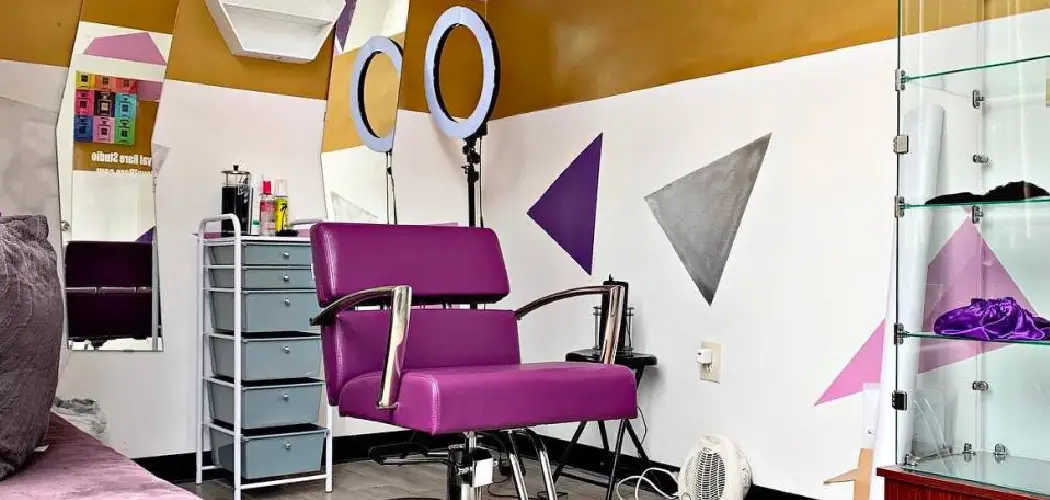
A swivel chair is a fantastic piece of furniture, offering flexibility and easy movement in any workspace.
However, that constant rotation can sometimes become more of a distraction than a feature. Whether you’re trying to focus on a task, keep your chair perfectly aligned with your desk, or simply prefer a stationary seat, an endlessly turning chair can be a real annoyance.
In this guide on how to stop swivel chair from turning, we will discuss some simple and effective methods to keep your chair in one place.

What Will You Need?
Fixing a swiveling chair is a straightforward DIY project that doesn’t require a workshop full of tools. Here’s a list of materials you might need, depending on the method you choose:
- Wrench or socket set
- Rubber wedges or door stoppers
- Hose clamp (sized for your chair’s pneumatic cylinder)
- Duct tape or heavy-duty tape
- Screwdriver
- Wood blocks
- Drill and screws (for more permanent solutions)
- Furniture glides or pads
10 Easy Steps on How to Stop Swivel Chair From Turning
Ready to regain control of your chair? Follow these detailed steps to stop the spin. Depending on your chair’s design and your desired level of permanence, you may only need to follow a few of these steps.
Step 1: Inspect the Chair and Your Workspace
Before you start disassembling anything, take a moment to assess the situation. First, check your floor. Use a level to see if the surface where your chair sits is uneven. An unlevel floor is often the primary culprit. Next, sit in the chair and rock gently side-to-side. Does it feel loose? Try to identify where the swiveling action originates. It’s usually from the large cylinder connecting the seat to the base. Understanding the core issue will help you choose the most effective solution. This initial inspection can save you a lot of time and effort by pointing you directly to the problem, whether it’s your environment or the chair itself.
Step 2: Tighten the Swivel Mechanism
Many chairs have a tension knob or nut located directly underneath the seat, often near the swivel plate. If this component is loose, it can cause excessive spinning. Flip your chair over to get a clear view of the underside. Look for a large nut or a tension adjustment knob. Using a wrench or your hand, try tightening it. Turning it clockwise will usually increase the resistance, making the chair harder to turn. Tighten it as much as you can. For some chairs, this simple adjustment is all that’s needed to reduce or completely stop the unwanted rotation, restoring a sense of control without any complex modifications.

Step 3: Use the Rubber Wedge Method
One of the quickest and least invasive ways to stop a swivel chair is by using rubber wedges, like small door stoppers. This method works by creating friction and physically blocking the rotation. Identify the gap between the chair’s pneumatic cylinder (the central post) and the base. Carefully insert one or two rubber wedges into this gap. Push them in firmly until they are snug and prevent the chair from turning. This is an excellent temporary solution because it requires no tools and can be easily removed if you decide you want the swivel function back. It’s effective, affordable, and reversible.
Step 4: Apply a Hose Clamp
For a more secure, semi-permanent solution, a hose clamp is an excellent choice. You’ll need to measure the diameter of your chair’s central gas cylinder to get the right size clamp. Open the hose clamp and position it around the cylinder, just above the chair’s base. Place a small piece of rubber or wood block between the clamp and the chair’s wheel base hub. As you tighten the clamp with a screwdriver or nut driver, this block will press firmly against the hub, locking the cylinder in place and preventing it from rotating. This method provides a very strong hold.
Step 5: The Duct Tape Solution
When you need a quick fix and don’t have other materials on hand, duct tape can come to the rescue. While not the most elegant solution, it is surprisingly effective for temporarily stopping the swivel. Flip the chair over and locate the point where the seat mechanism meets the chair base. Use several layers of heavy-duty duct tape to wrap around this joint, essentially taping the upper part of the chair to the stationary base. Be generous with the tape, wrapping it tightly to create a strong bond that resists the turning motion. This is a great short-term fix until you can implement a more permanent one.
Step 6: Create a Wooden Block Brace
If you’re comfortable with a bit of woodworking, you can create a custom brace. Measure the space between the underside of the chair seat and the top of the chair’s leg base. Cut two small blocks of wood to fit snugly in this space, one on each side of the central cylinder. You can simply wedge them into place for a non-permanent fix. For a more stable solution, you can secure the blocks to the underside of the seat with screws. This physically prevents the upper part of the chair from rotating, providing a very solid and reliable stop to the swiveling.

Step 7: Disassemble and Lock the Swivel Plate
For those who want a completely permanent solution and are ready for a more involved process, you can lock the swivel plate itself. This will likely void your warranty. Flip the chair and remove the seat from the base. This usually involves unscrewing a few bolts. Once you have access to the swivel plate—the mechanism with the ball bearings—you can drill a hole through both the top and bottom plates. Then, insert a bolt or screw through the hole and secure it with a nut. This will physically lock the plates together, permanently stopping the chair from ever swiveling again.
Step 8: Address an Uneven Floor
If your initial inspection revealed an uneven floor, addressing this might be the best long-term solution. You can place a small, sturdy mat or a piece of plywood under the chair to create a level surface. Another option is to use furniture glides or small shims under one or two of the chair’s wheels to level it out. By correcting the slope, you eliminate the gravitational pull that was causing the chair to turn, allowing it to stay put without any modifications to the chair itself. This solves the root cause of the problem for a more natural fix.

Step 9: Install a Locking Caster
While this won’t stop the chair from swiveling at its central point, it will prevent the entire chair from moving and rotating on the floor. Some unwanted turning is caused by small movements from the casters. You can purchase locking casters that are compatible with your office chair. Simply pull out the old wheels (they usually pop right out) and push the new locking casters into place. When you want the chair to remain stationary, you can engage the locks on the wheels. This is particularly useful if your chair tends to drift and turn on a hard surface.
Step 10: Check for a Built-in Lock
Before you go through all these steps, it’s worth giving your chair one last look-over. Some higher-end ergonomic chairs come with a built-in swivel lock mechanism that users may not even be aware of. Look for a lever or knob under the seat, separate from the height and tilt adjustments. It might be marked with a symbol indicating rotation. If you find one, simply engage it to lock the swivel function. It’s the easiest fix of all, but it’s often overlooked. Consulting your chair’s user manual, if you still have it, can quickly confirm if this feature exists.

5 Things You Should Avoid
- Don’t Over-tighten Bolts: When tightening components, be firm but don’t apply excessive force. Stripping screw threads or cracking plastic parts will create a bigger problem.
- Avoid Using Glue: Using strong adhesives like super glue might seem like a quick fix, but it’s permanent and messy. It will also make future repairs or adjustments nearly impossible.
- Don’t Damage the Pneumatic Cylinder: Be careful not to drill into or puncture the central gas cylinder. It is under pressure and can be dangerous if damaged.
- Avoid Unstable Fixes: Don’t use materials that can easily slip or fall out of place, like stacked coins or folded paper. These can fail unexpectedly and may not provide a reliable solution.
- Don’t Forget to Test Your Work: After applying a fix, sit in the chair and test it carefully. Make sure it’s stable and doesn’t wobble before you resume normal use.
Conclusion
An office chair that won’t stop turning can be a persistent frustration, but it’s a problem with many simple solutions.
Whether you opt for a quick and reversible fix like a rubber wedge or a more permanent solution like locking the swivel plate, you have the power to customize your chair to your needs.
By following these steps on how to stop swivel chair from turning, you can easily create a more stable and focused environment, making your trusty swivel chair the comfortable and stationary seat you want it to be.
