
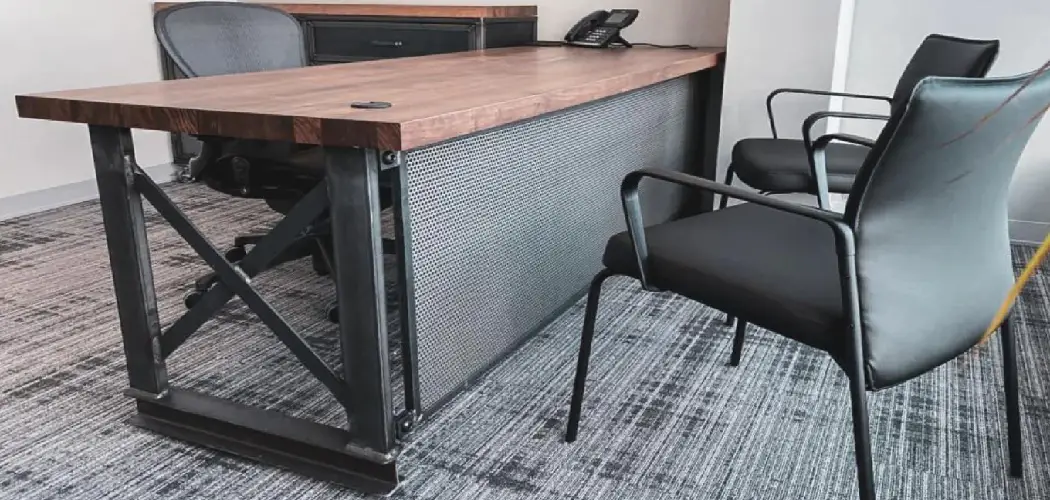
The furniture you choose for your office does more than fill up space. It shapes how you work, how you feel throughout the day, and how productive you can actually be. Whether you’re setting up a home office from scratch or refreshing a commercial workspace, picking the right pieces is a decision worth taking seriously.
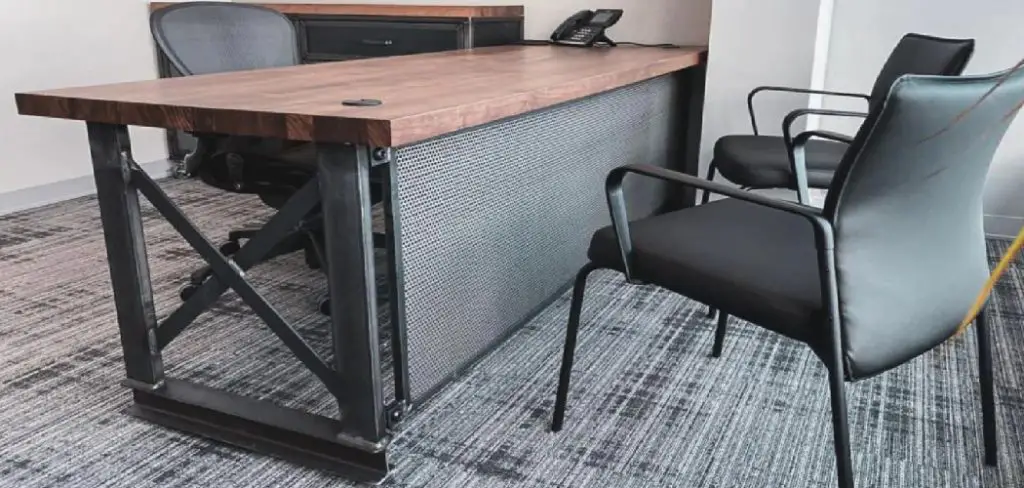
With so many options available — different styles, materials, sizes, and price points — it’s easy to feel overwhelmed before you even get started. That’s exactly why this guide exists. We’ll walk you through the key benefits of choosing wisely, what you’ll need to prepare, ten practical steps to help you make the right calls, and common mistakes to steer clear of.
Let’s dive into how to choose office furniture.
What Are the Benefits?
Investing time and thought into your office furniture choices pays off in several meaningful ways:
- Better productivity — A well-organized, comfortable workspace reduces distractions and helps you stay focused longer.
- Improved health — Ergonomic furniture supports your posture and reduces strain, lowering the risk of back pain, neck issues, and repetitive stress injuries.
- Professional appearance — The right furniture communicates credibility and care, whether you’re meeting clients in person or showing your space over video.
- Long-term savings — Quality pieces last longer and require fewer replacements, making them a smarter financial choice over time.
- Boosted morale — A space that feels good to work in genuinely lifts your mood and motivation every single day.
What Will You Need?
Before you start browsing or buying, gather a few essentials to guide your decisions:
- Room measurements — Know the exact dimensions of your space, including ceiling height and door/window placement.
- A budget range — Set a realistic number for what you’re willing to spend across all pieces.
- A list of must-haves — Identify which furniture items are non-negotiable (desk, chair, storage, etc.).
- Workflow clarity — Understand how you actually use your space day to day, so you can match furniture to function.
- Style preferences — Have a rough idea of the look and feel you’re going for, whether that’s modern, traditional, or somewhere in between.
10 Easy Steps on How to Choose Office Furniture
Step 1: Measure Your Space Before Anything Else
Pull out a tape measure before you browse a single product listing. Write down the exact length, width, and ceiling height of your room. Note where the doors, windows, electrical outlets, and vents are located, and measure the door frame width too — you need to know whether a piece will actually fit through the entrance.

Once you have these numbers, create a simple floor plan. It doesn’t need to be artistic; a rough sketch with accurate dimensions is enough. This gives you a clear picture of how much usable floor space you’re working with and prevents the very common mistake of buying furniture that technically fits the room but makes it feel cramped or blocks essential access points. Refer back to these measurements constantly throughout the buying process.
Step 2: Set a Realistic Budget — and Stick to It
Decide on your total spending limit before you start comparing products. Then break that number down by category. For example, if your budget is $1,500, decide roughly how much goes toward the desk, chair, storage, and any additional pieces. This approach stops you from blowing the majority of your budget on one item and leaving nothing for essentials.
Be honest about what “realistic” means here. Quality office furniture is an investment, and the cheapest options often come with shorter lifespans, fewer adjustment features, and flimsier construction. Factor in delivery or assembly costs as well, since these can add up quickly. A clear budget isn’t a constraint — it’s a decision-making tool that keeps your choices focused and practical.
Step 3: List Every Piece of Furniture You Actually Need
Before you think about style or color, write down a full inventory of what your workflow requires. Do you need a large surface for multiple monitors? A dedicated filing cabinet for physical paperwork? A bookshelf for reference materials? A meeting table if clients visit your space?
Start with the non-negotiables — the pieces you absolutely cannot work without — and then consider nice-to-haves separately. This distinction helps you spend where it matters most. It also stops you from filling a space with furniture that looks good but doesn’t earn its place. Every piece should serve a clear purpose in how you actually work day to day.
Step 4: Make Ergonomics a Top Priority
Your desk and chair are the two most important purchases in any office setup. These are the items that directly affect your body over hours of daily use, so cutting corners here is a decision you’ll feel — literally.

For your chair, look for adjustable seat height, lumbar support, armrests, and seat depth. Your feet should rest flat on the floor, your knees should be at roughly a 90-degree angle, and your lower back should feel supported without strain. For your desk, the surface should sit at a height where your elbows rest comfortably at roughly 90 degrees when you’re seated. If you spend long hours at your desk, a sit-stand option is worth serious consideration. Ergonomic furniture isn’t a luxury — it’s a long-term investment in your physical health and daily comfort.
Step 5: Plan Your Layout Before You Buy
Knowing which pieces you need is different from knowing where they’ll go. Think carefully about the layout before you commit to any purchase. Consider how you move through the space during a typical workday and where you need quick access to items.
Position your primary workstation near natural light when possible, but avoid placing screens where glare will be a constant issue. Make sure there’s enough clearance around each piece of furniture — at least 36 inches of walkway space allows for comfortable movement. If multiple people will use the space, think about how their work zones interact. Sketch two or three different layout options and live with the idea for a day before deciding. A well-planned layout makes the same amount of furniture feel far more spacious and functional.
Step 6: Think Through Storage From the Start
Storage is one of the most underestimated elements of a well-functioning office. Without it, clutter accumulates on desk surfaces, productivity drops, and the entire space starts to feel chaotic. Plan your storage strategy early, not as an afterthought once everything else is in place.
Consider what you need to store — documents, books, tech equipment, office supplies — and choose furniture accordingly. Filing cabinets, lateral drawers, floating shelves, and storage ottomans are all solid options depending on your space and style. Vertical storage works well in smaller rooms where floor space is limited. The goal is simple: everything should have a designated home so your desk stays clear and your focus stays sharp.
Step 7: Evaluate Material Quality Carefully
Not all office furniture is built to the same standard, and the difference between quality materials and cheap alternatives becomes very apparent after 12 to 18 months of daily use. Understanding what to look for helps you spend wisely.
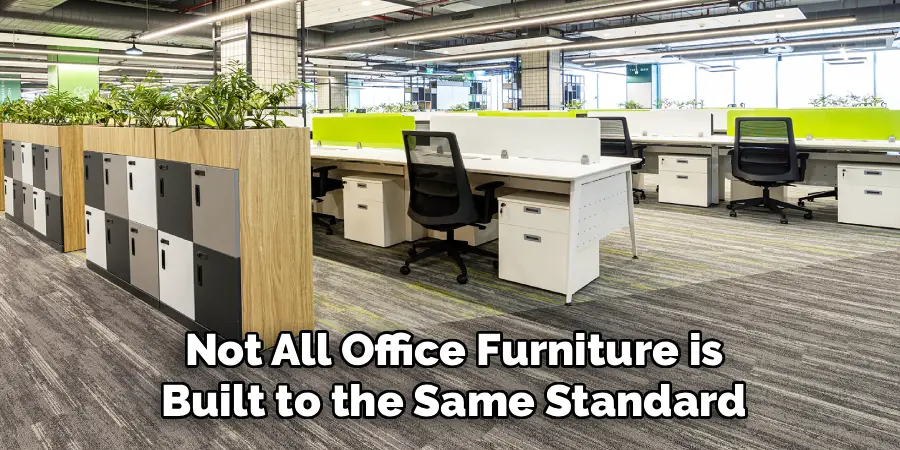
Solid wood and metal frames tend to offer the best durability and longevity. High-density MDF with quality laminate is a reliable mid-range option for desk surfaces. Avoid furniture built primarily from thin particleboard, which is prone to warping, sagging under weight, and deteriorating at joints over time. For chairs, look at the quality of the foam, the frame material, and whether the adjustment mechanisms feel sturdy. Read independent reviews, check manufacturer warranties, and — where possible — see the piece in person. A longer warranty is often a reliable indicator that the manufacturer has confidence in the product’s durability.
Step 8: Choose a Style That Matches Your Space and Work Culture
Consistency in style creates a workspace that feels intentional and focused rather than assembled from mismatched pieces. Think about the overall aesthetic you want — clean and modern, warm and traditional, industrial, or minimalist — and use it as a filter when browsing options.
If you have clients visiting your office, the style also communicates something about your professionalism and brand. A coherent, well-put-together space signals attention to detail. For home offices, the furniture should complement the rest of your home’s aesthetic while still feeling distinct enough to signal “work mode” to your brain. You don’t need to match every piece exactly, but sticking to a consistent material palette — similar wood tones, metal finishes, or color families — creates visual harmony without requiring a perfectly curated showroom look.
Step 9: Test Furniture In Person Whenever You Can
Photos and product descriptions only tell part of the story. Whenever possible, visit a showroom and interact with the furniture before purchasing. This is especially important for chairs and desks, where feel and adjustability matter enormously.
Sit in a chair for several minutes, not just a few seconds. Adjust every setting available — height, armrests, lumbar support, tilt tension. A chair that feels fine during a brief test might reveal discomfort after 30 minutes of actual sitting. Open drawers, check the smoothness of mechanisms, press on surfaces to feel the solidity of the construction. If buying online is unavoidable, look specifically for retailers with generous return policies and prioritize brands with verified customer reviews that speak to long-term use, not just initial impressions.
Step 10: Plan for Future Needs, Not Just Today’s
The workspace you need in one year may look different from what you need right now. Before finalizing any furniture decision, spend a few minutes thinking about how your situation might evolve. Will your team grow? Will you take on more client meetings? Will your tech setup expand?
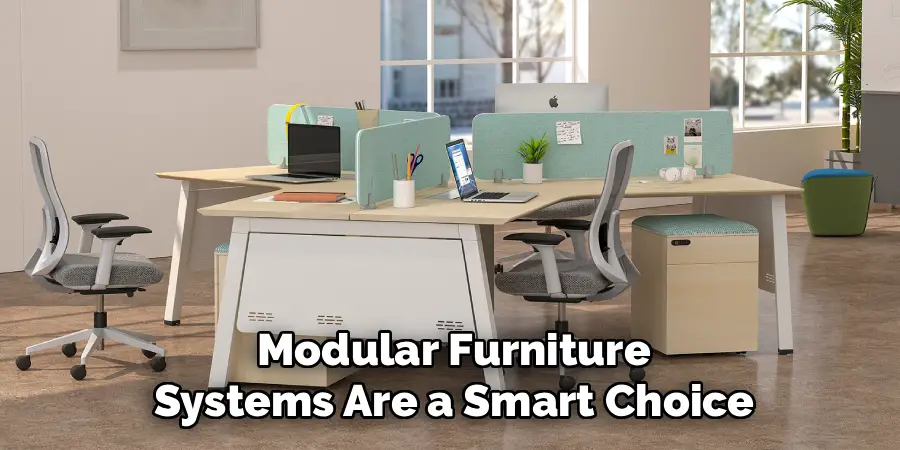
Modular furniture systems are a smart choice for anyone with uncertainty about the future — they can be reconfigured or extended without replacing everything. Buying a desk with extra surface area or a shelving unit with room to expand costs a little more upfront but saves significant time and money later. Think of your office as a system that should scale with you, not a static snapshot of where you are today. Furniture that adapts to change is almost always a better investment than furniture that only works for one specific scenario.
Conclusion
How to choose office furniture doesn’t have to be complicated, but it does deserve careful thought. The right pieces make your space more comfortable, more functional, and more enjoyable to spend time in — all of which adds up to better work and a better day.
Start with your measurements, set your budget, and build from function outward. Invest where it counts, avoid the common pitfalls, and plan with the future in mind.
Your office should work as hard as you do, and with the right furniture in place, it absolutely can.
