
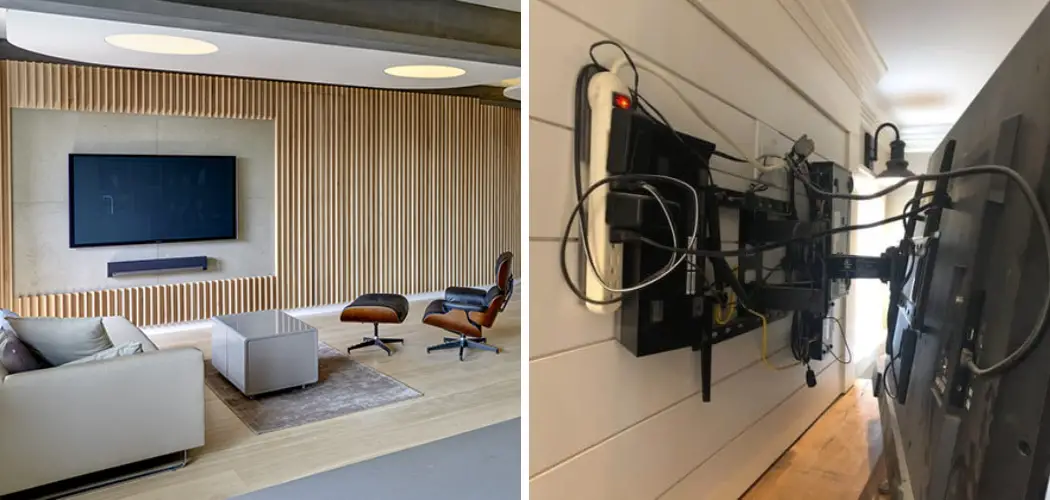
Has your cable box been taking up too much space in your entertainment center, an eyesore that it is? While you can’t entirely remove the bulky package, hiding it from plain view is possible without compromising your ability to change channels or access On Demand with your remote.

When I was tired of my cable box interrupting the clean lines of my living room, I set out to conceal it discreetly so I could still use the full functionality of the remote without having to see the box.
Through experimenting, I discovered a clever solution using everyday household items that allows me to keep the box out of sight yet in range for smooth remote control. In this post, I’ll share the simple method of how to hide cable box and still use remote.
Necessary Items
First and foremost, you’ll need the following items to complete this project:
- A cable box (obviously)
- An IR extender or IR blaster cable
- Electrical tape or masking tape
- A small box with walls at least 3 inches high (such as a shoebox or plastic container)
10 Steps on How to Hide Cable Box and Still Use Remote
Step 1: Position your Cable Box
First, decide where you want to hide your cable box. Ensure it’s within range of the remote and has enough room for proper ventilation.
Step 2: Set up the IR Extender or Blaster Cable
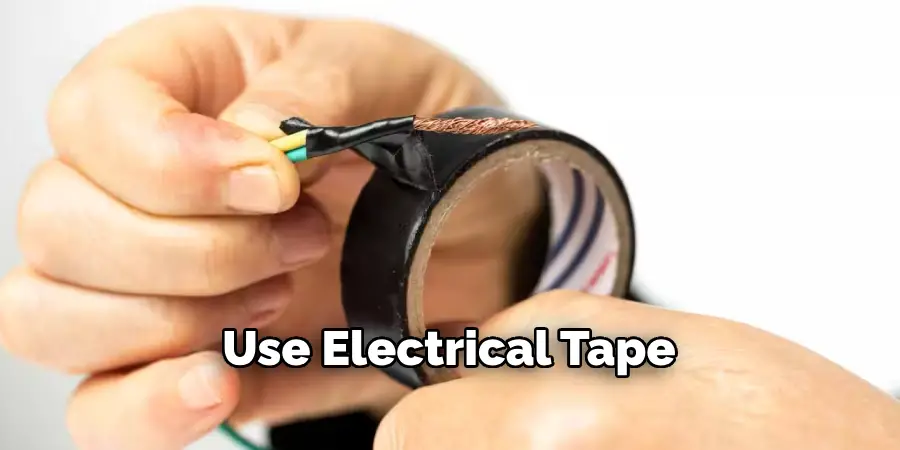
Plug one end of the IR extender or blaster cable into the back of your cable box. The other end should be placed to reach your remote’s sensor, usually located on the front or top of the TV. You may need to use electrical tape to secure the cable in place.
Step 3: Test the Connection
Turn on your TV and point your remote at the cable box to ensure it still works with the IR extender or blaster cable. If it does, move on to the next step.
Step 4: Prepare the Box
Take your small box and cut a hole in one of the walls large enough for the IR extender or blaster cable to fit through. You can also cut out additional holes for ventilation if needed.
Step 5: Hide the Box
Place the box over your cable box, ensuring that the IR extender or blaster cable is still connected and the hole in the wall lines up with the sensor on your cable box. Use electrical tape to secure the box to prevent it from moving if necessary.
Step 6: Test the Remote Again
Point your remote at the sensor on the box and test to see if it still works. If it does, proceed to the next step.
Step 7: Conceal with Decor
Now that your cable box is hidden, you can decorate the box however you like. You can paint it to match your decor or cover it with patterned contact paper. Be creative and make it blend in seamlessly with your entertainment center.
Step 8: Organize Cords
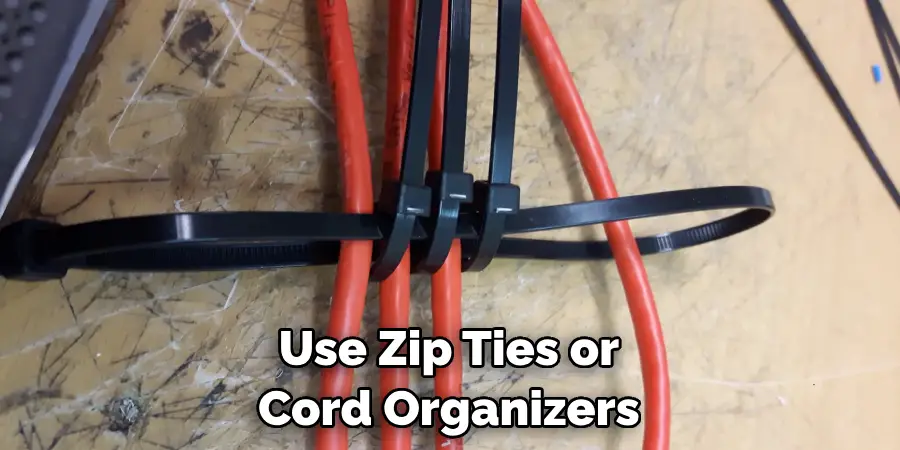
If you have cords coming out of the box, use zip ties or cord organizers to keep them neat. You can also use a surge protector to keep all your lines in one place.
Step 9: Enjoy Your New Set Up
With your cable box hidden, you can enjoy a clutter-free entertainment center. Plus, you still have complete control over your remote!
Step 10: Troubleshooting
If the remote isn’t working correctly, check that the IR extender or blaster cable is securely connected and that no obstacles are blocking the signal. You may also need to adjust the placement of the box or cable for better reception.
Hiding your cable box and still using your remote is possible with just a few household items and creativity. With this simple solution, you can enjoy a clean and clutter-free entertainment center while still having complete control over your cable box. Give it a try and see its difference in your living space!
8 Things to Avoid When Hiding Your Cable Box
1. Blocking the IR sensor on Your Cable Box or TV
Ensure the IR extender or blaster cable is positioned so that it doesn’t obstruct the IR sensor on your cable box or TV. Otherwise, you may experience issues with your remote’s functionality.
2. Not Considering Ventilation
It’s essential to ensure that your cable box has proper ventilation even when hidden in a box. Blocking airflow can cause your cable box to overheat, resulting in malfunctions.
3. Choosing the Wrong Box
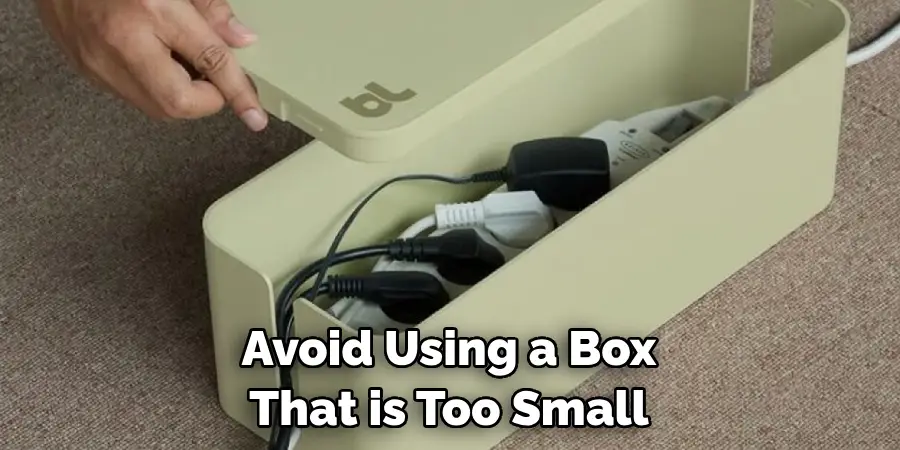
Avoid using a box that is too small or doesn’t have enough room for proper ventilation. This can also lead to overheating and other issues with your cable box.
4. Using a Box with No Openings
Do not use a box with no openings or vents, as this can also lead to overheating. If you’re using a plastic container, cut out some holes for ventilation.
5. Not Testing the Remote Before Securing the Box
It’s essential to double-check that your remote is still functioning correctly with the IR extender or blaster cable before securing the box in place. This will save you from having to redo any steps.
6. Not Securing the Box Properly
To avoid accidents, secure the box using tape or other methods to prevent it from moving. This will also ensure that the IR extender or blaster cable stays connected.
7. Using a Box That is Too Far from the TV
The box should be within range of the remote’s sensor, so make sure not to place it too far away from your TV. Otherwise, you may experience issues with the remote’s functionality.
8. Not Considering the Aesthetics
While hiding your cable box is important, it’s also essential to consider the aesthetics of your entertainment center. Choose a box or container that blends seamlessly with your decor and doesn’t stick out like a sore thumb. Remember, you can decorate the box to make it more visually appealing!
Hiding your cable box while still being able to use your remote is a simple and easy solution for achieving a clutter-free entertainment center. With just a few household items, you can create a seamless and functional setup that will enhance the look of your living space. By following these steps and avoiding common mistakes, you’ll enjoy all the benefits of hiding your cable box without any issues.
Frequently Asked Questions
Will This Work With Any Type of Cable Box?
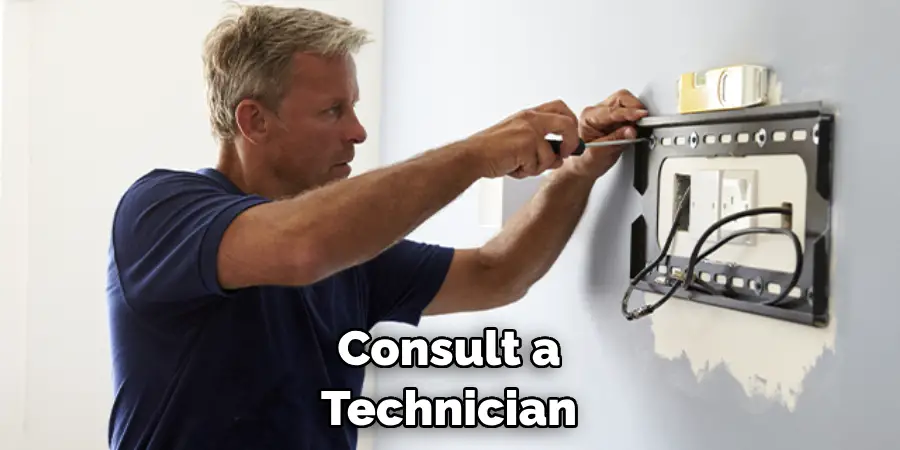
Yes, as long as your cable box has an IR sensor and a remote that uses infrared signals. Check your cable box’s specifications or consult a technician if you need clarification.
Can I Still Access My Cable Box’s Buttons?
While the box may cover the buttons, most cable boxes also come with remotes that can access all of its functions. You can still use these buttons if needed, but using the remote for everyday use may be more convenient.
Can I Use This Method with Other Devices?
You can use this method to hide other devices, such as a DVD player or gaming console. Before attempting this method, check if the device has an IR sensor and remote control capabilities.
How Do I Secure the Box Without Damaging My Furniture?
There are several ways to secure the box without damaging your furniture. You can use removable adhesive strips, double-sided tape, or even place heavy objects on top of the box to keep it in place. Just make sure the package is secure and won’t move quickly.
Will This Affect My Cable Box’s Performance?
If you follow the steps correctly and consider proper ventilation, this method should not affect your cable box’s performance. Keeping it hidden and away from dust and debris may improve its longevity. So go ahead and hide that cable box with confidence!
What If I Need to Access the Cable Box for Maintenance?
If you need to access the cable box for maintenance or any other reason, simply remove the box covering it. You can easily reattach it once you’re done. Just make sure to secure it properly again before using your remote.
Hiding your cable box can not only improve the aesthetics of your entertainment center, but also make it more functional and organized. With a few simple steps and some precautionary measures, you can enjoy a clutter-free living space while completely controlling your cable box. Give it a try and see the difference for yourself!
Conclusion
Hiding your cable box while still being able to use your remote is a simple and effective way to declutter your entertainment center. By avoiding common mistakes and following the steps on how to hide cable box and still use remote outlined in this guide, you can quickly achieve a clean and organized living space without sacrificing functionality.
If you’re tired of the unsightly mess of cables and wires that come with a cable box, there are ways to hide it without sacrificing functionality. We’ve covered various methods, such as using an infrared transmitter, cable hiders, decorative containers, or even creating a custom-built cabinet to neatly tuck away your cable box.
Remember to consider your space and personal style when choosing the best option. You can quickly achieve a sleek and organized look with some creativity and crafting skills without breaking the bank. So go ahead and give these tips a try and say goodbye to tangled cords and bulky electronics in your living room!
