
An office chair that slowly drops while you sit can be annoying, uncomfortable, and bad for your posture. You adjust the height, settle into your work, and a few minutes later you are sitting too low again. This usually happens because the chair’s gas lift cylinder is worn, leaking pressure, or no longer holding your weight properly.
The good news is that you do not always need to replace the whole chair. Learning how to fix office chair sinking can help you save money, improve comfort, and make your workspace more usable again.
This guide explains the problem in simple terms and walks you through practical repair options. Some fixes are temporary and low-cost, while others are more permanent. You will learn how to check the chair, confirm the cause, choose the right repair method, and know when replacing the cylinder is the best choice.
Why Fixing A Sinking Office Chair Matters
Fixing a sinking office chair matters because chair height affects your posture, comfort, and focus. When your chair drops too low, your wrists, shoulders, back, and neck may sit at awkward angles. Over time, this can lead to strain and fatigue.
A chair that will not stay up also interrupts your work. You may keep adjusting it instead of staying focused on the task in front of you.
Repairing the problem can extend the life of the chair and help you avoid buying a new one too soon. It also makes your workspace safer and more stable. A properly adjusted chair supports better sitting habits, especially if you spend long hours at a desk.
Step-by-Step Guide To How To Fix Office Chair Sinking
Step 1: Confirm The Chair Is Actually Sinking
Start by checking whether the chair is truly sinking or if it only feels uneven. Sit on the chair and raise it to your preferred height. Keep your feet flat on the floor and stay still for a minute or two.
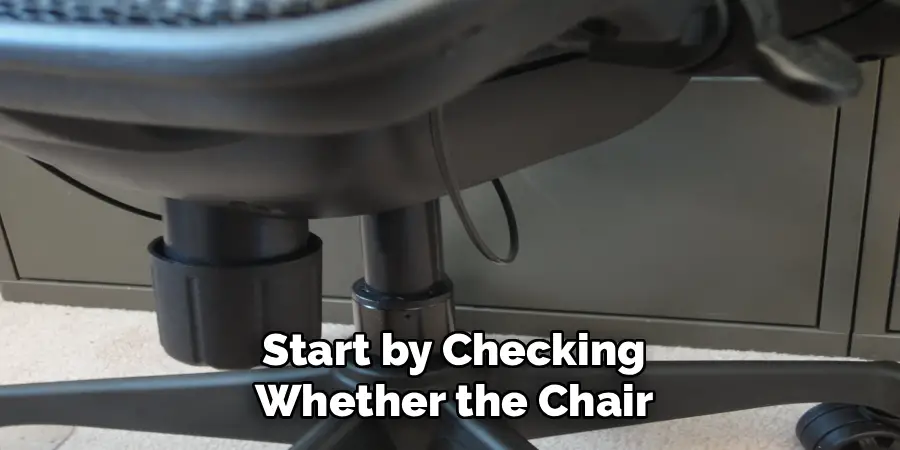
If the seat slowly lowers without touching the height lever, the gas lift cylinder is likely failing. If the chair drops only when you move, lean, or bump the lever, the problem may be with the control mechanism instead.
If you want to understand how to fix office chair sinking, this first test is important. It helps you avoid replacing parts that are not causing the issue.
Step 2: Inspect The Height Lever And Control Plate
Turn the chair upside down carefully and look under the seat. The height lever connects to a control plate, which presses the valve on the gas cylinder. If this lever is stuck, bent, or pressed in all the time, the chair may keep lowering.
Move the lever gently and watch how the mechanism responds. It should spring back into place when released. If it stays pressed against the cylinder valve, try repositioning it by hand.
Tighten any loose screws around the control plate. A loose plate can shift enough to make the chair behave as if the height lever is being used.
Step 3: Clean Around The Cylinder And Base
Dust, hair, and debris can collect around the chair cylinder, base, and moving parts. While this usually does not cause a failed gas lift, it can affect how smoothly the chair moves and make inspection harder.
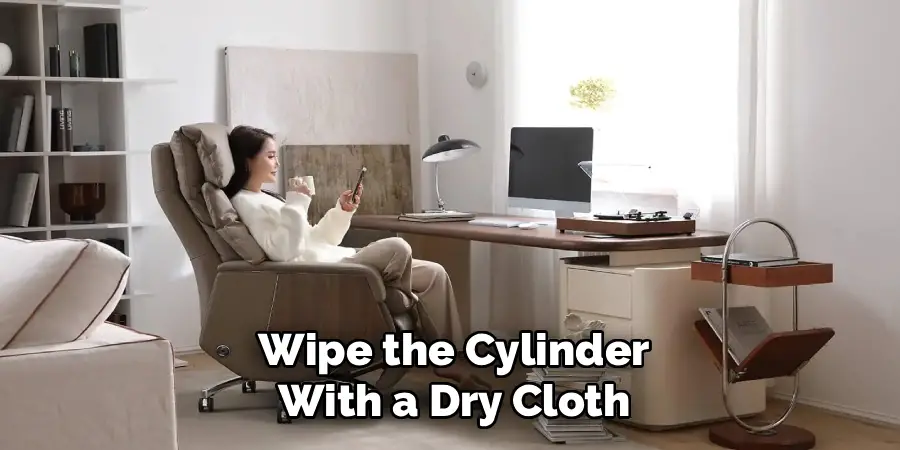
Wipe the cylinder with a dry cloth. Clean the area where the cylinder meets the seat plate and the wheel base. If there is sticky buildup, use a slightly damp cloth and dry the area right away.
Avoid soaking the mechanism with water or harsh cleaners. The goal is not to repair the gas lift with cleaning alone. It is to make sure nothing obvious is blocking or interfering with the chair’s height system.
Step 4: Measure Your Preferred Seat Height
Before choosing a repair method, find the height you want the chair to stay at. Sit at your desk and adjust the chair until your feet rest flat on the floor. Your knees should be near a 90-degree angle, and your elbows should sit comfortably near desk height.
Use a tape measure to record the distance from the floor to the top of the seat. This measurement matters if you plan to use a clamp, spacer, or pipe sleeve as a fixed-height support.
Do not guess the height. A repair that locks the chair too high or too low may solve the sinking problem but create new posture issues.
Step 5: Use A Hose Clamp For A Temporary Fix
A hose clamp can stop the chair from dropping by creating a firm stop around the cylinder. Raise the chair to the height you measured, then expose the shiny metal part of the gas lift. Place a hose clamp around the cylinder at the point where it can support the seat.
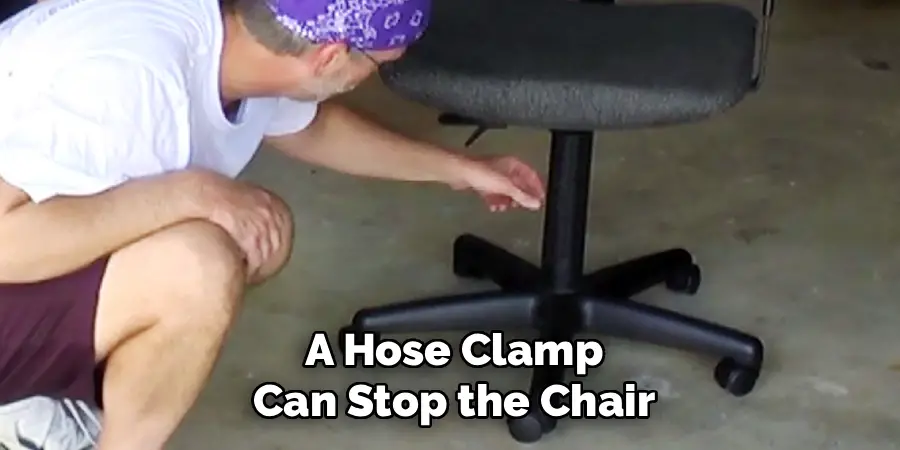
Tighten the clamp firmly with a screwdriver. It should not slide down when pressure is applied. For better grip, you can wrap a strip of rubber or strong tape around the cylinder before adding the clamp.
This is a low-cost method, but it is not the most attractive or adjustable option. It works best when you need a quick fix.
Step 6: Add A PVC Pipe Sleeve For Stronger Support
A PVC pipe sleeve can provide a sturdier fixed-height repair. Measure the exposed part of the chair cylinder when the seat is at your preferred height. Choose a PVC pipe with an inner diameter large enough to fit around the cylinder.
Cut the pipe lengthwise so it can snap around the cylinder. Then cut it to the needed height. Place it over the cylinder between the chair seat and the base so it acts as a support column.
This is one common approach for how to fix office chair sinking when you want a stronger temporary repair. It stops the seat from sliding down, but the chair height will no longer adjust normally.
Step 7: Replace The Gas Lift Cylinder
Replacing the gas lift cylinder is the best long-term repair for most sinking office chairs. Start by buying a compatible replacement cylinder. Many office chairs use standard cylinders, but it is still smart to check the size, height range, and weight rating before ordering.
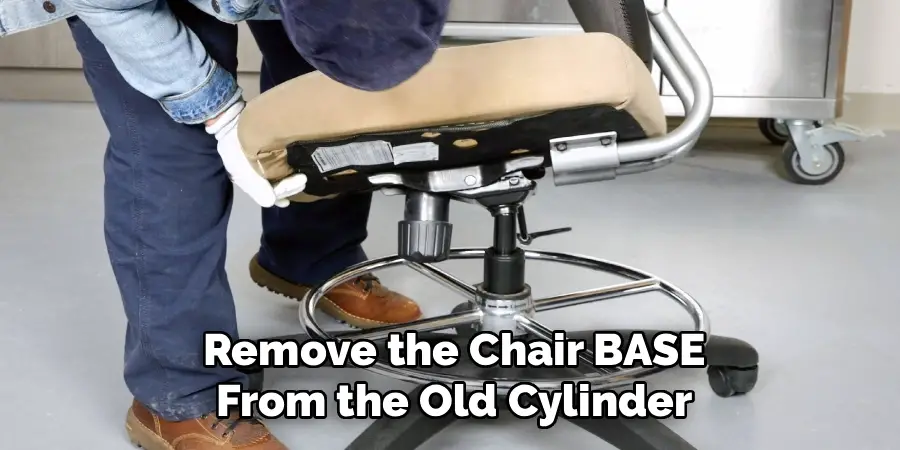
Remove the chair base from the old cylinder first. This may require a rubber mallet and firm tapping. Then separate the cylinder from the seat mechanism. Old cylinders can be stuck tightly, so work slowly and protect the floor.
Once the old part is removed, insert the new cylinder into the base and seat plate. Sit carefully to lock it in place.
Step 8: Test The Repair And Adjust Your Setup
After the repair, place the chair upright and sit down slowly. Raise and lower the seat if the height function still works. If you used a clamp or pipe sleeve, check that the chair stays at the fixed height without slipping.
Move gently from side to side and lean back slightly. Listen for unusual sounds and feel for wobbling. If the chair feels unstable, stop using it and inspect the parts again.
Once the chair holds steady, adjust your desk setup. Your screen, keyboard, and mouse should match your improved sitting height. A chair repair works best when the whole workspace supports comfortable posture.
Frequently Asked Questions
Why Does My Office Chair Keep Going Down?
Your office chair usually keeps going down because the gas lift cylinder can no longer hold pressure. This cylinder uses compressed gas to raise and support the seat. Over time, seals inside the cylinder can wear out or leak. When that happens, the chair may slowly lower even when you are sitting still and not touching the height lever.
Can I Repair The Gas Cylinder Itself?
In most cases, you should not try to repair the inside of a gas cylinder. It is a sealed pressure part, and opening it can be unsafe. Temporary external fixes, such as clamps or sleeves, can stop the seat from dropping. For a proper long-term solution, replacing the full cylinder is usually safer, cleaner, and more reliable.
Is It Worth Replacing An Office Chair Cylinder?
Replacing the cylinder is often worth it if the rest of the chair is still in good condition. If the seat, backrest, wheels, and armrests are comfortable and stable, a new cylinder can give the chair several more years of use. However, if the chair is badly worn, cracked, or unstable, replacement may be the better value.
Will A Hose Clamp Damage My Chair?
A hose clamp can scratch the metal cylinder, especially if it is tightened directly against the surface. This may not matter if the cylinder already needs replacement, but it can affect appearance. To reduce marks and improve grip, place rubber, cloth, or strong tape under the clamp before tightening it. The clamp should be firm, not crushed into the metal.
How Do I Know What Replacement Cylinder To Buy?
Check your chair’s brand, model, and current cylinder size if possible. Many office chairs use standard gas lift cylinders, but height range, width, and weight capacity can vary. Look for a replacement that matches your chair type and supports your body weight. If you are unsure, remove the old cylinder first and compare it with product measurements before buying.
Conclusion
A sinking office chair is frustrating, but it is usually caused by a simple problem: a worn gas lift cylinder or a control mechanism that is not working correctly. By testing the chair, checking the lever, cleaning the area, and choosing the right repair method, you can often restore comfort without replacing the whole chair.
Temporary fixes like hose clamps and PVC sleeves can work well when you need a quick solution. If you want a cleaner and longer-lasting repair, replacing the gas lift cylinder is usually the best option.
Now that you know how to fix office chair sinking, start with a careful inspection and choose the fix that matches your chair, budget, and comfort needs.
