

A dull workspace does something slow and insidious to your energy. By 2 p.m., the gray walls and humming fluorescent lights may have already done their damage — that specific kind of fatigue that isn’t really tiredness but something closer to low-grade defeat. If you’ve spent years accepting your cubicle as-is, you’re not alone, but you’re also not stuck.
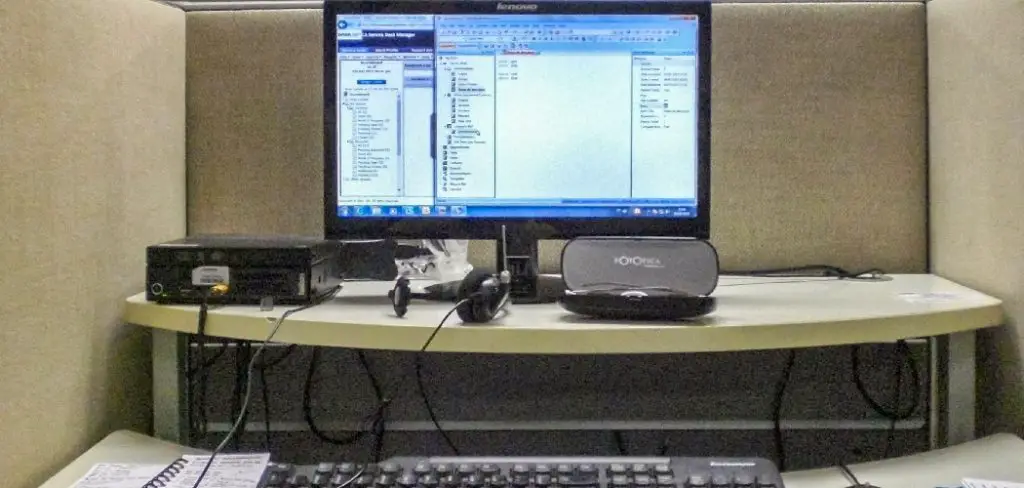
Personalizing a cubicle isn’t about making it look like a Pinterest board. It’s about spending eight hours a day somewhere that doesn’t quietly work against you. A few deliberate changes to your immediate surroundings could shift how you feel about showing up on a Monday morning — and that’s worth taking seriously. In this guide on how to decorate work cubicle, we’ll explore some practical and creative ways to make your cubicle feel more like home.
What Tools and Materials Will You Need?
- Photos and Artwork
- Plants
- Desk Accessories
- Inspirational Quotes and Posters
- Organization Tools
7 Steps on How to Decorate Work Cubicle
Step 1: Deep Clean and Declutter First
Everything else depends on this step going well. Pull everything off your desk surface, out of your drawers, and off the walls. All of it. Once you’re working with a blank space, wipe down every surface — desk, monitor edges, keyboard, shelving — using an antibacterial cleaner. Coffee rings and dust have a way of hiding in plain sight until you’re actually looking for them.

Then comes the harder part: deciding what goes back in. Be honest with yourself. Dried-out pens, documents from two years ago, novelty items that made sense at the time — most of it can go. What you keep should earn its place. A clean foundation isn’t just aesthetically satisfying; it also prevents new decorations from making an already tight space feel suffocated.
Step 2: Choose a Color Palette You’ll Actually Like in Six Months
There’s a meaningful difference between a cubicle that looks intentional and one that just looks busy. Picking a loose color palette — even something as simple as “warm neutrals with one accent color” — gives you a filter for every purchasing decision that follows.
Some people gravitate toward calming tones like sage green or soft terracotta because they find those colors easier to focus on. Others prefer something crisper — white and black with a pop of mustard or cobalt. Neither is objectively better. What matters is picking something you won’t grow tired of, because you’ll be looking at it for hours every day.
When your stapler, your notebooks, and your desk accessories share even a loose visual relationship, the whole space reads as deliberate rather than assembled at random. It shifts the cubicle from “assigned workstation” to something that actually feels like yours.
Step 3: Replace the Overhead Lighting with Something Better
Corporate fluorescent lighting is worth complaining about — it genuinely does contribute to eye strain and the low-energy feeling many people associate with long office days. A small adjustable desk lamp with a warm LED bulb can change the character of your immediate workspace considerably.
Position it so it lights your primary work surface without bouncing glare off your monitor. The goal isn’t to fully replace the overhead lights but to soften your immediate environment. A warm pool of lamplight on your desk creates a different psychological atmosphere than flat overhead fluorescence — slightly more human, slightly less clinical. It’s a modest change that tends to have a disproportionate effect on how the space feels.
Step 4: Add a Plant (or a Convincing Stand-In)
Living plants do seem to have a measurable effect on mood and focus in workspace settings — the research on this is not conclusive, but it consistently points in the same direction. Snake plants, pothos, and ZZ plants are the most reliably low-maintenance options for office conditions. They tolerate low light, irregular watering, and the kind of benign neglect that comes with a genuinely busy week.
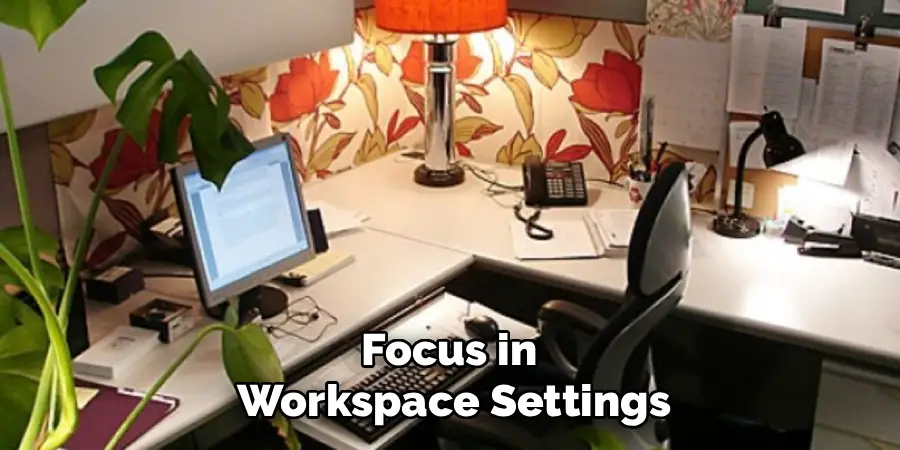
If your office has a no-plants policy, or if you’d simply prefer to skip the upkeep, high-quality artificial plants have come a long way. A realistic succulent or trailing vine on a shelf still breaks up the visual monotony of gray partitions. The psychological effect appears to carry over even when the greenery isn’t real — which says something interesting about how much our brains respond to the suggestion of life in a sterile space.
Step 5: Use Your Walls
Cubicle walls are underused by most people. They tend to become home to a single outdated calendar and maybe a sticky note or two. But fabric-covered cubicle panels are actually well-suited for lightweight displays — push pins work cleanly, and Command strips handle anything heavier without damaging the surface.
Framed photos of family, friends, or places you love are the obvious choice, and they’re obvious for good reason. A motivational print or a piece of art you genuinely like (not one you chose because it seemed “professional”) also works well. The key is arrangement — a loose grid layout or a balanced cluster looks intentional, while random scattering just adds visual noise. Keep it edited. Three or four well-placed pieces will outperform ten mediocre ones every time.
Step 6: Upgrade Your Desk Accessories
Standard-issue office supplies tend to be beige, black, or gray, and nothing about them suggests the space belongs to a specific person. Swapping them out doesn’t have to be expensive or dramatic.
Replace the plastic pen cup with a ceramic mug or a small wire organizer. Get a desk pad that adds some color and texture while also protecting your work surface. Trade the Manila folders for something with a pattern or a color that fits your palette. None of these changes is expensive, but collectively they shift the desk from generic to considered.
The added benefit is organizational: when every item has a designated container or location, you’re more likely to maintain the tidiness you worked to create in Step 1. Function and appearance tend to reinforce each other when both are thought through at the same time.
Step 7: Make the Physical Experience Better
The visual side of cubicle decoration gets most of the attention, but how your body feels in the space matters just as much. An uncomfortable chair contributes to back pain and distraction in ways that compound over months. A supportive lumbar cushion or seat pad doesn’t fix a poor ergonomic setup entirely, but it can make a meaningful difference during a long afternoon.

A footrest is worth considering if you find your feet don’t rest flat on the floor. Some people keep a lightweight throw blanket draped over their chair for the inevitable stretch of the year when office air conditioning is aggressive. These additions may not photograph well for a workspace inspiration post, but they could be the most practical changes you make.
Following these steps on how to decorate work cubicle can make a significant difference in your productivity and job satisfaction.
Common Mistakes to Avoid
The most frequent misstep is simply overdoing it. Too many small objects — figurines, souvenirs, decorative items that accumulate without much intention — can quickly undo the clarity you worked for in Step 1. When in doubt, take one thing away rather than adding another.
Cord management is another area people tend to overlook until it’s ruining everything else. A cable clip or a small adhesive cord holder costs almost nothing and keeps the desk looking clean despite the technology sitting on it.
One more worth mentioning: strong fragrances. Scented candles and heavy air fresheners may seem like a nice touch, but in a shared office environment, they carry real risk of triggering allergies or just irritating the people working nearby. If you want a subtle scent, a very light reed diffuser placed below desk level is a more considerate option.
How Much Should You Expect to Spend?
You can get meaningful results for under $50 if you’re working with items you already own and filling gaps with affordable finds from discount stores or digital print downloads. That might get you a lamp, a plant, new desk accessories, and a printed photo or two.

A more complete setup — better ergonomic accessories, a quality lamp, coordinated organizational tools — could run between $150 and $300. That’s a reasonable estimate for someone starting mostly from scratch and investing in items built to last. Neither end of the range requires a dramatic financial commitment, which makes this one of the more accessible workspace improvements available.
Frequently Asked Questions
Q1: Can I Hang Things on My Cubicle Walls?
Most fabric-covered cubicle panels accept push pins and T-pins without permanent damage. That said, it’s worth checking your employee handbook or asking HR before you start mounting things — some offices have specific guidelines. If pins aren’t permitted, cubicle clips and removable adhesive strips are reliable alternatives for lightweight items.
Q2: How Do I Make a Small Cubicle Feel Less Cramped?
Reducing desk clutter is the most effective first move. Beyond that, shifting items to vertical storage — wall-mounted file organizers, floating shelves if permitted — frees up desk surface without sacrificing function. A small mirror placed at desk level can reflect ambient light and create a sense of depth that the space doesn’t technically have.
Q3: Which Plants Actually Survive in Cubicles?
Snake plants, ZZ plants, and pothos are consistently the most forgiving in low-light office conditions. They don’t need much water and can tolerate days of inattention without visible suffering. If your cubicle has no natural light at all, a small LED grow light could help — or artificial plants remain a genuinely practical alternative.
Start Somewhere Small
Transforming your cubicle doesn’t require a weekend project or a significant budget. Start by clearing your desk surface today. Pick a color direction. Order one plant.
The changes tend to build on each other once you’ve taken the first step, and the cumulative effect on how you feel in that space may surprise you. Thanks for reading this guide on how to decorate work cubicle.
