
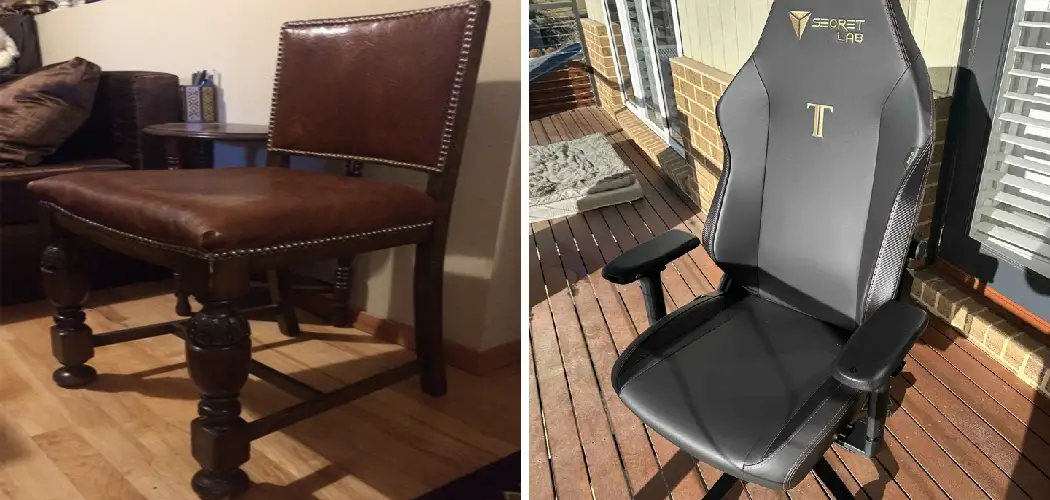
A squeaky chair can turn a quiet room into a constant source of irritation. Every shift, lean, or twist may create a creak that distracts you while working, studying, eating, or relaxing. The good news is that you can often solve the problem with simple tools and safe household materials. Learning how to fix a squeaky chair without wd 40 helps you quiet the noise without relying on a spray lubricant that may not suit every chair type.
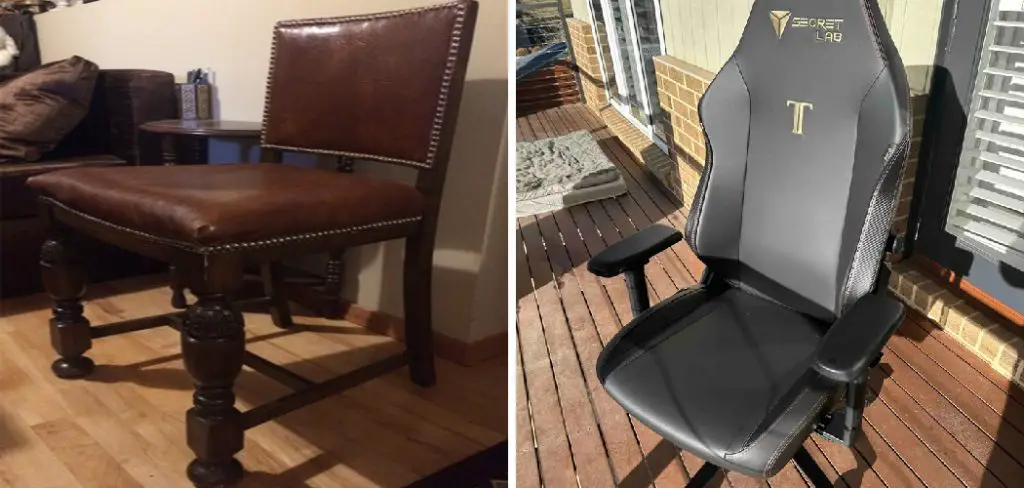
Chair squeaks usually come from loose screws, dry joints, worn moving parts, uneven legs, or friction between wood, metal, or plastic pieces. Once you find the source, the repair is often simple.
This guide is written for beginners, so you do not need special repair skills. You will learn how to inspect the chair, tighten parts, use safer lubricant options, protect wood, and test your repair. With a little patience, you can make your chair quieter, sturdier, and more comfortable to use.
Why Fixing A Squeaky Chair Matters
Fixing a squeaky chair matters because the noise is often a sign of friction, looseness, or wear. If you ignore it, a small issue can turn into a bigger repair later. Loose screws may widen holes, dry wooden joints may weaken, and metal parts may grind against each other.
A quiet chair also improves comfort. It helps you focus during work, enjoy meals without distraction, and avoid disturbing others in shared spaces. Repairing the chair can also save money because you may not need to replace it.
Most fixes are quick, low-cost, and beginner-friendly. You only need to inspect the chair carefully and use the right method for the material and problem.
Step-by-Step Guide To How To Fix A Squeaky Chair Without Wd 40
Step 1: Find The Source Of The Noise
Before you repair anything, locate the exact area making the sound. Sit in the chair and shift your weight slowly from side to side. Lean back, move forward, twist gently, and press down on the seat. Listen closely for where the squeak starts.
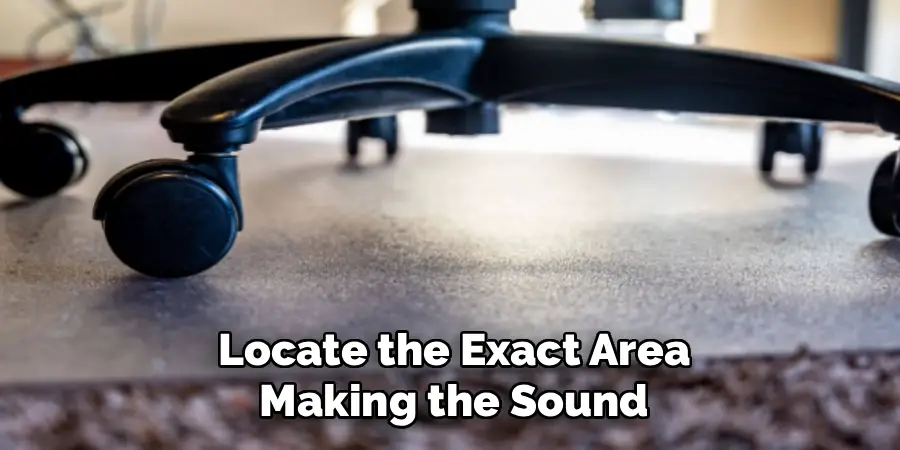
If possible, ask someone else to move the chair while you listen from below or beside it. This makes it easier to spot movement in joints, legs, screws, or brackets.
If you want to learn how to fix a squeaky chair without wd 40, the first job is diagnosis. A careful inspection prevents you from treating the wrong part and wasting time.
Step 2: Check Screws, Bolts, And Fasteners
Many chair squeaks come from loose screws or bolts. Turn the chair over if it is safe to do so, then inspect every visible fastener. Look under the seat, around the legs, near armrests, and along any metal support brackets.
Use the correct screwdriver, Allen key, or wrench to tighten each fastener. Do not force it too hard, especially on wooden furniture, because overtightening can strip the hole or crack the material.
After tightening, place the chair upright and test it again. If the sound is reduced or gone, the problem was likely movement caused by loose hardware.
Step 3: Inspect Wooden Joints For Movement
Wooden chairs often squeak when joints become dry, loose, or slightly separated. Check where the legs meet the seat, where stretchers connect the legs, and where the backrest joins the frame. Gently wiggle each part with your hand.
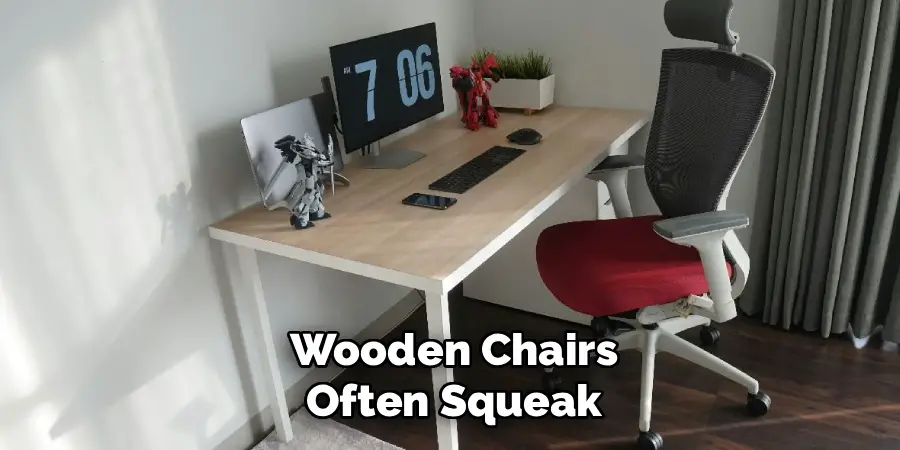
If a joint moves, the wood may be rubbing against itself. For a minor squeak, a small amount of wood-safe wax can help reduce friction. Rub beeswax, candle wax, or paste wax around the joint, then move the chair gently to help it settle in.
If the joint is very loose, wax alone will not fix it. You may need wood glue and clamping.
Step 4: Use Wax On Dry Contact Points
Wax is one of the easiest options for dry wooden contact points. It works well on chair joints, rails, and areas where two wooden surfaces rub together. Choose beeswax, paraffin wax, or a plain white candle.
Rub the wax directly onto the noisy area. If the spot is tight, scrape a little wax with a knife and press the shavings into the gap. Then move the chair gently so the wax spreads between the surfaces.
Wipe away extra wax with a soft cloth. This keeps the chair clean and prevents a slippery buildup on areas you touch often.
Step 5: Apply A Gentle Household Lubricant
Some squeaks come from metal parts, swivel plates, springs, or hinges. In these areas, a light household lubricant can help. You can use sewing machine oil, mineral oil, or a silicone-based lubricant if it is safe for the chair material.
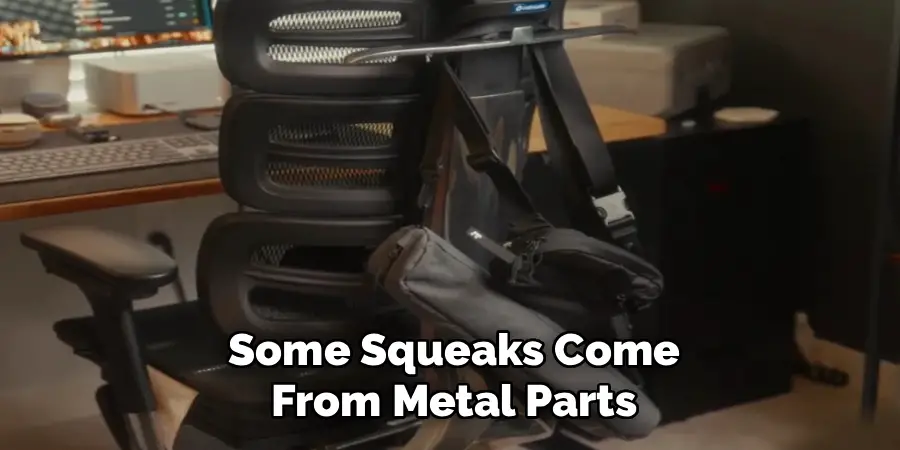
Apply only a small amount to the moving part. Too much oil can drip, attract dust, or stain nearby fabric and wood. Use a cloth to catch any extra liquid.
This is one of the safest answers to how to fix a squeaky chair without wd 40 because it focuses on controlled application. You treat the exact friction point instead of spraying a large area.
Step 6: Tighten Or Repair Loose Wooden Holes
If a screw keeps turning without tightening, the hole may be stripped. This is common in older wooden chairs. Remove the screw and check the hole. If it looks widened, you can fill it to give the screw something firm to grip.
A simple method is to add wood glue and a few wooden toothpicks into the hole. Let the glue dry, then trim the toothpicks flush with the surface. After that, reinstall the screw carefully.
This repair helps the fastener hold tightly again. Once the joint stops shifting, the squeak often disappears and the chair feels more stable.
Step 7: Add Padding Where Parts Rub
Sometimes the squeak does not come from a joint or screw. It may come from surfaces rubbing together, such as a seat cushion against a frame, a plastic foot against the floor, or a metal bracket touching wood.
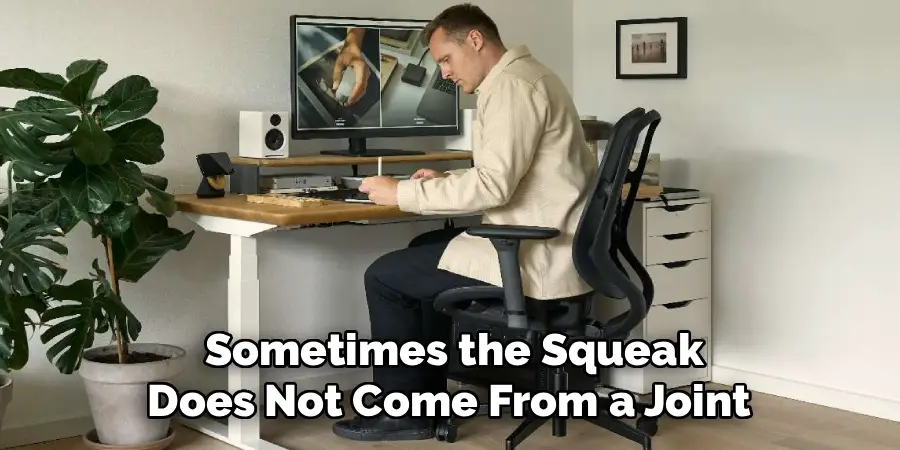
Look for shiny marks, worn spots, or areas where two parts touch closely. These signs often show friction. Add felt pads, rubber washers, thin cork, or fabric tape between the rubbing surfaces.
Keep the padding thin so it does not change the chair’s shape or balance. After adding it, sit down and move gently. If the noise is gone, friction was the cause.
Step 8: Test The Chair And Repeat If Needed
After each repair, test the chair in the same way you did at the start. Sit, lean, twist, and shift your weight slowly. Listen for changes. A squeak may get quieter before it fully disappears, which means you are close to the source.
If the sound remains, return to your inspection. Chairs often have more than one noisy point, especially older ones. Tighten another fastener, add wax to another joint, or check the base again.
Take your time and make small changes. Careful testing helps you avoid over-lubricating, overtightening, or missing a hidden problem.
Frequently Asked Questions
Can I Use Cooking Oil On A Squeaky Chair?
Cooking oil is not the best choice for a squeaky chair. It may work for a short time, but it can become sticky, collect dust, and create a stale smell. On wood or fabric, it may also leave stains. A better option is paste wax for wood or a small amount of mineral oil or sewing machine oil for metal parts.
Why Does My Chair Squeak When I Lean Back?
A chair that squeaks when you lean back usually has movement in the backrest, rear legs, support brackets, or tilt mechanism. The pressure changes when your weight shifts, causing parts to rub or flex. Check screws first, then inspect joints and metal plates. If the chair has a reclining or tilt feature, the moving mechanism may need gentle lubrication.
Is A Squeaky Chair Dangerous To Use?
A squeaky chair is not always dangerous, but it can signal a loose or weakening part. If the chair feels wobbly, tilts unevenly, or has cracked wood or bent metal, stop using it until you inspect it. A simple squeak from friction is usually easy to fix, but structural damage needs proper repair before the chair is safe again.
What Is Best For Squeaky Wooden Chair Joints?
For dry wooden joints, wax is often the best first option. Beeswax, paste wax, or candle wax can reduce friction without soaking the wood. If the joint is loose, use wood glue instead of only adding wax. Glue repairs the connection, while wax only quiets rubbing. Always clean the area and let any glue cure fully before using the chair.
How Long Does It Take To Stop A Chair From Squeaking?
Most basic squeaks can be fixed in 15 to 45 minutes, depending on the cause. Tightening screws may take only a few minutes. Waxing joints, adding padding, or applying light oil also takes little time. Repairs with wood glue take longer because the glue must dry and cure. Testing after each step helps you avoid unnecessary work.
Conclusion
A squeaky chair may seem like a small problem, but fixing it can make your space quieter, more comfortable, and safer. Most noises come from loose fasteners, dry joints, rubbing surfaces, or worn moving parts. When you inspect the chair carefully and use the right fix, the repair is usually simple.
Start with the easiest steps first. Tighten screws, check wooden joints, add wax where surfaces rub, and use gentle lubricant only where it is needed. If a screw hole is stripped or a joint is loose, repair the structure instead of only covering the sound.
Now that you know how to fix a squeaky chair without wd 40, choose one noisy chair and work through the steps slowly. A careful repair can extend the chair’s life and bring back the quiet you want.
