
Clean, well-stocked restrooms are one of the most visible signs of a well-run facility. When supplies run out, dispensers jam, or trash overflows, users notice right away. For facility managers, janitorial supervisors, and operations teams, a dependable daily restroom supply check helps prevent complaints, protects hygiene standards, and keeps maintenance work predictable.
A strong restroom inspection routine does more than confirm that toilet paper and soap are available. It gives your team a repeatable process for checking supplies, testing dispensers, spotting maintenance issues, and recording inventory levels before small problems disrupt the user experience.
Use this guide on how to check restroom supplies daily to build or refine a daily restroom supply check that is simple, consistent, and easy for your team to follow.
What Restroom Supplies Should You Track Daily?
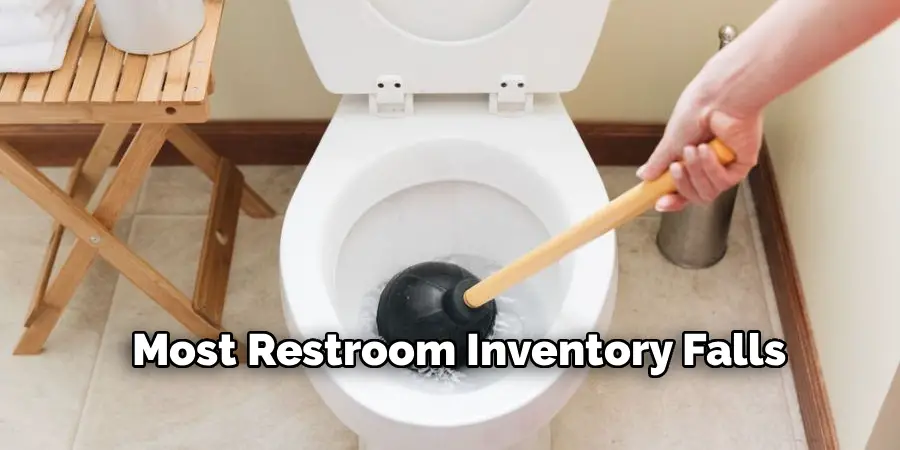
Before creating a checklist, identify the supplies your team must monitor every day. Most restroom inventory falls into a few core categories.
Paper Products
These are often the fastest-moving supplies in any restroom:
- Toilet tissue rolls or jumbo toilet paper
- Paper towels
- Facial tissues, if provided
- Toilet seat covers, if applicable
Because paper products can run out quickly during peak traffic, teams should check both active dispensers and backup rolls during every inspection.
Hand Hygiene Supplies
Hand hygiene items are essential for cleanliness and public health. Daily checks should include:
- Liquid or foam hand soap
- Hand sanitizer
- Specialty hand cleaners in industrial or maintenance areas
- Refill cartridges or bulk soap reservoirs
Soap and sanitizer dispensers should not only be full enough for continued use; they should also dispense properly.
Waste Management Supplies
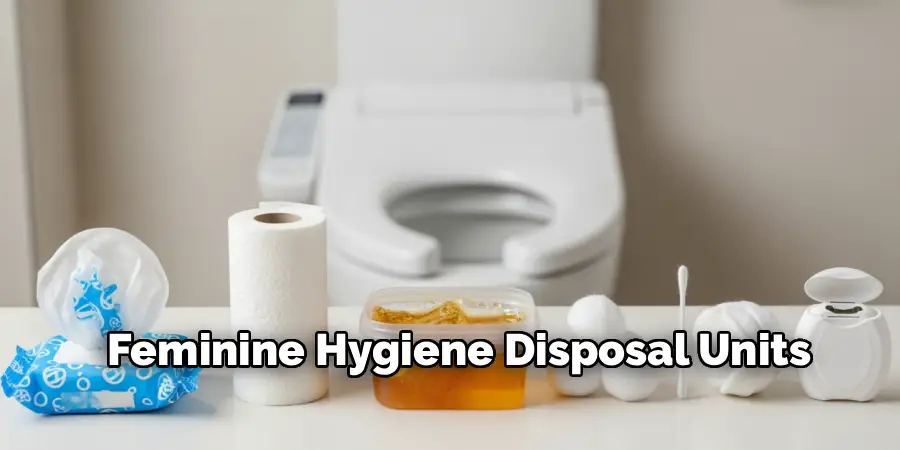
Trash and sanitary waste supplies help maintain cleanliness and odor control. Track:
- Trash can liners
- Sanitary disposal bags or wax liners
- Feminine hygiene disposal units
- Odor control products, if used
Even when a trash receptacle is not completely full, it may need attention before the next busy period.
Specialized Supplies
Depending on your facility, your checklist may also include:
- Baby changing station liners
- Feminine hygiene products
- Lotion, mouthwash, or other courtesy items
- Extra batteries for touchless dispensers
- Disinfectant wipes or surface cleaning supplies
A complete checklist ensures that staff do not overlook items outside the standard paper-soap-trash routine.
How to Build a Reliable Daily Inspection Routine
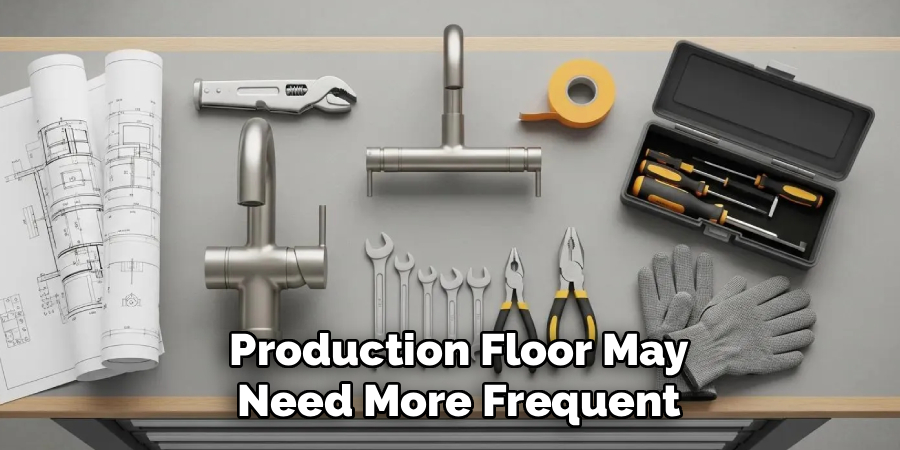
A consistent routine helps your team work faster and reduces the chance of missed tasks. Start by reviewing restroom traffic patterns across your building. A restroom near a lobby, cafeteria, conference center, or production floor may need more frequent checks than one in a low-traffic office area.
For many facilities, inspections should happen:
- Before opening or shift start
- After major traffic periods, such as lunch or large meetings
- Mid-afternoon
- At closing or shift change
High-traffic facilities may need checks every one to two hours.
Standard documentation is also important. Whether your team uses a paper checklist, a clipboard log, or a digital inspection app, every restroom should have the same basic process. A new employee should be able to follow the checklist and complete the inspection with the same level of detail as an experienced team member.
7 Steps on How to Check Restroom Supplies Daily
Step 1: Gather Inspection Tools and Supplies
Before entering the restroom, staff should prepare the supplies and tools needed to complete the inspection without repeated trips to the supply closet.
A stocked maintenance cart may include:
- Toilet paper
- Paper towels
- Soap and sanitizer refills
- Trash liners
- Sanitary disposal liners
- Baby changing station liners
- Disinfectant and cleaning cloths
- Dispenser keys
- Spare batteries for touchless units
- A printed or digital inspection checklist
This preparation saves time, reduces disruptions, and allows staff to restock items immediately when they find a low supply level.
The checklist should guide the employee through every supply point in the room, including stalls, sinks, dispensers, trash cans, changing stations, and specialized units.
Step 2: Check and Restock Paper Products
Paper products are among the most common restroom shortages, so they should receive close attention during every daily check.
Staff should inspect each toilet paper dispenser and confirm that:
- The active roll has enough paper for continued use
- Backup rolls are present and properly positioned
- The dispenser opens, closes, and feeds correctly
- No rolls are wet, damaged, or jammed
As a best practice, replace rolls that are nearly empty before the next peak traffic period. Partial rolls can often be moved to staff-only areas to reduce waste.
Paper towel dispensers should also be opened and checked. Refill them to the recommended level, but avoid overfilling. Too much paper can cause jams, tearing, and user frustration. After restocking, staff should test the dispenser to make sure towels feed smoothly.
Step 3: Check Soap and Sanitizer Levels
Soap and sanitizer stations play a direct role in hygiene and user confidence. During each inspection, staff should check every dispenser, including those near sinks, entrances, exits, break areas, or shared workspaces.
The inspection should confirm that:
- Soap or sanitizer levels are above the minimum refill point
- The correct refill type is being used
- Nozzles are clean and free of dried buildup
- Manual pumps work smoothly
- Touchless sensors respond correctly
- Batteries are still functioning in automatic units
If a soap or sanitizer cartridge is below the quarter mark, it should be replaced or topped off according to the dispenser type. Staff should avoid mixing incompatible products, as this can cause clogs, leaks, or skin irritation.
Testing the dispenser is just as important as checking the level. A full dispenser does not help users if the pump is blocked or the sensor is not working.
Step 4: Empty Trash Receptacles and Replace Liners
Overflowing trash cans create odors, attract pests, and leave a poor impression. During daily supply checks, staff should inspect all waste containers, including those near sinks, stalls, changing stations, and entry areas.
Staff should:
- Empty trash before it reaches capacity
- Tie bags securely before removing them
- Check for leaks or spills inside the bin
- Wipe or disinfect the receptacle as needed
- Replace the liner with the correct size bag
- Make sure the liner fits snugly around the rim
A loose liner can collapse into the can, especially when users throw away wet paper towels. Keeping a few extra liners at the bottom of the receptacle may help speed up future changes, as long as this practice aligns with your facility’s cleaning standards.
Step 5: Inspect Changing Stations and Specialized Supplies
Restrooms with baby-changing stations or specialized supply points need added attention. These areas are easy to overlook, but they are important to users who rely on them.
For baby changing stations, staff should check that:
- The station opens and closes properly
- Hinges and straps are secure
- The surface is clean and undamaged
- Disposable liners are stocked
- Nearby trash receptacles are emptied
Facilities should also inspect sanitary disposal units in stalls. These bins should be emptied regularly, cleaned as needed, and fitted with fresh liners.
If your restroom provides courtesy items such as feminine hygiene products, lotion, mouthwash, or other amenities, confirm that they are fully stocked, neatly arranged, and free of damage or tampering.
Step 6: Test All Dispensers and Mechanical Fixtures
A restroom can appear stocked while still failing users if dispensers or fixtures do not work. Staff should physically test each unit during the daily check.
This includes:
- Manual paper towel levers
- Touchless paper towel sensors
- Soap and sanitizer dispensers
- Automatic faucets
- Flush valves
- Toilet paper dispensers
- Air dryers, if installed
- Sanitary product dispensers
Battery-powered dispensers should be checked for warning lights or weak operation. If a unit flashes a low-battery signal, staff should replace the batteries right away when possible.
Staff should also look for mechanical problems such as sticking handles, loose covers, broken locks, or dispensers that do not close securely. These issues should be corrected immediately or reported through the proper maintenance process.
Step 7: Record Inventory Levels and Report Issues
The final step is documentation. Accurate records help managers understand supply usage, plan purchases, identify waste, and prevent shortages.
Staff should record:
- Which supplies were refilled
- Which dispensers were low
- Any empty or malfunctioning units
- Approximate inventory remaining in storage
- Unusual supply usage
- Maintenance concerns
- Areas that need follow-up cleaning or repair
Maintenance issues should be reported promptly. These may include leaks, broken dispensers, clogged toilets, damaged mirrors, loose fixtures, poor ventilation, or vandalism.
Good documentation turns daily restroom checks into useful operational data. Over time, managers can use this information to adjust staffing, improve purchasing schedules, and identify high-use areas that need more frequent service.
Following these steps on how to check restroom supplies daily can help ensure that your establishment remains in compliance with health and safety regulations.
Common Issues to Look For During Restroom Checks
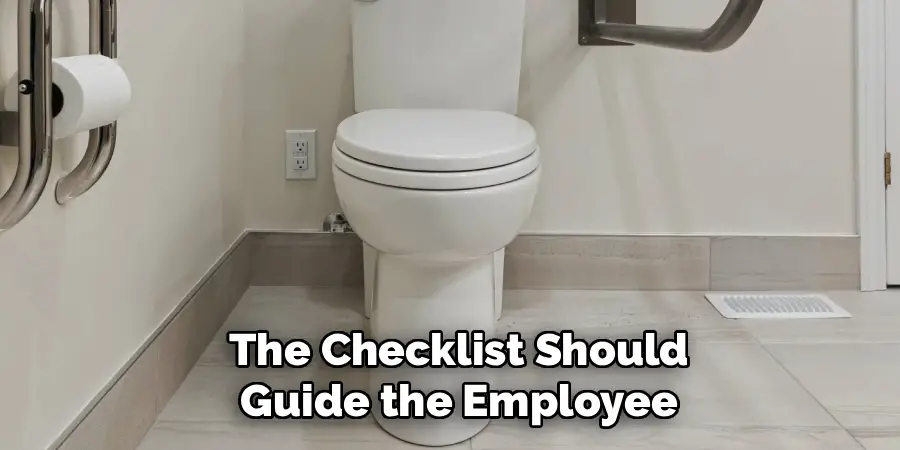
Daily inspections should include more than supply levels. Staff should also watch for signs of maintenance, safety, or sanitation problems.
Common issues include:
- Leaks under sinks or around toilets
- Water on the floor
- Loose toilet seats or stall doors
- Clogged toilets or slow drains
- Broken locks or stall hardware
- Jammed paper towel or toilet paper dispensers
- Empty soap dispensers that appear full from the outside
- Persistent odors
- Graffiti or vandalism
- Damaged baby changing stations
- Overflowing sanitary disposal units
- Flickering lights or poor ventilation
Small issues can become larger problems when they are not addressed quickly. A daily check gives staff a chance to catch them before users complain or safety risks increase.
How to Train Staff for Daily Restroom Supply Checks?
Training is essential for consistency. Every employee should understand not only what to check, but also why the process matters.
Effective training should include:
Hands-On Demonstrations
Show staff how to open dispensers, replace cartridges, load paper towels correctly, change liners, and test touchless equipment. Demonstrations help prevent common errors, such as overfilling dispensers or using the wrong refill type.
Clear Stock Level Standards
Define when items should be refilled. For example, your team may decide that toilet paper should be replaced when it falls below a certain level, or soap should be refilled when it reaches the quarter mark.
Visual Job Aids
Use laminated checklists, cart cards, or posted reference guides to remind employees of key steps. Visual aids are especially useful for new hires or rotating teams.
Shadowing and Follow-Up
Pair new employees with experienced team members for several rounds of inspections. Supervisors should also review completed checklists and spot-check restrooms to confirm standards are being followed.
Safe Handling Procedures
Staff should know how to handle waste, spills, chemicals, and damaged items safely. This includes proper glove use, hand hygiene, and reporting procedures for hazards.
Well-trained teams complete inspections faster, make fewer mistakes, and help maintain a more reliable restroom experience.
Mistakes to Avoid in Restroom Supply Management
Even experienced teams can fall into habits that create avoidable problems. Watch for these common mistakes.
Waiting for Complaints
A reactive approach often means supplies have already run out before staff respond. Scheduled inspections prevent shortages before users notice them.
Overfilling Dispensers
More is not always better. Overfilled paper towel dispensers can jam, tear paper, and waste supplies.
Ignoring Touchless Dispenser Batteries
Automatic dispensers need routine battery checks. A low battery can make a full dispenser unusable.
Skipping Less Obvious Supplies
Changing station liners, sanitary disposal bags, and specialty products are easy to miss. Include them on the checklist.
Failing to Document Usage
Without records, managers cannot see patterns or plan supply orders accurately. This can lead to overstocking, emergency purchases, or recurring shortages.
Using the Wrong Refills
Not all soap, sanitizer, paper, or liner products fit every dispenser. Using incorrect supplies can cause leaks, clogs, and equipment damage.
How to Improve Restroom Management Efficiency?
A good daily checklist creates structure. The next step is improving efficiency so teams can maintain standards with less wasted time.
Use Digital Checklists
Digital forms can help staff complete inspections faster and give supervisors real-time visibility. They also reduce lost paperwork and make it easier to track trends.
Monitor Usage Patterns
Review inspection data to identify high-traffic restrooms, peak refill times, and products that run out fastest. Use this information to adjust cleaning routes and supply levels.
Standardize Products Where Possible
Using the same paper towel, soap, liner, and battery types across multiple restrooms simplifies purchasing and restocking. It also reduces the chance that staff will bring the wrong refill.
Consider High-Capacity Dispensers
High-capacity toilet paper and paper towel dispensers can reduce refill frequency in busy restrooms. They are especially useful in airports, schools, healthcare facilities, stadiums, and large offices.
Evaluate Smart Dispenser Technology
Some facilities benefit from sensor-based dispensers that alert staff when supplies are low. These systems can reduce unnecessary checks and help teams focus on restrooms that need attention.
Organize Supply Closets
A well-organized storage area helps staff restock carts quickly. Label shelves, rotate inventory, and keep minimum stock levels visible.
Efficiency does not mean cutting corners. It means giving your team the tools, information, and process they need to maintain standards with fewer delays.
Conclusion: Make Restroom Supply Checks Consistent and Preventive
A clean, stocked restroom does not happen by chance. It depends on a clear process, trained staff, reliable documentation, and timely restocking.
By following a daily seven-step on how to check restroom supplies daily restroom supply check, facility teams can prevent shortages, reduce complaints, catch maintenance issues early, and create a better experience for every user. Start with a practical checklist, train your team on the details, and use inspection records to improve your schedule over time.
Consistent restroom maintenance protects both your facility’s reputation and the health and comfort of the people who use it.
