
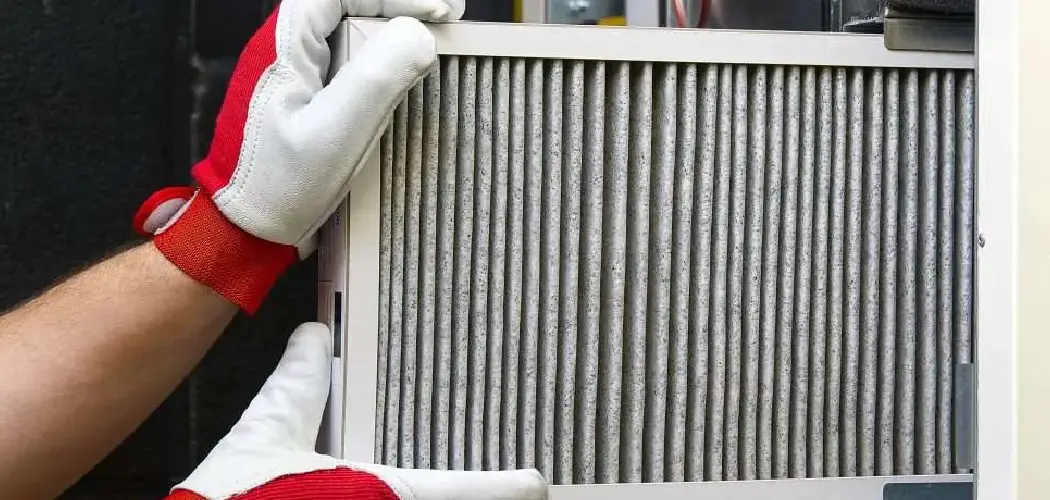
Maintaining fresh office air starts with three practical moves: finding the main sources of indoor pollution, improving everyday ventilation, and using high-efficiency air purifiers where they make sense. From there, a good cleaning routine, a few well-chosen indoor plants, better humidity control, and regular HVAC maintenance can make the workplace feel cleaner and more comfortable.
The payoff is not just a nicer-smelling office. Air quality can affect how people feel during the day. Stale, dusty, or poorly ventilated spaces may contribute to headaches, tiredness, irritated eyes, and lower concentration. Most employees will not describe the issue as “poor indoor air quality.” They will say the room feels stuffy. Or that the afternoon slump hits hard. Or that the office never quite feels clean, even after the cleaners leave.
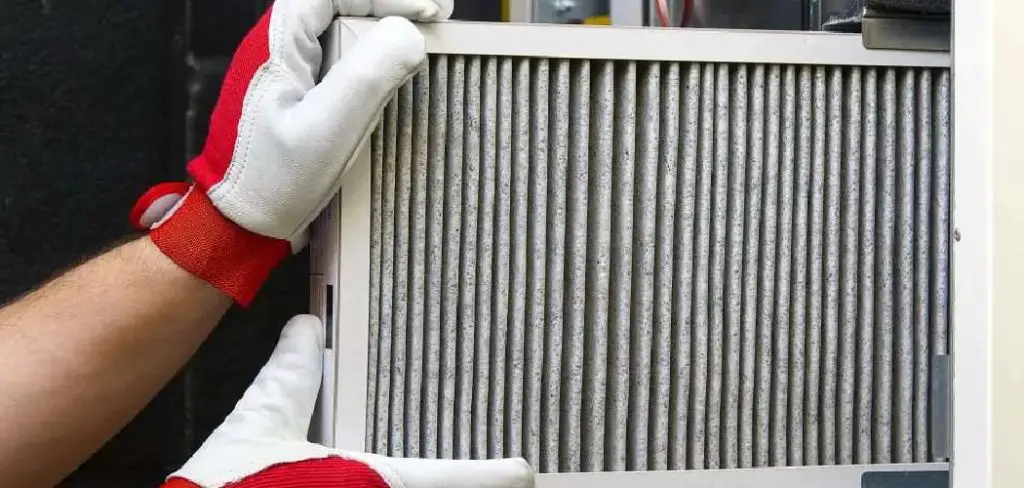
A fresher workplace usually comes from consistent, ordinary habits rather than one dramatic fix. Better airflow, fewer chemical odors, cleaner surfaces, and maintained mechanical systems all work together. When those basics are handled well, the office becomes easier to work in, easier to share, and less draining over a full day. In this guide on how to maintain air freshness in office, we’ll go over some simple daily habits and bigger tasks that will help keep your workplace fresh and inviting.
Understanding Office Air Pollution Sources
Office air pollution rarely comes from one obvious source. More often, it builds up quietly from everyday materials, equipment, and habits.
Furniture, commercial carpeting, adhesives, and some wall paints can release volatile organic compounds, commonly called VOCs, into indoor air over time. The amount varies by product, age, ventilation, and building conditions, but the pattern is familiar in many offices: a room may look clean and still carry a chemical or “new building” smell. That scent is not always harmless, especially in spaces with limited fresh air exchange.
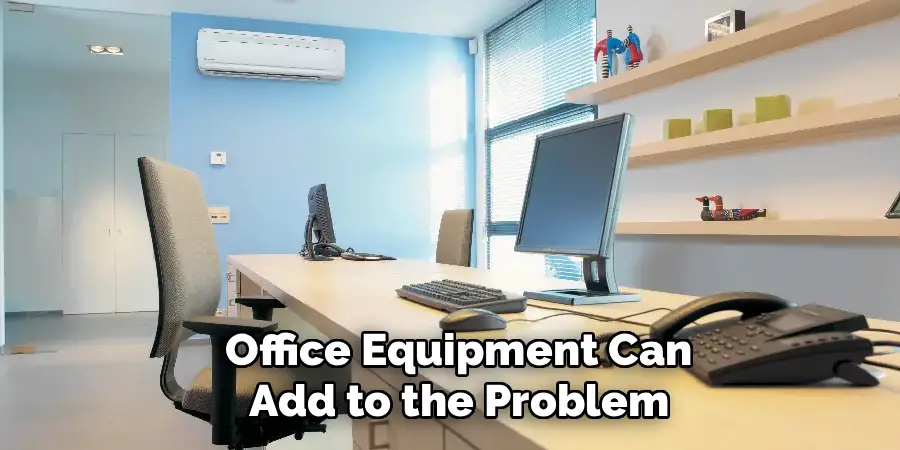
Office equipment can add to the problem. Copiers, laser printers, and other machines may release ozone or fine particles during routine use. This does not mean every printer room is unsafe, but it does suggest that crowded equipment areas deserve better ventilation than they often receive. A printer tucked beside desks in a small, sealed room is not ideal.
People also bring particles into the workplace without meaning to. Dust, pollen, pet dander on clothing, and outdoor debris enter through doors, windows, shoes, bags, and coats. In shared offices, these tiny contributors accumulate fast. Add strong perfumes, scented plug-ins, aerosol sprays, and harsh cleaning products, and the air can become irritating even when no single source seems extreme.
The first step is not to panic. It is to be observed. Where do odors linger? Which rooms feel stuffy? Does the conference room become uncomfortable after long meetings? Does the print area have a noticeable smell? Identifying these patterns helps you choose practical fixes instead of masking the issue with more fragrance.
7 Simple Step-by-step Guidelines on How to Maintain Air Freshness in Office

Step 1: Assess and Upgrade Office Ventilation
Airflow is the backbone of a fresh office. Without enough air movement, pollutants and odors hang around much longer than they should.
Start by looking at how fresh air enters and moves through your office. Some buildings make this easy. Others do not. If your office has windows that open safely, use them during mild weather, especially early in the morning before the space fills up. Even a short period of fresh air exchange can help clear out odors and particles that settled overnight.
In offices where windows do not open, mechanical ventilation becomes more important. Exhaust fans can help remove stale air from conference rooms, restrooms, break areas, and copy rooms. These are often the spaces where air quality declines first because they are either crowded, humid, or filled with equipment.
Carbon dioxide buildup is another issue to watch. High CO₂ levels are often linked with poor ventilation and can make rooms feel heavy or sleepy, especially in the afternoon. Smart indoor air quality monitors may help facility managers spot problem areas in real time. They do not solve the issue by themselves, of course, but they can show when a room needs more outside air, fewer occupants, or better circulation.
If sensors suggest poor airflow, adjust mechanical intake systems where possible so the office receives more fresh outdoor air. The goal is simple: dilute indoor contaminants before they become noticeable. Good ventilation does not need to feel drafty. It should make the office feel breathable.
Step 2: Invest in High-Quality Air Purifiers
Air purifiers can be useful, especially in areas where ventilation is limited or particle levels tend to rise. They are not a substitute for fresh air, but they can provide an added layer of filtration.
Choose commercial-grade units with true HEPA filters. These filters are designed to capture fine particles such as dust, pollen, and other airborne matter. In offices where odors are a concern, activated carbon filters can also help reduce some smells and VOCs, depending on the filter quality and the pollutant involved.
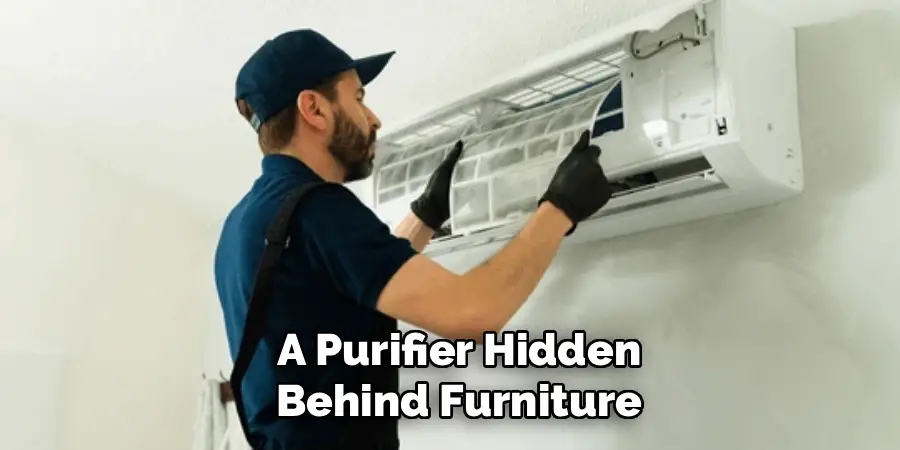
Placement matters. A purifier hidden behind furniture or placed in a corner with blocked airflow will not work as well as one positioned in an open area. Consider using units in reception areas, shared workspaces, printing zones, conference rooms, or other high-traffic locations. Match each purifier’s clean air delivery rate, or CADR, to the size of the room. An underpowered unit in a large open-plan office will do very little beyond making noise.
Maintenance is where many offices fall short. Filters need to be replaced according to the manufacturer’s schedule. If the office is dusty or heavily used, they may need attention sooner. A clogged filter loses efficiency and can strain the unit. In some cases, neglected filters may even allow trapped particles or odors to circulate again.
Air purifiers work best when treated like office equipment, not decorative accessories. Assign responsibility. Track replacement dates. Keep the intake and outlet areas clear. Small habits like these make the difference between a useful filtration system and an expensive fan.
Step 3: Introduce Air-Purifying Indoor Plants
Plants can make an office feel calmer and more pleasant, and some species are often associated with improved indoor air quality. Snake Plant, Peace Lily, Spider Plant, ZZ Plant, and Golden Pothos are common choices because they are relatively hardy and can survive in many office settings.
It is worth being measured here. A few plants will not replace proper ventilation or filtration. Still, they can support a fresher workplace in a modest way while improving the look and feel of the space. Greenery softens hard office interiors. It gives people something living to look at between screens and meeting rooms. That matters more than many facility plans admit.
Place plants where they can thrive without blocking walkways or creating clutter. Desks, bright corners, reception counters, and windowsills may all work, depending on the light level. Avoid placing plants directly beside vents where hot or cold air may dry them out.
Care is essential. Overwatered plants can create new air quality problems, especially if damp soil encourages mold or fungus gnats. Assign someone to check soil moisture, remove dead leaves, and keep pots clean. If no one is responsible, office plants tend to become sad little monuments to good intentions.
When cared for properly, plants can contribute to a more comfortable indoor environment and a less sterile workplace atmosphere. They are not the whole solution. They are a supporting piece.
Step 4: Establish a Strict Cleaning Schedule
Clean surfaces and clean air are closely connected. Dust that sits on desks, shelves, vents, keyboards, and baseboards does not always stay there. It gets disturbed by movement, air conditioning, fans, and daily activity.
A daily cleaning routine should focus on the places where dust gathers and where people spend the most time. Desks, monitors, shared tables, reception counters, and breakroom surfaces deserve regular attention. Damp microfiber cloths are usually better than dry dusters because they trap particles instead of pushing them into the air.
Carpets need special care. They can hold dust, pollen, dirt, and other particles tracked in from outside. Vacuum carpeted areas regularly with machines equipped with HEPA filtration when possible. Standard vacuums may remove visible dirt while sending finer particles back into the room.
Monthly deep cleaning is just as important. Upholstered chairs, fabric partitions, breakroom sofas, and conference room seating can hold dust and allergens. Office kitchens also deserve more scrutiny than they usually get. Refrigerators, microwaves, trash areas, and sink cabinets can produce odors if neglected.
Cleaning should not simply make the office look presentable for visitors. It should reduce the material that ends up in the air. That shift in mindset changes the way teams clean. Baseboards matter. Vents matter. The space behind printers matters. The forgotten corners are often where “stale office smell” begins.
Step 5: Control Humidity and Temperature Levels
Humidity has a quiet but significant effect on office air freshness. Too much moisture can encourage mold and mildew, especially in ceiling tiles, carpets, wall cavities, and poorly ventilated storage areas. Too little moisture can dry out the throat, nose, and eyes, making the air feel harsher than it actually is.
A commonly recommended indoor humidity range is between 30% and 50%. Staying near that range may help improve comfort and reduce conditions that allow mold to spread. Offices in humid climates may need dehumidifiers during warm months, especially in ground-floor spaces, basements, or rooms with poor airflow. In dry winter conditions, humidifiers may help, but they must be cleaned properly. A dirty humidifier can create the very problem it was meant to solve.
Temperature also plays a role. A stable office temperature near 70°F is often comfortable for many workplaces, though preferences will vary. The bigger issue is avoiding extreme swings that lead to condensation. Moisture on windows, exterior walls, or around vents can point to deeper humidity or insulation problems.
Pay attention to musty odors. They are often early warnings. A faint damp smell near a sink cabinet, storage closet, ceiling tile, or carpeted corner should not be ignored. By the time mold becomes visible, the issue may already be harder and more expensive to fix.
Humidity control is not glamorous facility work. But it is one of the most practical ways to keep air from feeling heavy, sour, or irritating.
Step 6: Minimize the Use of Harmful Chemicals
Many offices try to make the air smell “fresh” by adding more scent. That approach often backfires.
Aerosol sprays, plug-in air fresheners, strong disinfectants, floor waxes, glass cleaners, and heavily scented products can release VOCs and other irritants into the air. They may cover odors for a while, but they do not remove the source. In some workplaces, they make the air feel worse, especially for employees with asthma, allergies, migraines, or chemical sensitivities.
A better approach is to reduce unnecessary chemical exposure. Choose low-odor or certified green cleaning products when possible. Fragrance-free options are often a safer choice than products marketed with strong “clean” scents. The smell of lemon or pine is not proof that a surface is clean. It is often just fragrance layered over the room.
This same logic applies to office supplies and maintenance materials. Use low-VOC paints during interior updates. Choose low-odor dry-erase markers for meeting rooms. Avoid synthetic plug-in fresheners that mask deeper problems. If a breakroom smells bad, clean the trash area, sink, refrigerator, and microwave before adding fragrance.
Chemical reduction does not mean lowering hygiene standards. It means cleaning with fewer irritants and less residue. In many offices, the air becomes noticeably fresher once scented products are removed and odor sources are handled directly.
Step 7: Schedule Regular HVAC Maintenance Checks
Your HVAC system has a major influence on how the entire office feels. If it is dirty, poorly calibrated, or overdue for service, the space may feel stuffy no matter how often surfaces are cleaned.
Schedule HVAC inspections with licensed technicians at least twice a year, usually before the main cooling and heating seasons. During these visits, technicians can check system performance, look for leaks, inspect ductwork, clean components as needed, and make sure controls are working properly.
Filters deserve special attention. They are one of the simplest and most important parts of air quality maintenance. Many offices benefit from high-efficiency pleated filters, such as MERV 13 or higher, when the HVAC system can handle them. Before upgrading, confirm that the system is compatible. A filter that is too restrictive for the equipment can reduce airflow and create other problems.
Check filters monthly. Replace them when they are visibly dirty or according to the recommended schedule. In offices near busy roads, construction zones, or industrial areas, filters may become dirty faster than expected.
Neglected HVAC maintenance often shows up in subtle ways: uneven temperatures, dusty vents, stale smells, noisy operation, or rooms that never feel comfortable. These signs are easy to dismiss until employees start complaining. Regular maintenance keeps the system from becoming a hidden source of dust and stale air. Following these steps on how to maintain air freshness in office buildings will ensure a healthy and comfortable environment for employees.
Common Mistakes to Avoid
Many office air quality problems continue because teams treat symptoms instead of causes. The most common example is using chemical air fresheners to cover bad smells. If the office smells musty, sour, dusty, or chemical-heavy, something is producing that odor. Masking it only delays the fix.
Small leaks are another frequent problem. A slow drip under a breakroom sink or near a water cooler may not seem urgent, but damp materials can support mold growth. Even minor moisture issues deserve quick attention.
Sealed windows can also contribute to stale air, especially in older buildings or offices with weak mechanical ventilation. Windows do not need to stay open all day, and in some buildings, they cannot be opened at all. But where natural ventilation is safe and practical, brief fresh-air periods can help.
Ceiling fans are often overlooked. If dust builds up on the blades, turning the fan on simply pushes that dust into the room. The same is true for vents, high shelves, and light fixtures. If air moves across dusty surfaces, people eventually breathe some of that dust.
A final mistake is assuming that air quality is only an HVAC issue. Mechanical systems matter, but daily habits matter too. Cleaning methods, product choices, moisture control, office layout, and equipment placement all affect the air employees share.
Budget-Friendly Air Freshness Tips
Improving office air does not always require a major renovation or expensive mechanical upgrade. Start with the low-cost changes that address the most obvious problems.
Use natural cross-ventilation during mild weather when it is safe to do so. Opening windows or doors on opposite sides of a space for a short period can move stale air out more effectively than opening just one window.
Place small bowls of baking soda or activated charcoal in damp or odor-prone areas, such as storage closets or breakroom cabinets. These will not solve serious moisture or sanitation issues, but they can help absorb mild odors while you address the source.
Create a fragrance-free or low-fragrance workplace policy. This costs nothing and may quickly reduce irritation for employees who are sensitive to perfumes, sprays, and scented plug-ins. Keep the policy respectful and practical. The goal is shared comfort, not personal criticism.
Add inexpensive, low-maintenance plants such as pothos where light conditions allow. Buy from local nurseries or divide existing healthy plants if staff are willing. A few well-kept plants can make the office feel less stale without adding much expense.
Finally, clean smarter before spending more. Dust vents, wash trash bins, vacuum carpets with proper filtration, wipe baseboards, and clean behind printers. These small tasks often reveal that the “air problem” was partly a maintenance problem hiding in plain sight.
Frequently Asked Questions
Q1: What Are the Best Plants for Office Air Quality?
Hardy plants tend to work best in offices because they can survive inconsistent light and watering schedules. Snake Plant, ZZ Plant, Golden Pothos, Spider Plant, and Peace Lily are common choices. They are often used in indoor spaces because they are relatively easy to care for and may help support a fresher environment.
That said, plants should be treated as a supplement, not a replacement for ventilation, cleaning, or filtration. A neglected plant with soggy soil can create odors or mold concerns, so care matters.
Q2: How Often Should Office Air Filters Be Replaced?
Many commercial HVAC filters are replaced about every three months, but the right schedule depends on the building, filter type, system use, and outdoor conditions. Offices near highways, construction areas, or industrial zones may need monthly inspections and more frequent replacement.
A visibly dirty filter should not be ignored. Dirty filters can reduce airflow, strain the HVAC system, and allow indoor air to feel stale or dusty.
Can Poor Air Quality Affect Employee Productivity?
Yes, it can. Poor indoor air quality may contribute to headaches, fatigue, throat irritation, and difficulty concentrating. Stagnant air and high carbon dioxide levels can make meeting rooms and crowded work areas feel especially tiring.
Improved ventilation and cleaner air are often associated with better comfort and sharper focus. Employees may not always connect their symptoms to the building, but they usually notice when a room feels fresher, lighter, and easier to work in.
Next Steps for a Healthier Office Environment
Creating a fresh, breathable office is not a one-time project. It is a routine. The best results usually come from steady attention to ventilation, filtration, cleaning, moisture control, chemical reduction, and HVAC maintenance.
Start with a simple walkthrough this week. Notice which rooms feel stuffy. Check for odors near sinks, carpets, printers, trash areas, and storage closets. Look at vents and filters. Review the cleaning products currently used in the office. Add a few low-maintenance plants if your space can support them, but do not rely on plants alone.
Then build a practical plan. Assign filter checks. Set cleaning expectations. Reduce unnecessary fragrances. Schedule HVAC service before peak heating and cooling seasons. These steps on how to maintain air freshness in office are not complicated, but they do require follow-through.
Fresh office air is easy to overlook until it is missing. Once it improves, people tend to feel the difference quickly. The workplace feels cleaner, calmer, and less tiring. For employees and facility managers alike, that is a worthwhile return on ordinary, consistent care.
