

Suede chairs add a touch of soft, luxurious elegance to any room. Their unique texture is both comfortable and stylish, but it also has a reputation for being difficult to maintain. The thought of a spill or stain on that delicate surface can be intimidating, leading many to believe that professional cleaning is the only option. However, with the right tools and techniques, you can tackle most cleaning jobs yourself. This guide is designed to demystify the process and provide clear, beginner-friendly instructions on how to clean suede chairs, helping you restore their beauty and keep them looking their best for years to come.

Suede chairs bring a touch of elegance and sophistication to any space, but their delicate material requires a bit of extra care. Unlike other upholstery, suede has a unique texture that can be easily damaged by improper cleaning methods. Whether it’s removing a stubborn stain or simply refreshing the surface, understanding the correct approach can make all the difference. With a little patience and attention to detail, you can keep your suede chairs looking as luxurious as the day you brought them home.
Importance of Proper Suede Care
Proper suede care is essential not only for maintaining the aesthetic appeal of your furniture but also for extending its lifespan. Suede is a highly sensitive material that can easily lose its softness and color if exposed to harsh elements or improper cleaning solutions. Regular maintenance, such as gentle brushing to remove dust and dirt, helps preserve its natural texture and prevents it from wearing down prematurely. Additionally, addressing spills and stains immediately minimizes the risk of permanent damage. By prioritizing proper care, you can ensure your suede furniture remains a timeless centerpiece in your home.
Step-by-Step Guide on How to Clean Suede Chairs
Step 1: Identify Your Suede
Before you begin, it’s essential to know what you’re working with. Check the chair for a manufacturer’s tag, which will provide crucial cleaning codes. “W” means you can use water-based cleaners, “S” means to use a solvent-based cleaner only, “S/W” means either is safe, and “X” means you should only vacuum or brush it. If there is no tag, it is safest to assume it is S-code and avoid water. This initial step is the most important for preventing damage, as using the wrong cleaning agent can lead to permanent water spots or discoloration.
Step 2: Gather Your Cleaning Tools
For a successful cleaning, you’ll need a few specific items. The most important tool is a suede brush, which has bristles designed to lift the nap without causing damage. You will also need a clean pencil eraser or a dedicated suede eraser for tackling small, dried-on spots. For liquid stains, cornstarch or talcum powder is excellent for absorption. You’ll also want a few clean, dry cloths. If your chair is safe for it, white vinegar or rubbing alcohol can be used for tougher stains. Having all your tools ready will make the process much smoother.

Step 3: Dry Brushing
Start every cleaning session with a thorough dry brushing. Take your suede brush and gently go over the entire surface of the chair. Use light, back-and-forth strokes to lift away loose dirt, dust, and debris that has settled into the fibers. This process also helps to revive the nap—the soft, fuzzy texture that gives suede its character. Regular brushing is a great preventative maintenance habit, as it stops surface-level dirt from becoming ground-in and harder to remove later. Always brush in multiple directions to ensure you are lifting the fibers evenly across the chair.
Step 4: Address Dry Stains and Scuffs
For minor scuffs or dried-on dirt marks that brushing didn’t remove, your next tool is an eraser. A simple, clean pencil eraser can work wonders. Gently rub the eraser over the affected area as if you were erasing a pencil mark. The friction will help lift the stain out of the suede fibers. For more stubborn marks, a specially designed suede eraser may be more effective. After you have rubbed the spot out, use your suede brush to go over the area again to restore the texture of the nap and blend the spot back in.

Step 5: Treat Liquid Stains
When a liquid spill happens, you must act quickly. Immediately blot the spill with a clean, dry cloth to absorb as much of the liquid as possible. Do not rub, as this will push the stain deeper into the material. If a greasy or oily stain remains, generously sprinkle cornstarch or talcum powder over the area. Let it sit for at least an hour, or even overnight, to draw the oil out of the suede. Afterward, you can vacuum or brush the powder away. This simple trick can prevent a permanent stain from setting.
Step 6: Use a Liquid Cleaner (If Safe)
If you have a persistent stain and your chair’s care tag allows it (codes W or S/W), you can use a liquid cleaning solution. For water-safe suede, a mixture of equal parts white vinegar and water is effective. For solvent-only suede (S-code), rubbing alcohol is the correct choice. Lightly dampen a clean cloth with your chosen solution—do not saturate it. Gently dab at the stain, working from the outside in. Avoid scrubbing. Allow the area to dry completely before assessing the results. The spot may look dark while wet.

Step 7: Restore the Nap After Cleaning
After any spot treatment, especially one involving liquid, the nap of the suede will likely look flat or feel stiff once it dries. This is normal. To fix this, you must bring the texture back to life. Take your suede brush and vigorously brush the treated area. Use circular motions and back-and-forth strokes to lift the fibers and restore that signature soft, velvety feel. This final step is what makes the cleaning look seamless, blending the cleaned spot perfectly with the rest of the chair’s surface.
Common Suede Cleaning Mistakes
When cleaning suede, there are several common mistakes that can compromise the material’s integrity and appearance. One major error is using too much water or soaking the suede, which can cause lasting damage, such as discoloration or water stains. Another frequent mistake is applying harsh cleaners or household products not specifically designed for suede, as these can strip the natural oils and ruin the texture. Additionally, skipping the use of a dedicated suede brush can leave the surface matted or uneven after cleaning. It’s also critical to avoid using heat to dry suede, as this can cause shrinkage or stiffening. Taking the time to use proper tools and techniques ensures suede remains clean and maintains its soft, luxurious finish.
Frequently Asked Questions (FAQ)
What Is the Best Thing to Clean Suede With?
The best tools for routine suede care are a suede brush and a suede eraser. For stains, the “best” cleaner depends on the stain type and your chair’s cleaning code.
- For dry stains: A suede eraser is your best friend.
- For fresh liquid stains: A dry cloth followed by cornstarch is highly effective.
- For set-in stains: White vinegar (for W-code) or rubbing alcohol (for S-code) are excellent choices.
Can You Use Water to Clean a Suede Chair?
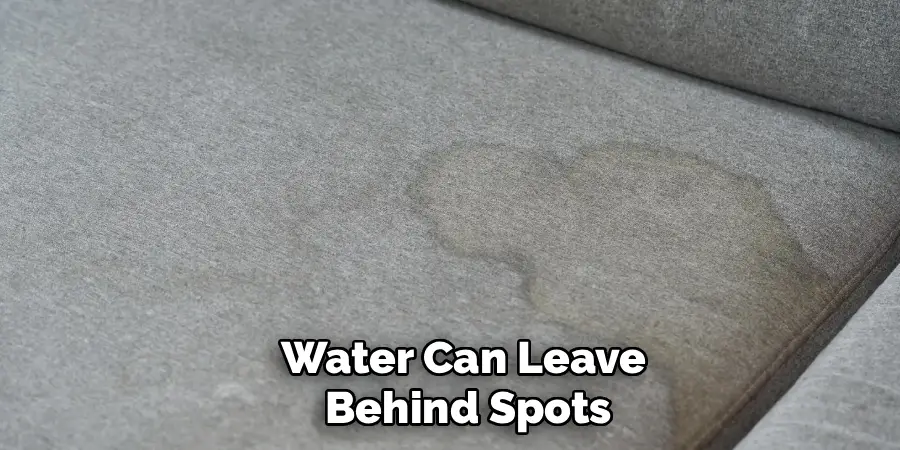
It depends entirely on the chair’s cleaning code. If the tag says “W” or “S/W,” you can use water-based solutions sparingly. However, if the tag says “S” or “X,” you must not use water. Water can leave behind spots and permanently alter the texture of solvent-only suede. When in doubt, it is always safest to avoid water and stick to dry cleaning methods or solvent-based cleaners.
How Do You Get a Water Stain Out of Suede?
Ironically, the best way to remove a water stain is with a little more water. Lightly dampen a clean cloth or sponge with plain water and gently blot the entire panel or cushion where the stain is located, from seam to seam. This evens out the color so that as it dries, the original spot will blend in. Allow it to air dry completely, away from direct heat or sunlight. Once dry, use a suede brush to restore the nap.
What Is the Difference Between Suede and Microsuede?
Suede is a natural material made from the underside of animal leather, making it delicate and porous. Microsuede, on the other hand, is a synthetic polyester fabric designed to look and feel like real suede. The major difference is durability and cleaning. Microsuede is highly resistant to stains and can typically be cleaned easily with soap and water, whereas real suede requires much more specific care.
Can I Use a Regular Brush on Suede?
It is not recommended. A regular brush with stiff plastic or natural bristles can be too harsh for the delicate surface of suede. It can scratch the material or pull out the fine fibers that create its soft texture. A suede brush is specifically designed with either soft brass or nylon bristles that are effective at cleaning and lifting the nap without causing damage.
Conclusion
Cleaning suede furniture doesn’t have to be a source of anxiety. With a basic understanding of the material and a few simple tools, you can confidently handle everything from routine upkeep to tackling unexpected stains. The keys to success are to act quickly on spills, always check the care tag before using liquids, and finish every cleaning by brushing the nap to restore its texture. By following the steps outlined in this guide, you now know how to clean suede chairs effectively, ensuring your beautiful furniture remains a centerpiece in your home for years to come.
