

To count and restock pens weekly, start with your inventory sheet, a clipboard, and a few sorting bins. Count the pens you already have by type, ink color, and point size. Update your records right away, compare the count with your usual weekly use, then order only what you need. When the new pens arrive, verify the shipment and store them neatly so staff can find them without digging through the supply closet.

Pens are small enough to disappear quietly and common enough that people only notice them when none are available. That is what makes them tricky. A supply cabinet can look full at a glance, yet still be missing the exact item someone needs before a meeting: black gel pens, blue ballpoints, red pens for markup, or a specific marker used for training sessions.
A weekly routine keeps this from becoming a minor office irritation that repeats itself. It does not need to be elaborate. The goal is simply to replace guesswork with a short, consistent process that helps you track what is on hand, what is being used, and what needs to be reordered before shelves run low. In this guide on how to count and restock pens weekly, we will cover the simple steps to help you maintain a well-stocked supply of pens for your office or personal use.
Materials You’ll Need
Before you open the supply cabinet, gather the tools that will make the count easier. This is a small step, but it prevents the stop-and-start rhythm that often leads to missed items.
You’ll need:
- An updated printed or digital inventory tracking sheet
- A clipboard and a working pen for quick notes
- Small bins, trays, or dividers for sorting pen types
- A calculator or spreadsheet formula for restock totals
- Access to your approved vendor or purchasing system
- Labels or a marker for dating newly received stock
If your office uses several brands or point sizes, make sure your tracking sheet reflects that level of detail. “Pens” is too broad for useful inventory work. “Black gel, 0.7 mm” tells you something you can act on.
8 Simple Steps on How to Count and Restock Pens Weekly
A good weekly pen count follows the same order each time: prepare, sort, count, record, calculate, order, receive, and store. The routine may feel basic, but that is part of its value. Simple systems are easier to repeat.
Step 1: Gather Your Inventory Tracking Materials
Start by pulling last week’s tracking sheet or opening your current inventory file. If you use purchasing software, have it ready before you enter the supply area. You want the previous count, recent orders, and current minimum stock levels in front of you.

This gives the count some context. For example, if you counted 80 blue ballpoints last week and only 25 remain, that may be normal for your office—or it may point to a department event, a training session, or a cabinet that was left open for general use.
Your tracking sheet should include:
- Pen brand or product name
- Ink color
- Point size
- Style, such as ballpoint, gel, rollerball, marker, or highlighter
- Current quantity
- Minimum quantity to keep on hand
- Quantity to reorder
The more specific your categories are, the less you have to rely on memory later. That matters when several pen types look similar in a crowded drawer.
Summary: Begin with the right records. A clear tracking sheet turns the count into a practical task instead of a rough estimate.
Step 2: Sort the Current Pen Supply by Category
Next, sort the pens into clear groups. Put blue ballpoint pens together. Separate black gel pens from black ballpoints. Keep red pens, markers, and highlighters in their own sections.
This step may feel fussy at first, especially if you are dealing with loose pens. Still, it saves time once you begin counting. It also reduces the chance of counting the same box twice or missing a half-full tray tucked behind another supply.
A useful sorting pattern might look like this:
- Blue ballpoint pens
- Black ballpoint pens
- Black gel pens
- Red pens
- Permanent markers
- Dry-erase markers
- Highlighters
- Specialty pens used by specific teams
Sorting also gives you a quick look at how the supply area is functioning. If loose pens are scattered across several shelves, the issue may not be usage. It may be storage.
Summary: Sorting creates order before the count begins. It also shows which areas of the cabinet need better labels or containers.
Step 3: Conduct the Physical Pen Count
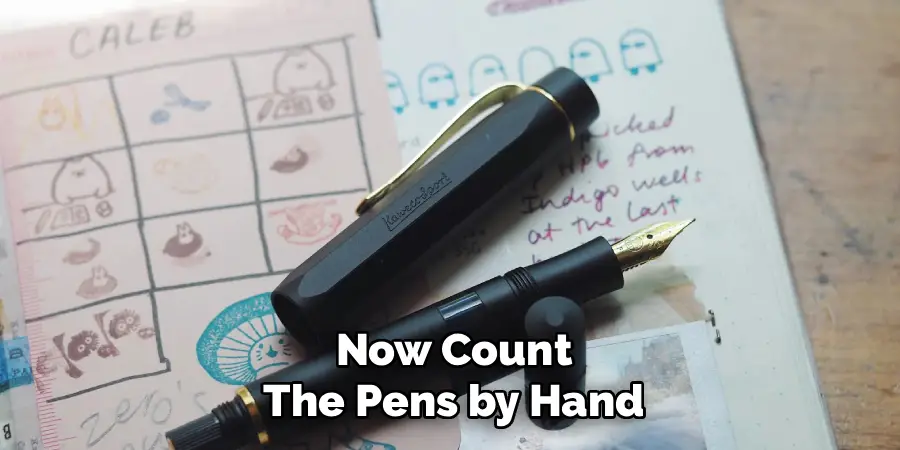
Now count the pens by hand. Start at one point in the cabinet—often the top shelf or left side—and move in one direction. This keeps you from circling back and second-guessing yourself.
Count loose pens first, then unopened boxes. If a box has been opened, check inside rather than assuming it is full. Empty or nearly empty boxes often sit on shelves longer than they should, especially in shared supply rooms.
As you count, pay attention to the condition. A pen that is dried out, leaking, cracked, or missing a cap should not be counted as usable stock. For loose pens, it may help to test a small sample, particularly if they have been sitting for a while.
Write down the verified count immediately. Waiting until the end invites small errors, especially when you are moving between colors, brands, and point sizes.
Summary: A physical count is more reliable than a visual scan. Touch the stock, check open boxes, and remove pens that are no longer usable.
Step 4: Record the Data in Your Inventory System
Once the count is complete, transfer the numbers into your main tracking system. Do this soon after the physical count, while the details are still fresh.
Whether you use a spreadsheet or office inventory software, enter the quantity for each category exactly as counted. Avoid rounding unless your system specifically requires it. Five missing pens may not seem worth noting, but small gaps can become patterns over time.
Compare the new totals with last week’s figures. If one item dropped far more than usual, make a note. For instance, a sudden decline in black gel pens might be tied to a client presentation, a department workshop, or a supply drawer being moved to a more visible location.
These notes do not need to be lengthy. A short comment, such as “training session held Tuesday” or “new hire packets prepared,” can explain a usage spike when you review the records later.
Summary: Record counts quickly and compare them with recent history. The notes often matter as much as the numbers.
Step 5: Calculate Weekly Restock Needs
To calculate restock needs, compare your current count with the minimum quantity your office wants to keep on hand. That minimum is sometimes called a par level or baseline stock level.
Here is a simple formula:
Restock quantity = desired minimum stock − current usable stock + expected extra need
For example, say your office wants at least 50 blue ballpoint pens available each week. Your count shows 20 usable pens. At minimum, you need to order 30. If a large onboarding session is scheduled for the following week, you may add a small extra amount.
This is where some judgment helps. Ordering only the exact difference can work in a stable office. But if usage changes from week to week, a modest buffer may prevent an awkward shortage. On the other hand, too much buffer creates clutter and ties up supply budget in items that may sit unused.
Consider upcoming needs such as:
- New employee onboarding
- Staff training sessions
- Client meetings
- Conferences or off-site events
- Seasonal increases in paperwork
- Department moves or desk resets
Summary: Restock based on current count, minimum stock, and known upcoming demand. The point is to avoid both empty bins and overfilled shelves.

Step 6: Place Orders with Approved Vendors
After you calculate what is needed, place the order through your approved purchasing channel. Use the exact product details from your inventory sheet, especially if staff prefer a certain brand, ink color, or point size.
Before submitting the order, double-check:
- Product codes
- Package quantities
- Ink color
- Point size
- Delivery address
- Estimated delivery date
- Any approval requirements
It may also make sense to combine the pen order with other office supplies, if your purchasing process allows it. That can reduce separate deliveries and may help meet vendor order minimums. Still, avoid adding supplies simply because they are easy to include. The count should guide the order.
Save the order confirmation and update your tracking sheet to show that the items are in transit. This is a small administrative habit that can prevent duplicate orders, especially when more than one person helps manage supplies.
Summary: Order from the count, not from habit. Confirm product details and record the order so the team knows what is already on the way.
Step 7: Receive and Verify the New Inventory
When the shipment arrives, open it and compare the contents with the packing slip or purchase confirmation. Do this before storing the pens. Once items are mixed into the cabinet, it becomes much harder to spot a short shipment or wrong product.
Check for:
- Correct item type
- Correct ink color
- Correct point size
- Correct quantity
- Damaged packaging
- Leaking or defective pens
If something is missing or incorrect, report it through your normal vendor process as soon as possible. Delays can make returns or corrections more difficult, and they may leave your count inaccurate.
After verification, update your inventory system to show the newly received stock. If you track receiving dates, mark the date on the outside of bulk boxes. This helps with rotation and makes future counts easier.
Summary: Verify shipments before putting anything away. Receiving is part of inventory control, not a separate afterthought.
Step 8: Organize and Store the Restocked Pens
Finally, place the new pens in their assigned locations. Use a simple “first in, first out” approach: put newer boxes behind older boxes so older stock gets used first.
Pens usually store best when kept in their original packaging until needed. Loose pens can go in clearly labeled bins or trays. Keep labels visible from the front of the shelf so staff do not have to pull everything apart to find one item.
A tidy supply area makes daily use easier. It also makes next week’s count faster. If employees can see where items belong, they are more likely to return unused supplies to the right place.
Good storage habits include:
- Keeping similar items together
- Labeling bins by color and style
- Storing pens horizontally when practical
- Keeping stock away from heat and direct sunlight
- Placing frequently used items at eye level
- Keeping bulk boxes behind active-use bins
Summary: Restocking is not finished until the pens are stored clearly. A neat cabinet protects the accuracy of next week’s count.
Following these steps on how to count and restock pens weekly ensures that the office has an organized and efficient system for pen usage.
Common Mistakes to Avoid When Restocking Pens
Even a simple supply routine can go off track. Most mistakes come from moving too quickly or relying on what the cabinet appears to contain.
Counting Boxes Instead of Usable Pens
A full-looking shelf can be misleading. Opened boxes may contain only a few pens, and some loose pens may no longer work. Count usable pens, not packaging.
Ignoring Ink Color and Pen Type
If you track all pens as one category, your records will not show what people actually need. You may have 100 pens total and still be out of blue ballpoints.
Forgetting to Remove Broken or Dried-Out Pens
Unusable pens inflate your inventory. Remove them during the count so the recorded number reflects what staff can actually use.
Ordering Without Checking Upcoming Needs
A normal weekly order may not be enough before onboarding, training, or a large meeting. Check the calendar before finalizing quantities.
Skipping Order and Delivery Notes
If you do not mark what has been ordered or received, someone else may place a duplicate order. Or worse, the team may assume supplies are coming when they are not.
Summary: Most pen inventory problems are small at first. Clear categories, real counts, and timely notes keep them from becoming recurring shortages.

Streamlining Your Weekly Office Supply Routine
Counting and restocking office pens weekly should not become a complicated chore. A steady routine does most of the work: prepare your sheet, sort the stock, count what is usable, update the records, order what is needed, and store new supplies in the right place.
The benefit is practical. Staff can find the pens they need, purchasing stays more predictable, and the supply closet stops becoming a place where small problems pile up. This week, start with one clean inventory sheet and one focused count. Once the system is in place, maintaining it becomes much easier. Thanks for reading this guide on how to count and restock pens weekly.
