
Living with hemorrhoids can make sitting a source of daily discomfort, but a supportive pillow can offer meaningful relief. If you’re hoping to avoid expensive specialty cushions, you can learn how to make a hemorrhoid pillow at home with simple materials and straightforward steps. This guide provides step-by-step instructions—whether you have sewing experience or prefer a no-sew approach—so you can create a supportive, practical pillow tailored to your needs.
Important Medical Disclaimer
This guide is for informational purposes only and is intended to provide comfort and support suggestions. Making or using a hemorrhoid pillow is not a substitute for professional medical advice. Always consult your healthcare provider if your symptoms persist, worsen, or cause significant discomfort. A hemorrhoid pillow can help alleviate pressure and enhance comfort, but it should be used as one part of a broader plan for treating and managing symptoms.
When to Consult a Healthcare Provider
If you experience severe or persistent pain, excessive bleeding, or other unusual symptoms, it’s crucial to seek medical advice. Delaying a professional diagnosis or treatment could lead to complications. Don’t rely solely on home remedies for relief—your healthcare provider can recommend the most effective treatment options.
The Role of a Hemorrhoid Pillow
A hemorrhoid pillow can be a helpful tool to reduce pressure and increase comfort during daily activities. While it offers temporary relief, it is not a cure or a replacement for other treatments. Pair your pillow with proper care techniques, like a balanced diet, adequate hydration, and gentle exercise, for the best results.
Why a Hemorrhoid Pillow Helps
Relieves Pressure on Sensitive Areas
Hemorrhoid pillows, commonly designed in a ring or doughnut shape, provide relief by lifting the affected area away from the seat. This reduces direct pressure on inflamed tissue, helping to alleviate pain, minimize swelling, and prevent further irritation—especially during extended sitting periods.
Supports Better Posture
A well-crafted hemorrhoid pillow encourages better posture and spinal alignment. Promoting an upright sitting position and evenly distributing body weight improves comfort and circulation. Proper posture not only aids in healing but also reduces the risk of further issues caused by prolonged sitting.

Picking the Right Materials
Choosing Filling for Comfort and Support
High-density foam offers strong, lasting support and is the most common filling. For more customized comfort, memory foam contours to your body, while buckwheat hulls provide firmness and breathability. If you need portability, an inflatable pillow is lightweight and travel-friendly.
Selecting a Skin-Friendly Cover
Opt for soft, breathable materials for the pillow’s outer layer, like cotton, flannel, or plush fabrics. These minimize skin irritation and are easy to wash—vital if you’ll use your pillow regularly.
Designing the Pillow: Shape, Size, and Features
Finding the Best Shape and Dimensions
The most familiar style is a round, doughnut-shaped pillow, usually 15 to 18 inches in diameter with a 4–6 inch center opening. Measure your seat and body to adjust the size as needed. You can trace a large plate for the outer circle and a smaller bowl or pan for the center void.
Considering Portability
Will you mostly use the pillow at home, at work, or while traveling? Decide if you need a compact design or an option, such as an inflatable version, that you can easily pack and carry.
Step-by-Step: How to Make a Hemorrhoid Pillow
Step 1: Preparing Your Fabric and Pattern
Fold your chosen fabric in half. Using your templates, trace both the outer and inner circles onto the doubled fabric, then cut two identical pieces. Mark where you’ll leave the opening for turning and filling.
Step 2: Sewing the Pillow Together
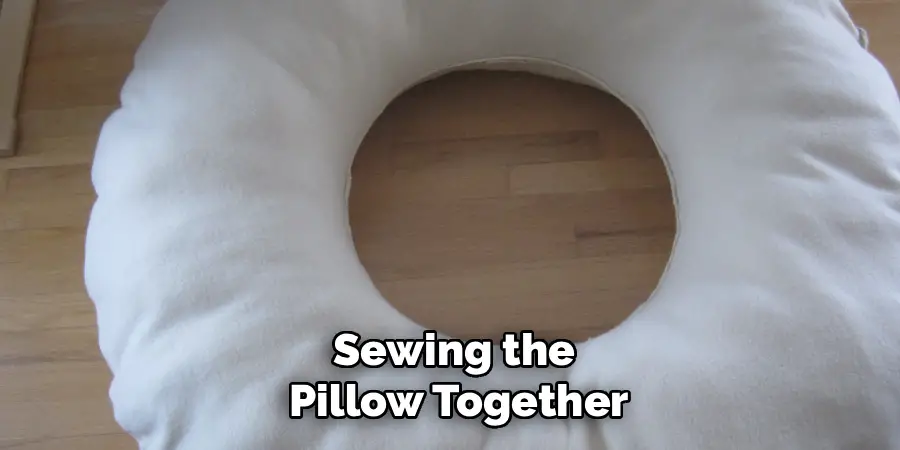
Place pieces right sides together. Sew around both the outer edge and the inner opening, leaving a gap on the outer edge. Reverse the fabric through the gap to turn it right side out.
Step 3: Stuffing and Closing
Fill with your chosen material, distributing it evenly so the pillow is supportive but not overstuffed. Close the opening neatly with small, strong stitches to prevent spillage and maintain shape.
Step 4: Adding Finishing Touches
If desired, add buttons, embroidery, or other decorations to personalize your pillow. You can also choose to add a zipper or snaps for easy removal and washing of the cover.
Step 5: Enjoy Your Homemade Throw Pillow!
Your custom throw pillow is now complete! Place it on your couch, bed, or favorite chair for added comfort and style. Don’t be afraid to experiment with different fabrics, shapes, and sizes to create unique pillows that reflect your personal taste and home decor.
No-Sew Alternatives
Modifying Existing Cushions
Transform a standard foam seat cushion into something more functional by cutting a hole in the center and covering it with a soft, washable cloth. This modification provides a quick and effective DIY solution, especially useful if you don’t have sewing supplies on hand. It’s a simple way to repurpose what you already have for added comfort and practicality.
Repurposing a Travel or Neck Pillow
A U-shaped neck pillow can be creatively repurposed for various uses. Position it with the opening at the back of your chair to offer targeted support and relief. This option is not only convenient but also portable, making it easy to carry and use wherever needed.
Care and Maintenance: Keeping Your Pillow Clean
Make or Buy a Removable Cover
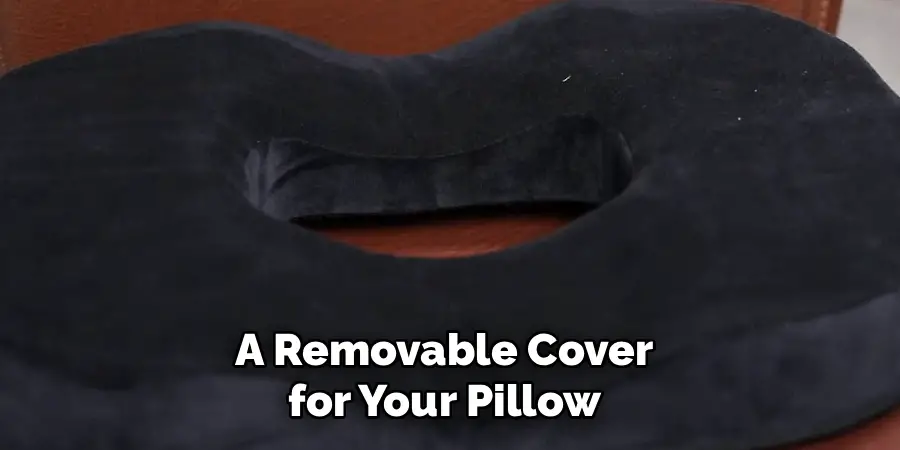
Investing in a removable cover for your pillow can make care and maintenance much easier. An envelope-style cover or one with a zipper works particularly well, as it can be easily removed and replaced as needed.
Regular Cleaning for Hygiene
Wash the removable cover frequently to keep it fresh and to prevent skin irritation caused by dirt, sweat, or oils. If your pillow itself is washable, ensure the filling and fabric are cleaned according to the manufacturer’s guidelines. Periodic cleaning of the entire pillow helps maintain hygiene and extends its lifespan.
Maximizing Comfort: Posture and Ergonomic Tips
How to Sit for Best Results
To achieve optimal comfort and promote healing, start by sitting with both feet flat on the floor and avoiding leg crossing, which can hinder proper blood flow. Adjust your seating position as needed and stand up periodically to relieve pressure on sensitive areas. Incorporating these habits alongside the use of an ergonomic pillow can significantly enhance your overall sitting experience.
Additional Wellness Steps
Your pillow is just one component of a comprehensive comfort and recovery plan. To further support your wellness, make sure to stay hydrated, take frequent short walks, and perform gentle stretches. These small, consistent actions can help maintain healthy circulation and contribute to faster healing and improved overall well-being.
Pitfalls to Avoid
Incorrect Size or Overfilling
One common mistake is creating a center hole that is too small, as this compromises the crucial pressure relief the pillow should provide. Additionally, overstuffing the pillow or making it overly thick can lead to unnecessary strain on your back or hips, negating the intended ergonomic benefits. Always aim for a balanced size and density for optimal comfort.
Using Irritating Materials
Selecting the wrong materials for your pillow can cause discomfort and irritation. Always opt for soft, non-abrasive fabrics, and ensure that all seams are smooth and securely stitched. This will minimize the risk of skin chafing and prevent potential issues like leaks, ensuring a more comfortable and long-lasting pillow.
Frequently Asked Questions
What Is a Donut Pillow Used For?
A donut pillow is designed to relieve pressure on sensitive areas, particularly the tailbone, hips, or lower back. It is commonly used by individuals recovering from surgery, experiencing hemorrhoids, or dealing with prolonged sitting discomfort.
How Do I Choose the Right Size?
Choosing the right size involves measuring your body and ensuring the pillow accommodates your weight comfortably. The center hole should be appropriately sized to provide effective pressure relief without causing additional discomfort.
Can I Wash a Donut Pillow?
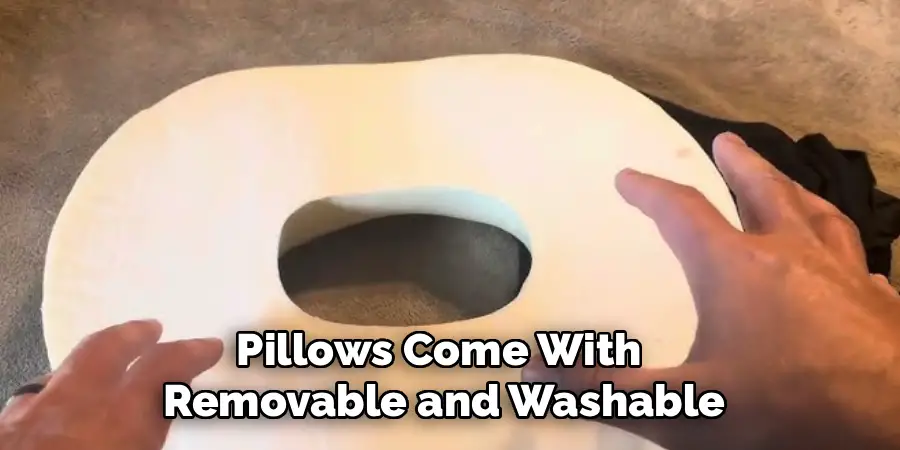
Many donut pillows come with removable and washable covers for easy maintenance. Always check the manufacturer’s instructions to determine if the pillow itself or its cover is machine washable.
Are Donut Pillows Suitable for Everyone?
While donut pillows provide relief for many, they might not be suitable for individuals with specific medical conditions. It is advisable to consult a healthcare professional for guidance based on your particular needs.
How Long Can I Use a Donut Pillow at a Time?
Usage limits vary depending on personal comfort and the materials of the pillow. Ideally, take regular breaks to stretch and move every hour to promote healthy circulation.
Conclusion
When you discover how to make a hemorrhoid pillow, you gain a practical, affordable strategy for easing daily discomfort. With a homemade cushion customized for your body and lifestyle, you can sit more comfortably and support your overall well-being. Combine your new pillow with healthy movement, proper posture, and regular medical check-ins as needed for the most effective relief from hemorrhoid discomfort. Thoughtful DIY care can make a real difference—and help you reclaim comfort and confidence in your daily routine.
